Showing posts with label Energy. Show all posts

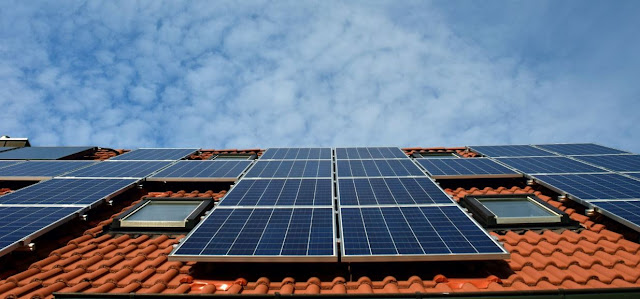
The Advantages Of Using Solar Energy For Homeowners

advantages using solar energy homeowner panels

Key Points to Consider:

  • One energy source that may be advantageous for homeowners is solar energy.
  • Installing panels can lead to a reduction in utility costs.
  • There are perks for individuals who opt for energy solutions.
  • The installation of power systems may increase the value of a property.
  • Ongoing advancements in technology are enhancing the efficiency of panels.

Introduction to Solar Energy

With the rising costs of electricity and an increasing focus on sustainability many homeowners are exploring the benefits of power. This eco-friendly energy source provides an alternative to power sources by enabling electricity generation. Several solar panel companies in Utah are leading the way in making solar power accessible at a price. The shift towards energy is driven by factors such as reducing carbon footprints and potential savings on utility bills. The advantages of using energy become more evident with each advancement. Apart from being advantageous for homes, solar power systems also support initiatives meant to lower greenhouse gas emissions and advance the future.


Cost Savings on Utility Bills

One significant advantage of installing panels is the savings on utility expenses that homeowners can enjoy. By harnessing sunlight, households can make reductions in their energy bills. The U.S. Department of Energy research indicates that solar power systems could save homeowners around $1,000 leading to long-term cost savings and allowing for the recovery of the investment within a ten year period. Many electric companies provide metering programs that enable homeowners to sell power generated by their panels back to the grid especially it is advantageous in sunny regions for optimizing system efficiency. Using energy plays a role in reducing air pollution and greenhouse gas emissions aligning with findings from the production of energy can reduce carbon dioxide emissions by 1.5 pounds per kilowatt hour, according to the Environmental Protection Agency (EPA). 

This underscores the importance of energy in combatting climate change and decreasing reliance on fuels while lowering harmful air pollutants like sulfur dioxide and nitrogen oxides associated with traditional energy sources, which are linked to health concerns such as heart disease. 

Adopting power benefits the environment but also has positive impacts on public health and overall well-being. Furthermore, governments and local authorities offer incentives such as rebates to promote the adoption of energy systems. In the United States, homeowners can take advantage of the Federal Solar Tax Credit which allows them to deduct 26% of their installation costs from their taxes. In addition, state tax credits, rebates and grants can help lower the cost of an energy system. For instance, some states provide exemptions on property and sales taxes for buying and installing equipment. It is recommended for homeowners to look into incentives in their region to maximize their savings.


Boosting Property Value

Installing panels can also enhance the value of your property. Properties with energy systems are more appealing to buyers as they assure utility costs and a smaller environmental impact. A study by Lawrence Berkeley National Laboratory found that homes with panels sell for an average of 4.1% more than those without systems. Charging a premium for installations can greatly increase a property value making it a smart investment choice. The demand for properties with panels is expected to rise as more people prioritize sustainability and understand the benefits of solar energy. Having solar panels, in real estate markets can make a property stand out attract eco buyers and expedite the selling process. 

In the realm of technology notable progress has been observed in the sector leading to the development of cost effective solar panels. Innovative solutions, like panels that harness sunlight from both sides and stylish solar roof tiles that seamlessly integrate with roofing materials are broadening homeowners choices for integrating energy solutions into their properties. Progress in boosting panel efficiency aims to enable them to generate energy from the surface area making it possible for even homes with limited roof space to benefit from power generation. 

For instance, advancements in photovoltaic cell technology have yielded panels of converting sunlight into electricity thereby enhancing overall system performance. Moreover, improvements in panel durability are evident as manufacturers now offer warranties lasting 25 years or more. This assurance ensures that the panels will consistently produce electricity over a period delivering a return on investment for homeowners. Additionally advancements in materials and construction techniques enhance panel resilience against varying weather conditions ensuring performance across climates. 

To summarize embracing energy provides homeowners with advantages including cost savings, environmental benefits, financial gains, increased property value and access, to cutting edge technology. In todays society where sustainability is increasingly prioritized the popularity of energy continues to rise as individuals seek ways to reduce their impact and contribute towards a greener future. Thanks to progress and backing from sources homeowners are now contemplating transitioning, to solar energy.

Flying On Recycled Waste Is The Future Of Airplanes

future airplanes flying recycled waste high efficiency biofuel planes

One of the first things you think about when going abroad is flying — but when it comes to our aeroplanes, we don’t think about what actually lifts them off of the ground. In this article, we will find out whether waste will be used as the new fuel for our airplanes in 2025 and aviation. 

How Modern Travel Trends Influenced Government Action 

Helping the environment has always been at the forefront of Britain’s innovations and they are about to invest £22m into the creation of five new low-carbon fuel plants that will likely influence the waste sector. Comments from the Department of Transport said that planes and lorries that have the potential to be driven by waste could use up to 90% less carbon in comparison to regular fossil fuels. This news comes at a time where the UK wants to become a zero-emission zone by 2040 with the removal of petrol and diesel cars and is eager to invest in environmental alternatives. 

But how have these travel trends directed the government to invest in such initiatives that will change the way our airplanes consume fuel? 

Referencing a recent investigation, a total of 2.14 billion people traveled by plane in 2005 — which was later succeeded by 2.26 billion in 2006. In 2007, the result grew significantly and stood at 2.46 billion. 2.49 billion was the result for 2008. However, in 2009 this number dropped to 2.48 billion. Without failure, 2010 saw a higher climb as the number of people travelling hit 2.70 billion — a momentous increase. In 2011, the figure increased to 2.86 billion. 

However, 2012 witnessed an admirable 3 billion people travel by airplane — which increased to 3.15 billion in 2013. This increased in 2014, with 3.33 billion travelling. Although this has been increasing over time with only one drop, it is expected to rise further. 2015 saw 3.57 billion travel and in 2016, there were 3.77 billion travelers. 

Due to the speed of flying, it has become the most popular way of getting abroad, but with this, air pollution is becoming more problematic. Airplanes emit particles and gases into the air which is causing a long-term effect on global dimming, climate change and ocean acidification. With more people jetting off, action needs to be taken and this has been the driving force behind the big investment in recycling and improved energy efficiency, of which 70 groups are bidding for the funding. 

The Change Of Fuel 

The standout airline, British Airways, has joined forces with Velocys to endorse the waste-to- renewable-jet-fuel initiative, which is set to come into play by late 2024. The waste plant used is expected to bring in hundreds of thousands of waste produce each year, which will be converted into clean-burning fuel that will later be used to help get British Airway planes off the ground. The waste that is used is expected to reduce greenhouse gases by 60%, with a 90% reduction in particulate matter emissions in comparison to traditional jet fuel. 

But what other airlines are making changes? 

Lufthansa 

Having green incentives in mind, Lufthansa is one airline that has announced change. In 2016, it entered a contract with a company that produces biofuel from grain. Lufthansa will purchase 8 million gallons of biofuels per year until 2023, and has already done many biofuel and jet fuel testings on commercial flights. 

Hainan Airlines 

In 2017, Hainan Airlines flew a 12.5 hour flight from Beijing to Chicago using 85% conventional jet fuel, with the remaining being biofuel. The cooking oils, which included vegetable oils and animal fat, were taken from restaurants; and this could help cut waste, lower pollution, and reduce emissions by 50%, if used instead of normal jet fuel. 

Qantas 

The Australian airline has made massive changes to the way they fuel their airplanes. In 2012, Qantas flew an Airbus A330, which is a wide-body jet with a twin engine, and powered it with 50% cooking oils and 50% conventional jet fuel. In 2018, Qantas hopes to achieve a flight from Australia to America with 30% biofuel from mustard seeds and 70% conventional fuel. This should reduce emissions by 20% in 2024. 

United Airlines 

The renowned American airline utilised agriculture and household waste, conducting a flight that used 70% conventional fuel and an amazing 30% of biofuels. From this, carbon dioxide emissions will be reduced by a huge 60% on a lifecycle basis in comparison to conventional jet fuel in 2025.

How Entrepreneurs Obtain Sustainable Financing

entrepreneurship obtaining sustainable financing business funding

It is no secret that resource-efficient and climate-neutral businesses are attractive to consumers. Nearly 70% of consumers would pay a premium to support environmentally responsible brands. However, entrepreneurs seeking investment will be happy to know that financial institutions are just as keen to support sustainable business — and will do so via sustainable investments. 

Sustainable investments have grown to account for more than $12 trillion of the $46 trillion in total assets under professional management in the U.S., increasing 38% in just two years. More than ever, investors are evaluating entrepreneurs’ knack for sustainable growth beyond metrics like financial returns. With an emphasis on catering to environmental and social concerns, this is how entrepreneurs can understand and obtain sustainable financing in today’s market. 

What Is Sustainable Financing? 

Sustainable financing is a form of financial investment that integrates environmental, societal, and governance issues into business decisions that benefit the companies who receive financing, their clients, and society at large. Inspired in part by global initiatives, including UN Sustainable Development Goals, sustainable financing aims to enhance commitments on climate and sustainability objectives by promoting more long-term investments in sustainable economic activities. 

To obtain sustainable financing, a company must, as a whole, contribute to protecting and restoring the environment, improve economic competitiveness, and drive social well-being. By channeling investment funds into a sustainable business, financial institutions enable economic growth while reducing pressures on global ecosystems. Investments are typically judged on environmental, social, and governance criteria commonly referred to as ESG criteria. 

Corporate sustainability considerations under ESG criteria include: 

● Environmental — The company promotes climate change mitigation, pollution prevention, or the preservation of biodiversity. 

● Social — The company actively strives for inclusiveness and equality, fights for human rights issues, or invests in human capital and communities. 

● Governance — The company boasts an established management structure, fair compensation, and transparency in intradepartmental communications. 

How Do You Obtain Sustainable Financing? 

If the above ESG criteria seem fitting for your corporate sustainability model, you and your business may be a contender for a sustainable investment. Several methods of obtaining sustainable financing include bank financing, capital investors, and green bonds. Here is what to know about each. 

1. Bank Financing 

As the most prominent business lending institutions, traditional banks were some of the first corporations to become involved with sustainable financing related to government sustainability initiatives. For instance, the HSBC investment banking company alone is dedicating between $750 billion and $1 trillion to help more than 1.5 million customers “make a lasting sustainable transition.” Likewise, the company has pledged to become a net-zero carbon business by 2030 or sooner, falling in line with the EU’s international commitments on climate and sustainability objectives. 

Under the “Business Plan for the Planet,” HSBC will partner with companies to achieve their sustainability goals. Ranging from renewable energy to a streamlined supply chain, HSBC will supply financial and intellectual capital to support sustainable growth. 

2. Capital Investors 

After a 2015 Morgan Stanley report found that 72% of companies with a social impact purpose showed higher profitability and lower volatility, an influx of private investments began to account for ESG criteria. 

According to Jeff Bartel, chairman and managing director of Hamptons Group, a privately held alternative investment and strategic advisory firm, sustainability and environmental stewardship have become standard benchmarks for those seeking investments. 

Whether you are seeking a sustainable investment from investment firms, angel investors, or venture capitalists, pay close mind to the social responsibility your company is driving. Aside from financial measures, such as the profitability and longevity of your company, Jeff Bartel recommends honing in on your social impact purpose to demonstrate value. 

3. Green Bonds 

Last but not least, green bonds are funding opportunities specifically designed for “green projects” that are both sustainable and socially responsible. Examples of “green projects” include renewable energy, clean transportation, and responsible waste management. Public or private institutions issue green bonds. The receiving company is expected to periodically update the institution about how the funds are used and the environmental benefits obtained. 

With this caveat in mind, Jeffrey Bartel warns entrepreneurs against seeking green bonds if their company or project does not entirely align with the issuer’s criteria. You will be routinely assessed, so don’t exaggerate the “greenness” of your project. 

How Does Sustainable Financing Impact Social And Environmental Causes? 

Through sustainable financing, institutions promote both social and economic development continuously. With each investment, institutions can support economic growth and the global ecosystem — or in turn, they can essentially blacklist industries that single-handedly contribute to climate change, such as agro-industries involved in deforestation. 

If you are an entrepreneur whose business can benefit the environment and society at large, discover if the support of sustainable financing is right for you.

How to Choose Solar Panel Companies in Florida

solar panel companies in Florida renewable energy power

The solar panel industry has seen significant growth in recent years. Solar panels are now one of the fastest-growing energy sources.

In 2021, the industry recorded 19.2 GW, representing a 43% increase from just two years ago.

This is largely due to solar panel companies in Florida increasing their efforts to promote the use of solar power.

But how do you know which solar panel company is right for you? Many people want to install solar panels on their homes, but they don’t want the hassle of having them installed incorrectly. That’s why it’s important to do some research before you decide to have solar panels installed on your FL home.

Read on for more information on how to choose the right solar installers in Florida.

Experience Installing Solar Panels in Florida

Hiring an experienced company will ensure that your solar panels are properly installed.

A solar panel company that has been around for several years will have the experience needed to install solar panels correctly. They should answer all of your questions and concerns about solar panels and solar panel installation.

At least three years of experience is recommended. But a solar panel company with even more experience in the renewable energy industry will give you more assurance.

License and Insurance for Solar Installations

Solar panel companies in Florida will need to have solar installation licenses if they are going to install solar panels on your home. Having a solar energy license ensures that the solar panel company is knowledgeable about solar power and solar systems.

The solar installation company should also have insurance, as well. This is important since it protects both the customer and the solar panel installer. If anything goes wrong during or after solar energy panel installation, they are covered.

NABCEP Certified

A solar panel company that is NABCEP certified has passed a solar power exam. NABCEP stands for North American Board of Certified Energy Practitioners. It’s an energy certification organization with chapters in many states.

This certification shows that solar panel installers have the solar power knowledge required to properly and safely install solar panels and other solar energy systems.

Guarantee for Solar Panel Installation

A solar panel company that offers a guarantee will stand behind its solar panel installations. This is important since it ensures that the solar panels have been properly installed and are producing sufficient energy.

It also protects you since you won’t be left dealing with problems caused by any improper solar panel installation work.

The guarantee should cover issues like:

  • Solar panels not producing the energy you need
  • Solar panel sections missing
  • Solar power equipment not connected properly

Always work with an energy company that has a solar panel installation guarantee.

Customer Service

All solar panel companies in Florida are required to have qualified solar panel installers and solar power equipment. But some solar panel companies provide better customer service than others.

Customer service is important because it shows that a solar panel company cares about your satisfaction with the process of solar installation. Look for solar panel companies that will discuss all of your needs and concerns before you agree to have solar panels installed on your home.

Hire the Best Solar Panel Companies in Florida

Solar power is one of the most beneficial sources of energy. You can save money, reduce your carbon footprint, and even make a profit by installing solar panels on your home. But it’s important to work with solar panel companies in Florida that will provide you with the solar panel installation services you need and deserve.

For more interesting blog posts on saving energy, keep visiting more sections of our website. We publish a wide variety of help resources on renewable energy, sustainability, and green initiatives for business and home.

How To Make Your Startup More Eco-Friendly

how to make startup more eco-friendly green business

With more and more of us making our purchasing decisions based on the ethical and environmental credentials of companies, it’s more important than ever that your startup measures up. 

Companies like goBambu have seen a huge boost in customers after educating them about their environmental efforts. 

With that in mind, here’s a helpful guide for some ways you make your startup more eco-friendly. 

Reduce, Reuse, Recycle 

It’s worth implementing this policy early on and is something that can be followed as your company starts growing. 

You can start by focusing on purchasing packaging that can be used more than once. For example, if you receive a parcel, keep the box it comes in and in turn use this to ship out your own parcels. 

You’ll also want to make sure your staff members are fully aware of what items can be recycled and provide adequate facilities like recycling bins and food waste disposal bins for this. 

Think about repairing items too before throwing them away. If they are irreparable, think about ways you can upcycle and repurpose the items first. 

Opt For Clean Energy 

You can boost your greed credentials by opting for clean energy suppliers. With more and more green energy companies popping up every day, there’s never been a better time to switch. 

Not only will your green credentials increase but there’s a good chance you can save money as renewable energy can be cheaper in the long run. 

Go Paperless 

Even though paper is recyclable, it’s estimated that 90% Canada’s paper output (which is the UK’s biggest source of pulp) comes from ancient forests. 

Deforestation continues to happen around the world, even in developed countries so to mitigate this, companies can opt to go paperless instead. 

Have forms filled in online, get documents signed digitally and avoid printing out resources that are already stored on your computer. 

Offset Your Carbon Emissions 

One of the best ways you can win new customers and attract talented employees is by offsetting your workplace carbon emissions. 

By joining tree-planting initiatives you can make your company completely climate positive. These convenient initiatives plant trees on your behalf so you don’t have to do the hard graft yourself. 

With millennials being the generation more concerned about climate change than any other, this will give your company an edge when recruiting the best talent. 

Encourage Green Travel 

With an average of only 1.7 people per car, cars are one of the most inefficient forms of travel there is. 

With people driving to work, this average number of people per car is likely to decrease. 

With cars making up over 60% of road transport CO2 emissions in Europe, it’s worth encouraging and educating your employees about other forms of greener transport. 

If your employees live nearby encourage them to walk to work. Alternatively, you can offer a cycle-to-work scheme in which employees can pay for brand new bikes from their taxes. 

Other greener transport modes include car pooling or using public transport.

5 Reasons To Use Green Technology for Your Business Needs

why business need green technology

Choosing to use green technology for your business needs is one of the best choices that you could make as an entrepreneur. Making this kind of decision means that you are doing your part to help protect the environment in your little way. Besides, going green also saves your company a significant amount of money in the long run. Here are more reasons why you should go green. 

It Makes Your Employees More Productive 

One of the things that you can do to make your employees more productive in the workplace is creating an indoor lounge. You can have it designed with vertical plants that would give your office a more relaxing vibe. Promoting the use of green air technology can help provide better indoor air quality for your employees as well as encourage relaxation during their break time. According to research, employees are happier and more content with their jobs as long as they are allowed to de-stress by taking short breaks now and then. 

Lower Electricity Bills 

One of the primary benefits of using green technology is it saves your company money on monthly electricity bills. Reducing overhead costs is very beneficial, especially if you are just starting out. You can start being an advocate of green technology by changing your regular light bulbs to LEDs. You may also install automatic window controllers to help regulate the temperature inside the office instead of using the air conditioning system all the time. The good thing is that you can go green anytime you choose to because there are many inexpensive ways to do it right. 

Significant Reduction Of Water Usage 

You are quite lucky if you happen to have your business where water is abundant. Meaning that the rates are quite affordable or even free. However, if water is a scarce necessity, there are ways to reduce its usage by making use of the latest innovations that technology has to offer. You can have sensor-operated taps and flushes installed inside the bathroom. Some gardens use recycled water for their maintenance. Making these wise choices can help you save up to seventy per cent on your water bill each month. 

Less Clutter In The Office 

Many establishments still do their day to day business in the traditional way, by making printed copies of their documents, contracts, and records. The excessive use of paper in the workplace not only hurts the environment, but it is also an added expense for the company. Imagine paying extra each month to hire a trash removal service to get rid of the massive piles of paper. But the great news is that you can put a stop to this practice by starting a paperless policy in the workplace. 

Enjoy Extra Savings

Lastly, deciding to use green technology will give the startup business extra savings by the end of each year. Aside from paying lower monthly utility bills, you will not need to allot a specific budget for paper office supplies.

How Businesses Battle Power Cuts In Britain

electricity reformers power outage business brownout blackout lean startup life

The weather in the UK can be very unpredictable. You may be basking in the sunshine one moment, then running for cover from the rain the next. This unpredictability can cause stress to systems nationwide and potentially cause power outages. In July, Thorpe Park experienced a series a power cuts which left worried visitors stuck on rides. Although you would think this was the result of harsh weather conditions, it was in fact due to high levels of heat across the region. Around the same time, there were more than 15 reports of power cuts in 24 hours across Cambridgeshire, which were caused by lightning strikes in the area. 

While certain businesses are prepared for such situations, many are not. Power cuts aren’t only difficult to deal with when you are at home, but in a work environment, this can cause lost productivity – can your business afford it? 

A Problem Faced By The Nation 

The have been several power cuts that will long live in the memory in the UK. You may be old enough to remember the miners’ strike in 1972, which caused major power issues – leading to a state of emergency being declared. A more recent power event that caused power outage to 40,000 properties was the result of Storm Frank in 2015. 

Here are some of the most common power cuts to happen in Britain in 2023: 

● Transient fault: lasting only a few seconds. This is a temporary fault, but power is automatically restored. 

● Brownout: reduction in mains power supply that can last for a few days (e.g. lowered light levels) and cause machinery malfunction. 

● Blackout: absolute power loss. As the most severe case of power outage, blackouts are often the most costly and difficult to recover from. 

It is understandable that there are several types of power cuts, but 80% of all those between 2003 and 2012 were due to weather issues. 

Damages To Your Organization 

Nowadays, businesses across the nations run off the power of energy, which means it is vital to ensure operations are able to remain consistent and our productivity isn’t halted. Below, we take a look at how power cuts can actually harm a business. 

Of course, you can experience a significant power cut or a slight delay. Both, however, can be damaging to your business and cause a loss of data. If this is the case, this could have a profound impact on any ongoing campaigns and prove difficult for you to meet deadlines on a range of projects and ultimately meet the requirements of a client. Imagine if all of your work is lost due to such circumstances – you might have to start your work from scratch. 

The variance in the downtime cost for a business is also noticeable, with some small companies noting that an hour of no power could cost £800. Believe it or not, Google lost their power in 2013 and this cost them £100,000 each minute. But, downtime could come down to several reasons. If your business does not have access to electricity for example, employees will not be able to communicate with customers. If you are a business that operates as an ecommerce store, you won’t be able to monitor online sales and respond to website queries. 

The average cost per hour of downtime can be worked out by: 

Employee cost per hour x fraction of employees affected by the power cut x average revenue for each hour x fraction of the revenue that was affected by the outage 

Is It Worth The Risk? 

Each business runs differently, so it is important to understand that your priorities will be different to other companies in the same situation. If your company relies on computers and data, you should look at installing an uninterrupted power supply (UPS) that will allow your devices to run off battery power in the event of a power cut. Most companies now rely on an internet connection too, which means it could be difficult to cope without one. If you set up a MiFi – which can operate as a WiFi hotspot – your staff will be able to connect to an ad-hoc network which can help you operate when a power cut does strike. 

Efficient Energy For Enterprises

You must create a plan for your team to follow. Do this by creating a team or committee that will determine the specific risks to your business — a small IT company will have different points to consider compared to a large factory — and then draw up a detailed process for mitigating these risks. 


I hope you enjoyed this article about the power cuts in Britain and the battle that businesses face because of it.

Interested in reading more articles about small businesses? 

Read My Related Posts: 

- How To Create A Better Shopping Experience For Customers

- Interview With An Expert Project Manager & Property Manager

More Lean Startup Life Lessons Below

The Lean Startup Life Media Network Newest Blog Posts: