Showing posts with label Waste Management. Show all posts

Junk Removal For Businesses: An Overlooked Strategy For Productivity

junk removal for businesses productivity strategy

Clutter in a business setting isn’t just an eyesore; it is a productivity killer. From outdated equipment to piles of unused supplies, excessive junk can weigh down even the most efficient operations. Hiring expert junk haulers to clear out unnecessary items can make a significant difference. Businesses often underestimate how professional junk removal can streamline operations, improve employee morale, and reclaim valuable space. Let’s explore why clearing out clutter is more than just tidying up—it is a strategy for success. 

Understanding Business Clutter 

Business clutter comes in many forms, from broken furniture and outdated electronics to stacks of paper and surplus inventory. In offices, clutter might mean tangled cords and unused equipment, while retail spaces might face overstocked shelves or returned items piling up. Often, businesses keep items thinking they will need them someday, but this leads to overcrowding. Junk removal services help identify and discard unnecessary items, clearing space for what truly matters. Understanding the sources of clutter is the first step in tackling it effectively and ensuring your workspace functions at its best. 

The Hidden Costs Of Clutter In The Workplace 

Reduced Employee Productivity 

A cluttered workspace is distracting and frustrating. Employees waste time searching for documents or navigating messy areas, leading to inefficiency. Clutter also adds stress, making it harder to focus. Studies show that a clean environment boosts productivity by fostering mental clarity and reducing distractions. 

Health And Safety Risks 

Clutter creates hazards like tripping risks and blocked exits. Accumulated dust and allergens in storage areas can affect employee health, leading to absences and lower morale. Regular junk removal mitigates these risks, ensuring a safer workspace for everyone. 

Wasted Space 

Junk takes up valuable space that could be used for productive purposes, like new workstations or break areas. Businesses often pay high rent for cluttered storage areas. Reclaiming this space through junk removal can lead to cost savings and more functional work environments. 

Benefits Of Junk Removal For Businesses Enhanced Productivity 

A clutter-free space promotes efficiency. Employees can work faster and with fewer distractions, leading to higher output. Clean environments also encourage creativity and teamwork. A well-organized workspace fosters a sense of pride among employees, motivating them to perform better. Professional junk removal ensures the process is thorough and effective, giving your team the clean slate they need to thrive and grow. 

Better Customer Impressions 

First impressions count, especially for clients visiting your business. A clean, organized space shows professionalism and care. Whether it is a retail store or an office, clutter-free areas make customers feel more comfortable and confident in your services. A tidy space also enhances your brand image, leaving a lasting impression that encourages repeat business and referrals. 

Environmental Responsibility 

Many junk removal services focus on recycling and donating usable items, reducing waste. Businesses can enhance their reputation by showing a commitment to sustainability. Eco-friendly disposal methods ensure that you are helping the planet while clearing out clutter. By choosing services with green practices, your business can align with environmentally conscious values, appealing to customers who prioritize sustainability. 

Cost Savings 

Decluttering reduces storage expenses and optimizes utility costs. Additionally, avoiding safety fines or productivity losses linked to clutter saves money in the long term. Investing in junk removal is a cost-effective strategy for any business. It is a proactive way to minimize hidden costs, increase operational efficiency, and improve your bottom line, all while maintaining a safe and organized environment. 

Steps To Implement A Junk Removal Strategy 

Assess The Clutter 

Start by taking inventory of everything in your workspace. Identify items that are broken, outdated, or unnecessary. Divide them into categories: keep, donate, recycle, or dispose of. This step lays the groundwork for an effective junk removal plan. 

Set Goals And Create A Plan 

Determine what you want to achieve with decluttering. Are you creating more workspace or preparing for a renovation? Set a timeline and assign tasks to employees to ensure the process runs smoothly. 

Partner With Professional Junk Removal Services 

Hiring experts ensures safe, efficient, and eco-friendly disposal. Professionals can handle bulky items and ensure compliance with local regulations. Look for junk removal companies that specialize in commercial spaces. 

Encourage Employee Involvement 

Engage your team by organizing cleanup days or offering incentives for decluttering. Employees often know best what’s essential for their work and what can be discarded. Their involvement ensures long-term success. 

Maintain A Clutter-Free Environment 

To prevent clutter from piling up again, establish regular audits and use organizational tools. Digital storage solutions can reduce paper clutter, while scheduled junk removal ensures consistent upkeep. 

Final Thoughts 

Clutter in the workplace is more than just an inconvenience; it is a barrier to success. Professional junk removal helps businesses reclaim space, improve productivity, and create a positive impression on clients and employees alike. By removing unnecessary items, you can reduce costs, ensure safety, and foster a culture of organization and efficiency. Don’t let clutter hold your business back. Take the first step towards a cleaner, more productive environment with professional junk removal services. Whether you are aiming for improved employee focus or better use of space, junk removal is the strategy you didn’t know you needed. Start today and unlock your business’s full potential.

The Importance Of Recycling For Your Business

importance recycling waste reduction environmental accountability lean startup living

Our planet is being bombarded with trash on a daily basis. Without recycling it will end up taking over the planet. Over 250 million tons of public waste is discarded each year in the US alone. Only about a third of that is recycled. Plastic, paper, metal and glass are piling up in landfills. By taking personal responsibility and making sure our businesses do the same we can help to combat this powerful pollution. 

So why is recycling important for your company? Read on to learn more. 

Why is Recycling Important For Businesses? 

Recycling is a real responsibility for modern businesses that actually try to make a difference. Being accountable and reducing your carbon footprint is a smart business decision. 

Here are some ideas to increase recycling efforts:

- Place recycling bins at employee desks and central hubs
- Outline weekly recycling schedule 
- Educate employees about going green
- Purchase recyclable products
- Purchase recycled products 
- Reduce printing
- Install energy efficient lighting and heating systems

Here are the reasons why it is important to recycle at your company: 

1. Save The Planet 

The obvious reason is to protect our planet. Until Elon Musk or Richard Branson gets us to Mars it's the only planet we have! With dumping grounds filling up and climate change wreaking havoc across the globe, we don't know how much longer our planet has. Recycling is a simple and economical step to prevent these catastrophes that everyone can take at their company. 

2. Reduce Costs And Energy 

When you encourage Recycling also reduces energy used, which means even greater green benefits. The less energy used, the more money (and sometimes time) that you save. When you run a lean startup, it pays to minimize waste and squeeze every penny. 

3. Company Mission And Culture 

Implementing a pro-recycling culture at your business is important. It sets the tone for your company in accountability and responsibility. It reminds your employees that preservation of resources should be a high priority. It also encourages a culture of fixing things when they're broken and not throwing them away. 

4. Positive Public Relations 

While it shouldn't be the only reason your company is doing it, great public relations is a benefit of a company-wide recycling program. Having a connection with the local recycling companies helps to build a rapport with the community. It also just makes you look good to a wide variety of customers, agencies and media publications.

Remember Personal Recycling Practices 

Don't be the hypocrite that encourages recycling at work and throws away bottles at home. Be consistent with your beliefs. If you want to be able to sleep well at night, make sure you are recycling at work and at home. It's worth it and makes a big difference in the world. 

Step Up Sustainability 

So why is recycling important for your business? Why isn't it important is more like it! Learn more about renewable energy, waste management, and recycling on future blog posts here at Lean Startup Life.


I hope you enjoyed this article about the importance of recycling for your small business on a budget.

Interested in reading more articles from Lean Startup Life? 

Read My Related Posts: 

- How To Minimize Wasting Paper At The Office

- Tips To Keep Company Culture Consistent During Growth

More Lean Startup Life Lessons Below

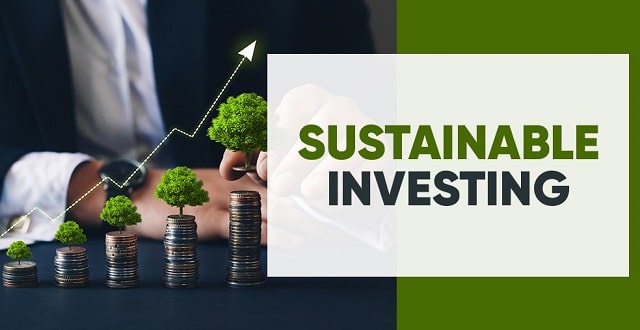
The Rise Of Sustainable Investing In Modern Portfolios

sustainable investing benefits modern portfolio

Key Takeaways:

  • Delving into what sustainable investing means in the modern financial context.
  • Examining the driving forces bringing sustainable investing to the forefront of the financial industry.
  • A closer look at the various types of sustainable investments and how they contribute to positive change.
  • A comprehensive approach to evaluating and measuring the impact of sustainable investments.
  • The growing influence and implementation of ESG criteria in shaping investment portfolios.
  • Quantifying the performance of sustainable investments in comparison with traditional financial vehicles.
  • Real-world success stories of companies that are reaping benefits from sustainable practices.
  • Impact investing means achieving financial gains and meaningful social or environmental change.
  • Identifying and understanding the trends that are set to influence the future of sustainable investing.
  • Practical advice for those looking to embark on their sustainable investing journey.

Amidst the intricate weavings of the global financial system, sustainable investing has emerged as a lynchpin for the conscientious investor. Gone are the days when investing was solely about financial yields. Today's investors, bolstered by the expertise of Chuck Roberts of Stifel, Nicolaus & Company, are increasingly focusing on responsible investing strategies that cherish stewardship of the environment, value socio-economic equality, and uphold corporate governance.

Just as an oak tree grows from a singular acorn, the ethos of sustainable investing has blossomed from a niche idea into a colossal movement. Individuals and institutions are planting the seeds of change in their portfolios, eager to cultivate a greener, more equitable world. In doing so, they are not just participating in the market but influencing its direction toward a more ethically aware future. Integrating environmental, social, and governance (ESG) criteria into the investment process has surged, elevating sustainable investing from a fringe concept to a fundamental component of sophisticated wealth management. DEI (diversity, equity, inclusion) friendly companies could also be considered for the "social" aspect of ESG compliant investments, but that doesn't necessarily mean it is a sustainable company environmentally.

Why Sustainable Investing is Taking Center Stage

Financial markets once disregarded the broader repercussions of their activities, but the tide has shifted. Investors are drawn to sustainable investing for its economic benefits and potential to address global challenges such as climate change, resource scarcity, and social inequality. Regulatory frameworks across the globe are amping up requirements for corporate transparency and ethical behavior, thereby illuminating the path to sustainable investing. Personal values also play a significant role, with an increasing number of individuals seeking investment opportunities that align with their principles and aspirations for a more responsible society.

Types of Sustainable Investments

The terrain of sustainable investing is a verdant landscape populated by various investment opportunities. It offers a garden of choices, from securities in companies that excel in energy efficiency to green real estate ventures promoting sustainable architecture. Investors can consider community investment funds that bolster local economies or peer-to-peer lending platforms supporting small-scale green projects. Sustainable mutual funds and exchange-traded funds (ETFs) also allow for diversified exposure to meticulously curated companies with robust ESG performances.

How to Evaluate Sustainable Investments

Understanding and evaluating sustainable investments require a multifaceted approach. Investors must learn to dissect a company's annual reports with a discerning eye, gauging economic health and the potential impacts of their environmental footprints and social contributions. They must also become adept at interpreting the ratings produced by specialized ESG analysis firms, which comb through data to provide assessments of a company's sustainability credentials. Transparency is the key, as it offers a gateway to an informed analysis that couples traditional financial metrics with ESG benchmarks.

The Role of ESG Criteria in Investment Decisions

The ESG criteria are a compass for navigating the investment landscape, guiding investors toward companies that conscientiously manage their impact on the world. A strong ESG proposition can serve as a bellwether for resilience and innovation within a company, acting as a proxy for management quality and forward-thinking corporate practices. Investors are increasingly mindful that sound ESG practices can lead to better risk-adjusted returns, as companies that excel in these areas demonstrate operational excellence and strategic insight.

Performance Metrics: Sustainable Versus Traditional Investments

The narrative surrounding sustainable investments has shifted dramatically, dispelling the myth that a commitment to sustainability comes at the cost of diminished returns. On the contrary, sustainable investments increasingly demonstrate their mettle, showing improved risk profiles and competitive performance over standard investment vehicles. Empirical studies substantiate this claim, proving that companies with strong ESG practices often perform better in the long run due to their adeptness at navigating environmental risks and societal expectations.

Case Studies: Companies Championing Sustainable Practices

Tangible evidence of the benefits of sustainable practices can be seen in the positive financial performance and improved stakeholder relations of companies that have embraced ESG principles. Companies across various industries, from consumer goods to financial services, are setting an example by driving innovation in product development, optimizing supply chains, engaging in social stewardship in their operations, reaping fiscal benefits, and reinforcing their license to operate within an increasingly ethics-focused marketplace.

Investing for Impact: Adding Value Beyond Financial Gains

While some investors prioritize the traditional path to wealth maximization, others seek to impact the world positively. Impact investing epitomizes this, with investors directing funds to endeavors to generate measurable social and environmental benefits. These investments are not acts of philanthropy but are expected to yield competitive returns while advancing the investors' values. Such intentional investments can generate groundbreaking solutions in affordable housing, renewable energy, and health services, supporting underserved communities and fostering innovation for societal good.

Future Projections: Trends to Watch in Sustainable Investing

The future of sustainable investing looks bright and bustling with potential. An expanding population of investors insists on transparency and sustainability, pushing the market towards more sustainable product offerings and investment strategies. As technology continues to enhance ESG data collection and analysis, investors will become more adept at distinguishing genuine sustainable operations from mere facades. Meanwhile, prophecies and demographic trends suggest that the demand for ESG-centric investments will only intensify, underpinned by a generational shift in values toward more significant ecological and social consciousness. The anticipation of a quadrupling of ESG assets further solidifies the role of ESG in shaping tomorrow's investment frontier.

Getting Started with Sustainable Investing

Carving a path in sustainable investing begins with introspection and education. Define what sustainability means to you and identify the issues you care about the most. Engage with financial professionals who can demystify the process and guide you through the maze of sustainable investment options. With prudence, patience, and the proper counsel, it is possible to construct a portfolio that generates financial rewards while stewarding positive change. By adopting sustainable investing, one can manifest a legacy of wealth beyond numbers—a legacy of positive, lasting impact on the planet and society.

How To Make Your Startup More Eco-Friendly

how to make startup more eco-friendly green business

With more and more of us making our purchasing decisions based on the ethical and environmental credentials of companies, it’s more important than ever that your startup measures up. 

Companies like goBambu have seen a huge boost in customers after educating them about their environmental efforts. 

With that in mind, here’s a helpful guide for some ways you make your startup more eco-friendly. 

Reduce, Reuse, Recycle 

It’s worth implementing this policy early on and is something that can be followed as your company starts growing. 

You can start by focusing on purchasing packaging that can be used more than once. For example, if you receive a parcel, keep the box it comes in and in turn use this to ship out your own parcels. 

You’ll also want to make sure your staff members are fully aware of what items can be recycled and provide adequate facilities like recycling bins and food waste disposal bins for this. 

Think about repairing items too before throwing them away. If they are irreparable, think about ways you can upcycle and repurpose the items first. 

Opt For Clean Energy 

You can boost your greed credentials by opting for clean energy suppliers. With more and more green energy companies popping up every day, there’s never been a better time to switch. 

Not only will your green credentials increase but there’s a good chance you can save money as renewable energy can be cheaper in the long run. 

Go Paperless 

Even though paper is recyclable, it’s estimated that 90% Canada’s paper output (which is the UK’s biggest source of pulp) comes from ancient forests. 

Deforestation continues to happen around the world, even in developed countries so to mitigate this, companies can opt to go paperless instead. 

Have forms filled in online, get documents signed digitally and avoid printing out resources that are already stored on your computer. 

Offset Your Carbon Emissions 

One of the best ways you can win new customers and attract talented employees is by offsetting your workplace carbon emissions. 

By joining tree-planting initiatives you can make your company completely climate positive. These convenient initiatives plant trees on your behalf so you don’t have to do the hard graft yourself. 

With millennials being the generation more concerned about climate change than any other, this will give your company an edge when recruiting the best talent. 

Encourage Green Travel 

With an average of only 1.7 people per car, cars are one of the most inefficient forms of travel there is. 

With people driving to work, this average number of people per car is likely to decrease. 

With cars making up over 60% of road transport CO2 emissions in Europe, it’s worth encouraging and educating your employees about other forms of greener transport. 

If your employees live nearby encourage them to walk to work. Alternatively, you can offer a cycle-to-work scheme in which employees can pay for brand new bikes from their taxes. 

Other greener transport modes include car pooling or using public transport.

How Can Businesses Cultivate A Greener Workplace?

how business owners cultivate greener workplace improve company sustainability eco-friendly startup

People all over the world have been stepping up their efforts to recycle. But while dutifully recycling cans and plastics and leaving the car at home all help in the fight against global warming, we need to address the issue on a larger scale. Business owners have a range of resources at their fingertips, as well as a social responsibility to contribute towards a greener future. 

There are many easy ways to cultivate a greener workplace, and you can make a start by following these steps from leading business electricity suppliers. 

Provide Bins For Recycling 

Recycling bins aren’t just for the home – workplaces have a duty to provide easily accessible recycling bins for staff. This means that your staff can easily recycle their takeaway boxes at lunch time (provided there isn’t too much grease on them) and cardboard from parcels. Recycling packaging has such a positive impact on the environment, it decreases the need to use raw materials that save energy. For instance, it takes 75% less energy to make a plastic bottle from recycled plastic compared to raw materials. 

Keep A Stock Of Shopping Bags 

Since the plastic carrier bag charge was introduced in England, positively, plastic bag sales in the ‘big seven’ supermarkets is down 86% since the 5p charge was introduced to improve waste management and reduce rubbish. 

One of the most effective ways of reducing plastic waste is by taking your own bags when you are going to a supermarket to save paper and plastic – but we’re all guilty of forgetting to bring our bags for life from time to time. Keeping stock of a few bags for life in the office means that staff can reuse them on their lunch breaks to ensure they don’t buy any more plastic bags. 

Stock Up On Fruit 

Stocking up on weekly fruit for staff to enjoy is a great way to keep everyone in your office health – just make sure that you grab the loose fruit, rather than the packaged versions. Choose lightweight, reusable produce bags instead of the plastic bags that are usually provided. Be sure to look for ones made from recycled plastic or repurposed netting fabric. Pick up your fruit on a bicycle or in an electric vehicle to reduce energy use and costs even further!

Swap Out Plastic Cutlery 

Swapping cutlery to reusable items in the canteen or staff kitchen is another way your workplace can go plastic-free. Plastic cutlery comes in a close second in terms of plastic pollution impact. It’s estimated that 269,000 tons of plastic cutlery contribute to plastic pollution. Despite studies revealing that we use plastic cutlery for just three minutes before throwing it away. Many people are unaware if cutlery can be recycled, which leaves much of the plastic in landfills or incinerated. 

Offer Reusable Water Bottles For Staff 

Providing your staff with reusable water bottles can help reduce plastic use both in and out of work. Employees are less likely to go out and buy bottled water on their lunch break if they have their own reusable and recyclable bottle which they can fill up at work – and it will also help keep you and your staff hydrated and focused!

How Much Is It To Hire A Skip?

skip hire costs uk

Whether you’re starting a new housing project or decluttering your home to relieve yourself of the remains of the last year's festive period, a good old clear out can just be what you need to start a new year with a fresh feeling. With that, appropriate planning is required and whether you’re going to do all yourself or hire an expert, you still need to consider where you’ll be putting your waste. 

For jobs like these, the bi-weekly bin collector will just not cut it, therefore you’ll need to consider other options such as cheap skip hire

When hiring a skip, you need to consider the size of the skip you require and note the area you’re based in, which can affect the skip hire cost. We’ve investigated some of the cheapest skip prices for a number of regions around the UK. 

Let’s take a look at how much a skip would cost you for your big project: 

The Lowest Cost Area 

These locations we’ve considered are the luckiest for dumpster rentals. Why? Because they get some of the cheapest skip hire prices: 


skip hire prices uk

Expensive Areas For Skip Hire 


expensive skip hire costs united kingdom
skip hire costs england

Of course, it depends on what size you require, which would impact the cost regardless of where you live. It’s important to pick the right sized skip to suit your needs not only in terms of pricing, but in terms of the job. 

What Size Skip Do You Need? 

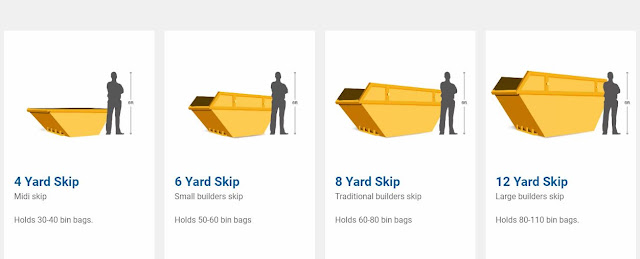
4-Yard Skip 

The smallest out of the selection, 4-yard skip are the most compact waste container. It is ideal for smaller domestic refurbishments, DIY projects, and small garden clearances. 

Despite being small, these skips can hold around two and a half car boots full of waste. So, you can be sure these small, compact and easy to load skips can handle most domestic refurbishments 

6-Yard Skip 

Considered as a small builder’s skip, the 6-yard skip offers an ideal way to store waste when carrying out a medium-sized domestic project. It’s the perfect option when you are tackling domestic refurbishments, home clear-outs, or even small construction works. 

Despite them being known as a small builder’s skip, they can hold as much waste as VW Cadi Maxi Van! Plus, it’s easy to fit on most driveways and greater for the bulkier items. 

8-Yard Skip 

Considered as being a traditional builder’s skip, this is the most popular skip choice out of them all and it’s the largest available for soil and rubble due to the weight limit it allows. 

The 8-yarder is ideal for most if not all projects, including construction and large domestic clearances. It can hold as much as a Ford Transit Van full of waste, so you can be sure it can handle all your bulkier waste items! 

12-Yard Skip 

The largest available, 12-yard skips are huge and suitable for the bulky items of waste that are still light in weight. 

Despite it not being suitable for soil and heavy rubble, it’s ideal for major construction works and large clear-outs. It can hold the same capacity of waste as the average garden shed — impressive right? 

Clear Out With A Skip Hire

Now, with the right skip size and budget in mind, you’re set to blast through any project you desire! Start the new year off clean, organized, and decluttered with a cheap skip hire cleanout.

Effective Waste Management Tips

effective waste management tips

We abused our privilege of living on this planet by throwing trash where it doesn’t belong – in oceans, on land, everywhere. Our waste belongs in landfills and compost, and as much as possible, we must recycle or reuse whatever we can. For decades we neglected our responsibility of protecting the environment from destruction, and we are now reaping the effects of this neglect. Waste management and disposal is a crucial element in ensuring that the environment gets back on its feet. Here are some practical ways of managing our waste. 

Identify Your Waste 

Each day, we produce different types of waste, from food packaging, construction waste, old junk, food or organic waste, etc. Identify the types of waste you produce so you can start managing them right away. 

Hire A Professional Hauler 

With construction waste and old junk, you can enlist the help of any of the Omaha junk haulers in your area, and they will pick up your garbage and bring it to either the landfill or recycling centers. These haulers adhere to laws regarding proper waste disposal, so you can be sure that they are handling your trash the right way. 

Segregate Your Waste 

You must have different bins for different waste groups. Have one for green or organic waste, another for recyclables, and another for non-recyclables. Doing so will allow you to do your part in making sure that waste goes where it belongs in the landfills, and recyclables can still become useful. 

Consider Making A Compost Pit 

If you have a space in your yard for a compost pit, consider making one where you can put your food waste. Food waste decomposes, so it is safe to bury in the ground. Plus, it becomes fertilizer for your plants. 

Reduce Your Waste 

Here is a great idea: when you go grocery shopping, bring your own containers for fresh produce such as meat, fish and vegetables. This way, the store doesn’t have to pack them in plastic bags, which will end up in the bin when you get home. Bring reusable bags to store your purchases too. You not only save the environment, but you also save money by not paying for plastic bags to put your groceries in. Make it a habit, and it will have a significant impact. 

Put Out Bins Outside Your Home 

It won’t hurt to add more bins so that people who pass by your house who also happen to have small pieces of trash that they have to dispose of don’t have to resort to throwing them anywhere else. You help your community keep its order and cleanliness with this practice. 

Conclusion

Waste management does not only pertain to segregating our waste correctly but reducing it as well. We must be conscious of the amount of garbage we produce. It may seem like a tall task, but it is very doable. The little changes that we make in terms of producing waste will have a significant impact in the long run.

The Lean Startup Life Media Network Newest Blog Posts: