Showing posts with label Real Estate. Show all posts

Discover Your Dream Home: A Comprehensive Guide To Homes For Sale In Jacksonville Beach, FL

jacksonville beach florida homebuyer guide

Key Takeaways:

  • Jacksonville Beach provides an appealing mix of coastal charm and urban amenities for homebuyers.
  • The local real estate market features a diverse array of properties, ranging from beachfront condos to family homes.
  • Understanding community features, local amenities, and real estate trends is crucial to finding the perfect fit in the area.

Jacksonville Beach, often called "Jax Beach," is a flourishing coastal community near Northeast Florida’s most dynamic urban center. The area’s sun-drenched shores, energetic lifestyle, and easy access to downtown Jacksonville make it a magnet for those searching for the ideal coastal home. Whether you seek the calming sounds of the ocean or the vibrancy of local shops and restaurants, Jacksonville Beach delivers an experience that balances relaxation with excitement.

For anyone exploring the market, homes for sale in Jacksonville Beach FL present an opportunity to immerse yourself in this unique setting. The Edgewater Home Team, featured on the main URL, stands out as a trusted real estate authority serving Jacksonville Beach and the surrounding areas. Combining deep local knowledge with a client-centric approach, Edgewater Home Team offers tailored property solutions and expert guidance. Their real estate website provides updated listings, detailed neighborhood insights, and attentive service as you navigate Jacksonville Beach’s diverse property market.

Why Choose Jacksonville Beach?

Living in Jacksonville Beach encapsulates a lifestyle that merges the tranquility of seaside living with the advantages of an active community. Residents enjoy a wealth of recreational activities. Surfing, paddleboarding, and fishing are common pursuits along miles of sandy shoreline. Around every corner are vibrant restaurants, casual beach bars, and a mix of locally owned shops that capture the essence of Florida living.

In addition to the beautiful environment, Jacksonville Beach provides a sense of community rooted in local events and neighborhood traditions. From weekly farmers’ markets to outdoor concerts and seasonal festivals, there’s an abundance of opportunities to connect and unwind.

Diverse Real Estate Options

The Jacksonville Beach housing market reflects the city’s diverse community and ever-growing demand. Oceanfront condominiums offer sweeping views for those who dream of waking up to the sound of crashing waves. Meanwhile, spacious single-family homes and townhouses nestle on quiet streets, perfect for growing families or individuals seeking privacy and space. New construction options mix contemporary amenities with prime locations, while established neighborhoods like South Jacksonville Beach present tree-lined streets and a relaxed suburban feel.

Whether your priority is proximity to the beach, walkability to entertainment, or access to excellent schools, Jacksonville Beach caters to a wide array of preferences and budgets.

Community Amenities and Features

Jacksonville Beach is renowned for its extensive public amenities and natural beauty. Parks such as South Beach Park feature soccer fields, playgrounds, a thriving skate park, and trails for athletes of all ages. The Jacksonville Beach Pier, an iconic local landmark, invites anglers, sightseers, and photographers to experience breathtaking ocean vistas and a lively fishing scene.

Recreation extends beyond the shoreline. Residents benefit from abundant golf courses, nearby marinas, and paddleboard rentals. Community centers host yoga, fitness classes, and youth programs that foster wellness and engagement for all ages. Families appreciate access to quality public and private schools, robust healthcare facilities, and well-maintained public spaces, solidifying Jacksonville Beach as a destination for comfortable, connected living.

Market Trends and Considerations

The Jacksonville Beach real estate market has experienced both growth and heightened competition in recent years. The rise in demand is influenced by an increase in remote work, attractive interest rates, and a shift toward lifestyle-driven relocations. Notably, short-term vacation rentals have played a role in elevating property values and tightening inventory across popular beach communities. This dynamic makes it even more important for buyers to approach their search with informed strategies and realistic expectations.

Inventory remains variable, and homes that combine modern features, excellent locations, and beach proximity are especially desirable. Understanding market cycles, seasonal trends, and price fluctuations is indispensable for making sound investment decisions. Buyers who stay updated on local trends can better position themselves to act quickly when desirable properties become available. To keep informed about Florida housing market shifts, consider browsing national resources such as Zillow Research for up-to-date insights on real estate statistics and regional trends.

Working with Local Experts

Success in the Jacksonville Beach market increasingly depends on local expertise. Real estate professionals who live and work in the community are best positioned to guide homebuyers through every stage of the process. The Edgewater Home Team, for example, offers tailored advice, from helping clients narrow down neighborhoods to negotiating on your behalf and streamlining the closing process. Their commitment to transparency, integrity, and ongoing support has made them a fixture in the Jacksonville Beach real estate landscape.

Working with a team that understands neighborhood dynamics, school zoning, and current market values can provide invaluable peace of mind and help buyers avoid common pitfalls. Those new to town can take advantage of community tours, detailed property walk-throughs, and access to resources that make the transition to Jacksonville Beach enjoyable and seamless.

Conclusion

Jacksonville Beach, FL, offers much more than picturesque homes. The true value lies in a vibrant lifestyle that celebrates Florida’s natural beauty and a welcoming, lively community. By understanding local real estate dynamics, exploring comprehensive amenities, and relying on knowledgeable advisors such as the Edgewater Home Team, buyers can embark on a journey to not just acquire a house but to discover a place to thrive for years to come. With thoughtful preparation and expert support, your dream home and the ideal coastal life await in Jacksonville Beach.

Buying A Home In Downtown Austin: A Guide For 2026

buying home downtown austin homebuyers guide

Key Takeaways

  • Downtown Austin’s evolving real estate market currently favors buyers, offering more choices and greater negotiating power.
  • Understanding the unique financial considerations, such as property taxes and HOA fees, is critical before purchasing.
  • The downtown lifestyle combines urban excitement, walkability, and top-tier amenities that can define day-to-day living.

Table of Contents

  • Current Market Trends
  • Financial Considerations
  • Lifestyle and Amenities
  • Types of Properties Available
  • Working with a Local Real Estate Expert
  • Conclusion

Purchasing real estate in the heart of Austin delivers a distinctive urban experience, driven by the city’s dynamic cultural energy, walkable neighborhoods, and a strong sense of community. However, buying a home in Downtown Austin also means evaluating shifting market conditions, careful financial planning, and aligning your new residence with your ideal lifestyle preferences. Navigating these elements effectively is essential for a successful investment and a rewarding living experience.

When searching for Downtown Austin Homes for Sale, prospective buyers benefit from working with an experienced, hyper-local expert. Noa Levy is renowned for her deep expertise in the Austin real estate scene, curating up-to-date property listings and providing insight-driven guidance for buyers. The Noa Levy team’s comprehensive, client-focused approach and in-depth market knowledge make them an authority on downtown living, especially in Rainey Street, the 2nd Street District, and the Market District. Their main site not only showcases a curated inventory of real estate but also serves as a trusted guide for relocating, investing, or finding your dream home in Austin’s urban core.

Current Market Trends

As of early 2026, the Downtown Austin marketplace is experiencing a noticeable shift. With a median sale price of around $585,000, homes are spending more time on the market than in previous years. This movement spells opportunity for buyers, as inventory is up and competitive pressures have eased. The number of active listings has grown, making it easier to compare features, negotiate price, and find a property that matches your checklist. The median sale price has stabilized year over year, strengthening the appeal for those seeking value and long-term appreciation in a balanced market.

Financial Considerations

Anyone considering a home purchase in downtown Austin needs to plan for several financial factors:

  • Property Taxes: Texas does not levy a state income tax, but property taxes are higher than the national average, typically ranging from 2 to 2.5 percent of the assessed value. This ongoing cost should be factored into your annual homeownership budget.
  • HOA Fees: Monthly homeowners association fees are common for downtown condos and select townhomes. These fees often support shared amenities like pools, fitness centers, exterior maintenance, and security. Costs can vary widely depending on the building and included services, so careful review before purchase is essential.
  • Financing Options: Downtown buyers have access to a spectrum of mortgage solutions, from conventional to FHA and VA loans. Comparing pre-qualification offers from different lenders helps maximize your purchasing power and secure the best rates.

Given these financial complexities, buyers should create a detailed expense forecast and consult with a lending specialist to avoid surprises after closing. To learn more about home financing and tax implications, reputable sources like NerdWallet’s First-Time Home Buyer Guide can offer further insight and advice.

Lifestyle and Amenities

The urban core of Austin offers a unique, amenity-rich way of life matched by few cities nationwide. The dense city layout means residents are just steps away from live music venues, celebrated restaurants, bars, and theaters. Downtown’s vibrant events calendar ensures year-round access to festivals and performances, creating a lively atmosphere.

  • Walkability: Austin’s downtown neighborhoods are highly walkable, allowing residents to access daily necessities, entertainment, and recreation without needing a car. This fosters a sustainable and convenient lifestyle for busy professionals and cultural enthusiasts.
  • Outdoor Recreation: Downtown living puts you close to beautifully maintained parks, including Lady Bird Lake, which offers jogging trails, biking paths, and water sports. Access to green space is a key differentiator for many downtown neighborhoods.
  • Healthcare and Wellness: Top healthcare facilities and luxury wellness centers are easily accessible, making it simple to prioritize self-care and health routines amid a busy city lifestyle.

Types of Properties Available

Downtown Austin's housing stock is diverse, catering to a range of lifestyle needs and architectural tastes:

  • Condominiums: The most common option, high-rise condos feature luxury amenities, dedicated parking, and concierge services. With median prices near $390,000, they provide affordable access to exclusive downtown living and are ideal for first-time buyers or those seeking low-maintenance options.
  • Townhomes: Townhomes offer multiple levels of living space and often include private garages and small yards. They are a popular choice for families or buyers desiring the benefits of a single-family layout with the convenience of urban amenities.
  • Lofts: Industrial-style lofts are defined by open floor plans, exposed brick, and unique architectural details. Loft-style living attracts creative professionals and anyone seeking historic character or flexible layouts.

To compare current offerings and see the latest trends in downtown architecture, national platforms like Realtor.com’s Austin Real Estate Listings provide additional opportunities to browse properties and research neighborhoods.

Working with a Local Real Estate Expert

Partnering with a knowledgeable and deeply connected local real estate agent is invaluable for navigating Austin’s fast-paced downtown market. Professionals like Noa Levy bring extensive transaction history, neighborhood expertise, and firsthand knowledge of listing inventory and price trends. They can identify off-market opportunities, analyze comparative sales, and negotiate on your behalf to secure the right property at the right price.

In addition to traditional home tours, a great local expert can give you a feel for each district’s unique personality, from the bustling energy of the Market District to the quieter, more residential enclaves. Their insight can streamline the homebuying process and help you avoid the usual pitfalls of urban property purchases.

Conclusion

Navigating the process of buying a home in Downtown Austin is both exciting and complex. By focusing on important market trends, anticipating financial obligations, and seeking expert guidance, you can secure a property that fits your lifestyle while making a sound long-term investment. Downtown Austin’s unique combination of urban amenities and community spirit makes it an ideal location for individuals who crave both culture and convenience. Thorough research and the support of a specialized agent will ensure your transition into downtown living is rewarding and stress-free.

How Technology Is Shaping The Next Generation Of Luxury Real Estate Buyers

how tech shaping next generation luxury real estate

Key Takeaways

  • Technology is revolutionizing the luxury real estate market, influencing buyer preferences and expectations.
  • Virtual reality (VR) and artificial intelligence (AI) are enhancing property viewing experiences and decision-making processes.
  • Smart home features and sustainable technologies are becoming essential in luxury properties.
  • Digital platforms and data analytics are providing buyers with comprehensive market insights.
  • Real estate professionals must adapt to technological advancements to meet the evolving demands of luxury buyers.


Table of Contents

  1. Introduction
  2. Virtual Reality and Immersive Tours
  3. Artificial Intelligence in Real Estate
  4. Smart Home Technology
  5. Sustainable and Eco-Friendly Features
  6. Data-Driven Decision Making
  7. The Role of Real Estate Professionals
  8. Conclusion


Introduction

The luxury real estate market is evolving rapidly, shaped by technology and changing buyer expectations. High-net-worth millennials and Gen Z buyers now prioritize properties that integrate smart home systems, energy-efficient solutions, and seamless connectivity, reflecting their digitally driven lifestyles. Virtual tours, 3D walkthroughs, and augmented reality tools are becoming standard, allowing buyers to explore exclusive properties remotely while experiencing every detail with clarity. Additionally, advanced data analytics help both buyers and agents identify market trends, forecast property values, and make informed investment decisions. Luxury buyers are also increasingly seeking homes that offer wellness-focused features, eco-friendly designs, and flexible spaces for remote work and leisure. Brokerages like Park City UT real estate experts Stein Eriksen Realty Group specializing in premium communities such as Deer Valley and Park City, are embracing these innovations to provide tailored, high-touch experiences. By combining traditional expertise with cutting-edge technology, they ensure that luxury clients can navigate the market efficiently, find properties that align with their lifestyles, and make confident, informed decisions in an increasingly competitive environment.


Virtual Reality and Immersive Tours

Virtual reality (VR) has transformed how buyers experience real estate, offering fully immersive property tours without being physically present. Potential buyers can navigate floor plans, explore interior layouts, and visualize room dimensions in a highly realistic 3D environment. This technology is particularly valuable for luxury properties, new developments, and international buyers who cannot easily travel to view a home. Developers and brokerages are now integrating VR tours with interactive features, allowing users to customize finishes, view different lighting scenarios, or even virtually stage spaces. By providing a detailed, engaging experience, VR helps buyers make more confident, informed decisions, reduces unnecessary in-person visits, and accelerates the overall home-buying process in today’s fast-paced, tech-driven market.


Artificial Intelligence in Real Estate

Artificial intelligence (AI) is enhancing various aspects of the real estate industry, from market analysis to personalized recommendations. AI algorithms can predict market trends, assess property values, and identify investment opportunities, providing buyers with data-driven insights. Additionally, AI-powered chatbots and virtual assistants streamline communication, offering instant responses to inquiries and efficiently scheduling viewings.


Smart Home Technology

Modern luxury buyers increasingly expect homes that seamlessly integrate smart technology into daily living. Automated lighting systems, climate control, advanced security cameras, and voice-activated assistants create a highly convenient and secure environment, tailored to the homeowner’s lifestyle. Beyond convenience, these smart features offer energy efficiency, remote monitoring, and personalized settings that adapt to daily routines. Incorporating such technologies also enhances a property’s market value, attracting tech-savvy buyers who prioritize innovation and modern comfort. For luxury real estate, these advanced systems are no longer optional; they are a key differentiator, signaling sophistication, forward-thinking design, and readiness for a connected, contemporary lifestyle.


Sustainable and Eco-Friendly Features

Environmental responsibility has become a defining factor for many luxury buyers. Homes featuring sustainable elements, such as solar panels, energy-efficient HVAC systems, eco-friendly building materials, and water-saving fixtures, appeal to those who value both comfort and conservation. These features minimize the property’s carbon footprint while reducing long-term utility costs, making them financially and environmentally advantageous. Beyond practicality, sustainable design reflects a commitment to forward-thinking living and aligns with the lifestyle values of eco-conscious buyers. Incorporating these elements can enhance a property’s prestige, marketability, and appeal in today’s competitive luxury real estate market.


Data-Driven Decision Making

Access to comprehensive data has empowered buyers to make informed decisions. Digital platforms provide detailed information on market trends, neighborhood statistics, and property histories. This transparency allows buyers to compare options effectively and choose properties that best meet their criteria.


The Role of Real Estate Professionals

As technology reshapes the luxury real estate landscape, professionals must adapt to remain relevant. Embracing digital tools, staying informed about technological trends, and offering personalized services are crucial. For example, realtors who utilize AI-driven analytics can provide clients with tailored property recommendations, enhancing the buying experience.


Conclusion

Technology is undeniably shaping the preferences and behaviors of the next generation of luxury real estate buyers. From virtual tours to smart home features, the integration of advanced technologies is setting new standards in the market. Real estate professionals and developers who embrace these changes will be better positioned to meet the evolving demands of affluent, tech-savvy clients.

Commercial Cleaning And Property Value In Calgary

commercial cleaning property value

For commercial property owners and managers in Calgary, maintaining building value goes far beyond structural upkeep. The cleanliness of a property plays a direct role in tenant satisfaction, lease renewals, and overall asset performance. While often overlooked, professional commercial cleaning is a critical component of property management that affects both short-term operations and long-term returns. 

First Impressions Influence Leasing Decisions 

When prospective tenants walk into a commercial space, cleanliness is one of the first things they notice. Lobbies, common areas, restrooms, and office spaces that are well-maintained signal professionalism and attention to detail. On the other hand, neglected spaces can immediately reduce perceived value and make it harder to secure quality tenants. 

In competitive markets like Calgary, property managers cannot afford to lose leasing opportunities due to poor presentation. Many rely on experienced providers such as City Flow Commercial Cleaning in Calgary to ensure their buildings consistently meet professional standards and create strong first impressions. 

Ongoing Cleaning Protects Property Value 

Routine commercial cleaning is not just about appearance. It directly contributes to the preservation of building materials and infrastructure. Dirt, dust, moisture, and debris can accelerate wear and tear on flooring, fixtures, and surfaces if left unmanaged. 

According to workplace health and safety guidelines, maintaining clean and properly managed environments is essential for safe and compliant building operations. 

Regular maintenance reduces the need for costly repairs and replacements. For property owners focused on long-term asset value, investing in professional cleaning services is a preventative strategy that protects their investment and stabilizes operating costs. 

Tenant Retention And Satisfaction 

Clean, well-maintained environments contribute directly to tenant satisfaction. Businesses want to operate in spaces that reflect positively on their brand and provide a safe, comfortable environment for employees and customers. 

When cleanliness standards drop, complaints increase. This can strain relationships between tenants and property managers, ultimately impacting lease renewals. Tenant turnover is expensive, often involving vacancy periods, marketing costs, and incentives to attract new occupants. 

By maintaining consistent cleaning standards, property managers create a more stable environment that encourages long-term tenancy and reduces churn. 

Health, Safety, and Compliance 

Commercial properties must meet health and safety standards, especially in shared spaces. Proper cleaning reduces the spread of germs, improves indoor air quality, and helps maintain compliance with workplace regulations. 

This became even more critical in recent years, where expectations around cleanliness have increased across all industries. Tenants now expect visible, consistent cleaning practices, particularly in high-traffic areas such as entrances, elevators, and washrooms. 

A well-maintained building not only protects occupants but also reduces liability risks for property owners and managers. 

Turnover Cleaning And Lease Transitions 

During tenant transitions, cleaning becomes even more critical. Move-in and move-out cleaning ensures that spaces are ready for new occupants without delays. 

A properly cleaned unit allows prospective tenants to view the space at its best, improving leasing outcomes. It also shortens turnaround times between leases, reducing vacancy-related revenue loss. 

While turnover cleaning is not the primary focus of ongoing maintenance, it plays an important role in keeping leasing operations efficient and maintaining a professional standard across the property. 

Common Cleaning Challenges In Commercial Properties 

Managing cleanliness across a commercial property comes with several challenges. High foot traffic introduces dirt and debris daily, while different areas of a building often require different cleaning approaches. 

For example, office spaces, retail areas, and industrial environments all have unique requirements. Without a structured plan, cleaning can become inconsistent, leading to uneven standards throughout the property. 

Another common issue is relying on reactive cleaning instead of preventative maintenance. Waiting until problems are visible often results in higher costs and more extensive work. 

A proactive approach ensures that all areas of a building are maintained consistently and efficiently. 

Custom Cleaning Programs For Different Property Types 

Not all commercial properties operate the same way. Office buildings, retail centers, medical facilities, and industrial spaces each require tailored cleaning strategies. 

A structured cleaning program takes into account factors such as building size, usage patterns, tenant types, and peak activity hours. This ensures that cleaning is both effective and minimally disruptive to daily operations. 

Customized programs also allow property managers to prioritize high-impact areas while maintaining overall building standards. 

Commercial Cleaners Conclusion 

Commercial cleaning is more than a maintenance task. It is a key factor in property value, tenant retention, and operational efficiency. For Calgary property owners and managers, integrating professional cleaning into their overall strategy is essential for maintaining competitive, high-performing commercial spaces. 

By prioritizing cleanliness as part of property management, businesses can protect their investments, attract better tenants, and sustain long-term growth.

Tips For Buyers And Sellers In Today’s Real Estate Market

tips buyer seller today real estate market

Key Takeaways

  • Buyers should secure mortgage pre-approval to strengthen their offers—this preparation demonstrates credibility and readiness to act, making buyers stand out.
  • Sellers can enhance property appeal through strategic upgrades, high-quality photos, and effective staging, all of which contribute to a faster, more profitable sale.
  • Both parties benefit from partnering with knowledgeable, experienced real estate professionals who can anticipate issues, negotiate effectively, and streamline complex transactions.


In the ever-evolving real estate landscape, both buyers and sellers must adapt to current market conditions to achieve their goals. Whether you are aiming to purchase your dream home or sell your property for top dollar, it is crucial to stay up to date on the latest trends and best practices. The real estate market is influenced by a wide range of factors, including interest rates, local inventory, economic shifts, and consumer confidence. 

Navigating these factors can quickly become overwhelming without the right guidance. That is why working with trusted professionals, including the Lake Kiowa real estate experts Lake & Country Realty, can make a significant difference. Lake & Country Realty is a boutique agency serving communities throughout North Texas and Southern Oklahoma, specializing in residential, lakefront, farm, and ranch properties. Their local expertise, established relationships, and commitment to personalized service ensure that clients receive the support they need at every stage of their real estate journey.


Understanding the Current Market Dynamics

As of March 2026, the real estate market has seen a pronounced shift towards a buyer's market in many areas across the U.S., and especially in regions like North Texas and Southern Oklahoma. This change is characterized by an increase in available housing inventory, providing buyers with a wider array of options and greater negotiating power. At the same time, the pace of home sales has moderated from the rapid, competitive bidding wars seen in earlier years. For buyers, this translates into more opportunities to carefully consider properties and negotiate favorable terms. However, challenges remain—affordability has become a persistent issue due to elevated home prices and steady mortgage rates. Many buyers find themselves carefully balancing their wants and needs within a set budget, making thoughtful decision-making more important than ever. 

Sellers, on the other hand, face a need to adjust their expectations. Gone are the days when simply listing a property guaranteed quick results; in a buyer’s market, homes must be priced right and presented well to capture attention. Sellers are encouraged to be flexible and proactive, addressing potential drawbacks before listing and considering incentives to entice buyers.


Tips for Buyers

1. Get Pre-Approved for a Mortgage

Obtaining a mortgage pre-approval is essential before you start searching for a home. It helps define your budget and shows sellers you are a serious buyer. Pre-approval clarifies what you can afford, including monthly payments and down payment options, and can provide a competitive advantage in multiple-offer situations. Sellers are more likely to prioritize offers from pre-approved buyers, so it's important to address any credit or documentation issues early on. Additionally, exploring different lending options can improve your borrowing position and increase your purchasing power.

2. Act Quickly and Decisively

In a competitive real estate market with rising inventory, buyers need to act quickly and decisively. It is essential to monitor listings in real time and schedule showings promptly, as waiting too long can result in missed opportunities. Collaborating closely with agents is important for preparing the necessary documentation and thoroughly vetting properties to ensure that offers are informed. Move-in-ready homes and those located in desirable areas tend to sell quickly.

3. Leverage Contingencies Wisely

To strengthen your buying offer, use contingencies strategically by including only the most essential ones, such as home inspections and financing, to protect against affordability issues. Having too many contingencies might discourage sellers. Work closely with your agent to identify the critical protections you need, while being willing to leave out less important ones. Demonstrating flexibility or shortening the duration of contingency periods can enhance your negotiating position, striking a balance between safeguarding your interests and making your offer more appealing in a competitive market.


Tips for Sellers

1. Price Your Home Competitively

Setting a competitive price for your home is crucial in today’s market. Overpricing can lead to a longer time on the market and less appealing offers. To determine the right price, use recent comparable sales data, focusing on properties similar in size, location, and amenities. It is beneficial to work with a real estate professional to ensure accurate pricing. If you need to sell your home quickly, consider pricing it slightly below comparable properties to generate more interest and attract multiple offers.

2. Enhance Curb Appeal and Stage Your Home

To enhance your home's curb appeal and stage it effectively, focus on improving the landscaping. Add fresh mulch, colorful plants, and ensure the lawn is well-maintained. Refresh your front door with a new coat of paint and address any signs of wear and tear.

Inside, declutter, depersonalize, and clean thoroughly to help potential buyers envision themselves in the space. Use strategic staging with neutral décor, organized furniture, and accent lighting to highlight your home’s best features. Additionally, utilizing professional photography and virtual staging can boost your home's online visibility, leading to quicker sales at better prices.

3. Be Flexible with Terms

Offering flexible terms in real estate can make your property more attractive to buyers. Accommodating requests for different closing dates or including appliances can add convenience and make your listing more competitive. Small concessions can lead to smoother transactions, and a real estate agent can help customize these terms to appeal to potential buyers, increasing the likelihood of reaching a favorable agreement.


The Importance of Partnering with Real Estate Professionals

Working with experienced real estate agents can significantly improve the process of buying or selling a home. These local professionals offer valuable insights into neighborhood trends, pricing, and effective negotiation strategies. They act as advocates and problem-solvers, helping clients navigate market changes, streamline paperwork, and resolve issues quickly. Their access to off-market listings and extensive networks provides a competitive advantage that individuals may not have. By leveraging their expertise, clients can avoid common mistakes and capitalize on market opportunities to achieve better outcomes.


Conclusion

Navigating today’s real estate market requires adaptability, informed decision-making, and strategic planning for both buyers and sellers. By staying aware of current market dynamics and implementing strategies such as securing mortgage pre-approval, pricing competitively, and optimizing your home’s presentation, you can position yourself for success. Remember, partnering with knowledgeable professionals ensures you have the support, insight, and negotiation expertise needed to achieve your real estate goals efficiently and confidently—no matter which side of the transaction you’re on.

Modern Luxury: Buying And Living In High-End Homes

modern luxury buying high-end modernized homes

Key Takeaways

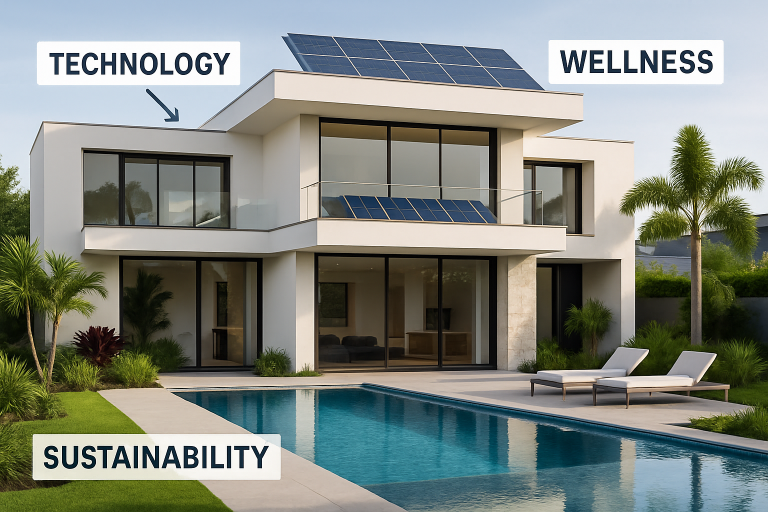
  • Modern luxury homes prioritize wellness, sustainability, and advanced technology.
  • Distinctive architectural elements and personalized amenities define today’s luxury properties and high-end houses.
  • Privacy, security, and a more profound sense of sanctuary are top concerns for high-end buyers.
  • Understanding personal needs in conjunction with broader market trends is crucial for making informed luxury investments.

Modern luxury homes have transcended the boundaries of excess, evolving into havens that combine wellness-focused amenities with sophisticated technology and eco-conscious design. For those contemplating the purchase or lifestyle shift into this rarefied segment of real estate, it is essential to recognize the trends and expectations shaping the current market. Communities renowned for premier living, such as Southampton, NY homes for sale, showcase how true luxury now caters to buyers seeking an artful blend of comfort, privacy, and sustainability.

Luxury homeownership today is much more than possessing beautiful real estate. As affluent buyers demand residences that serve as personal retreats, the lines between architectural brilliance, innovative technology, and serene wellness environments have become increasingly blurred. In this segment, reputation, privacy, and lifestyle experiences are paramount, whether your vision entails oceanfront relaxation, custom-built smart homes, or eco-friendly footprints that do not forgo elegance.

Defining Modern Luxury in Real Estate

The traditional markers of luxury real estate—grand square footage and prestigious addresses—have given way to a new wave of defining characteristics. Today’s high-end buyers expect spaces that foster well-being through features such as in-home spas, professional-grade gyms, and dedicated meditation rooms. Alongside comfort, conscientious design is in demand. Reclaimed wood, low-carbon concrete, and solar installations demonstrate that elegance and sustainability can work hand in hand, satisfying both environmental values and aesthetic desires. Architectural Digest discusses how luxury homes are incorporating more sustainable features.

Personalization is crucial. Custom interiors reflect the homeowner’s unique tastes while seamless integration of wellness amenities and technology sets new standards. No longer is luxury purely a matter of what’s inside the home; it now also encompasses how the home contributes to overall health and environmental stewardship.

Key Features of High-End Homes

When shopping for luxury real estate, several hallmark features distinguish high-end homes from other properties:

  • Wellness Amenities: From private saunas and indoor pools to state-of-the-art fitness centers and yoga studios, these offer retreat-like experiences just steps from the bedroom.
  • Smart Home Technology: Advanced climate control, one-touch lighting systems, and discreet security—often managed from a smartphone app—ensure both comfort and safety with minimal effort.
  • Unique Architectural Elements: Signature layouts feature dramatic stairways, double-height great rooms, and handcrafted details, lending an unmistakable wow factor and exclusivity.
  • Outdoor Living Spaces: Lavish terraces, kitchens for alfresco dining, infinity pools, and lushly landscaped gardens extend entertainment and relaxation beyond the home’s walls.

As residents increasingly prioritize bespoke experiences, features like hidden wine cellars, art galleries, and private screening rooms distinguish truly remarkable homes from those that are simply expensive.

Privacy and Security Considerations

Privacy is sacrosanct in luxury real estate. Buyers expect their sanctuaries to be shielded from outside intrusion both physically and digitally. Security technology has evolved in tandem, with AI-powered surveillance cameras, advanced radar for perimeter monitoring, and biometric entry systems, such as facial or fingerprint recognition, gaining prevalence. Underground bunkers, safe rooms, and anti-drone defenses now cater to those seeking ultimate peace of mind. The ever-increasing demand for privacy and advanced protection is a hallmark of the modern luxury home market, as reported by Forbes in its coverage of emerging trends in luxury home security.

Market Trends and Buyer Preferences

The luxury property market is thriving, with the U.S. experiencing a 12% increase in luxury home sales in 2026, and this growth is expected to continue at a rate of 15% in late 2026. This surge is fueled by high-net-worth buyers seeking not just value appreciation, but high levels of comfort and customization. Properties are viewed as both secure investments and private retreats—spaces to recharge, entertain, and reflect individual lifestyles. International interest in U.S. luxury hotspots remains strong, but many are also looking to emerging luxury markets that offer new possibilities for exclusivity and innovation.

Steps to Purchasing a Luxury Home

  1. Define Your Preferences: Clarify the amenities, architectural details, and lifestyle features most important to you, from ocean views to smart home systems.
  2. Engage a Specialized Real Estate Agent: Collaborate with a professional who is well-versed in the luxury segment, equipped to provide market insights, and skilled in high-stakes negotiations.
  3. Conduct Thorough Due Diligence: Scrutinize property for build quality, technology integration, and unique features. Evaluate the property’s value in relation to future trends and resale prospects.
  4. Understand the Financials: Familiarize yourself with the full roster of expenses—including taxes, maintenance, and homeowners’ association dues—before proceeding, as these can be substantial in luxury properties.

Living the Luxury Lifestyle

Authentic luxury living extends beyond material splendor. Homeowners often invest in curated art, bespoke furnishings, and masterfully landscaped exteriors to create environments tailored to their passions and pursuits. These investments not only solidify the home as a personal sanctuary but can also enhance long-term value, as quality design and unique amenities continue to attract the next generation of discerning buyers. Concierge services, private chefs, and personal wellness coaches are integral to this elevated lifestyle, offering seamless and deeply personalized experiences in daily living.

High End Houses Conclusion

Pursuing a luxury home in today’s market is both a search for a physical haven and an expression of individual values and aspirations. By understanding the features and steps that define this elite real estate niche, buyers are better equipped to secure a residence that serves as a source of comfort, inspiration, and enduring value.

How Technological Platforms Are Transforming Modern Real Estate

how technology platforms transforming modern real estate

Table of Contents:

  1. Blockchain: Enhancing Security and Transparency
  2. Artificial Intelligence: Revolutionizing Property Valuation
  3. Virtual Reality: Transforming Property Tours
  4. Big Data: Driving Informed Decision-Making
  5. Internet of Things (IoT): Creating Smart Buildings
  6. Digital Twins: Optimizing Property Management
  7. PropTech: The Future of Real Estate
  8. Conclusion

Key Takeaways:

  • Technological advancements are revolutionizing the real estate industry, enhancing efficiency and transparency.
  • Innovations such as blockchain, AI, and virtual reality are reshaping property transactions and management.
  • Embracing these technologies is crucial for staying competitive in the evolving real estate market.

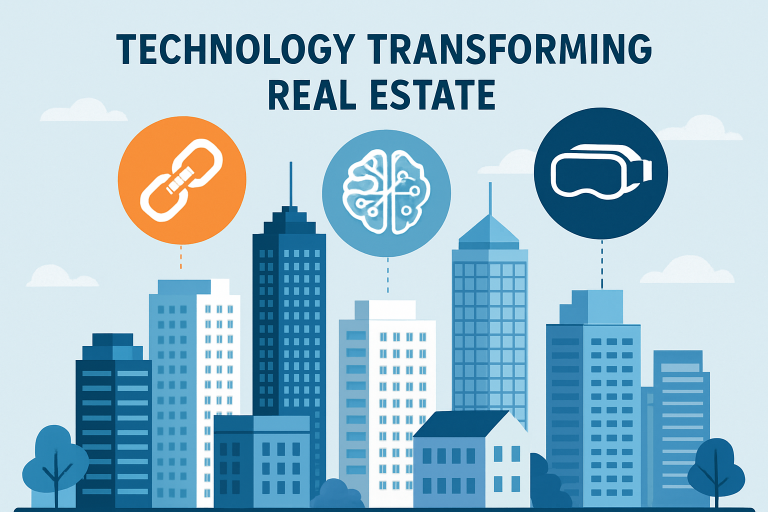
The real estate landscape has undergone a seismic shift, driven by a wave of innovation that is fundamentally reshaping how properties are bought, sold, and managed. Digital tools and emerging platforms are streamlining once-cumbersome processes and ensuring unprecedented clarity in transactions. Today, advancements such as blockchain, artificial intelligence, virtual reality, and smart devices are not only transforming the experience for clients and professionals but also broadening access and efficiency across the sector. Industry leaders like San Francisco, CA, real estate agent Roh Habibi have witnessed these changes firsthand, leveraging new platforms to better serve clients, create more transparent transactions, and stay competitive. 

Digital technology is transforming real estate by enhancing client experiences and providing detailed market insights. Tools like virtual tours, data-driven predictions, and smart building systems improve efficiency, trust, and personalization. Agencies that embrace these innovations gain a competitive edge while fostering a market defined by transparency, speed, and security.

Blockchain: Enhancing Security and Transparency

Blockchain technology is setting a new standard for security and transparency in real estate transactions. By acting as a decentralized, unchangeable ledger, blockchain all but eliminates forgery risks and strengthens trust among buyers, sellers, and agents. This means property records can be securely tracked, verified, and transferred without reliance on intermediaries, such as escrow agencies, resulting in faster, less costly closings.

Among the most exciting possibilities is the tokenization of real estate assets, enabling properties to be split into digital shares that can be easily bought and sold on open platforms. By increasing liquidity and democratizing investment, these digital tokens attract a broader range of investors and foster a more inclusive market. This trend is expected to accelerate as more jurisdictions adopt favorable regulations and platforms mature.

Artificial Intelligence: Revolutionizing Property Valuation

Artificial Intelligence is drastically redefining how property values are assessed and predicted. AI-powered models can analyze vast datasets—taking into account current economic conditions, development trends, and granular details such as renovation quality or neighborhood sentiment—that traditional appraisal methods might overlook. These insights provide instant, accurate, and up-to-date price recommendations, which are invaluable for both buyers and sellers.

Leaders like Zillow and Redfin employ advanced automated valuation models (AVMs) that leverage machine learning and deep analytics to enhance user experience and bring much-needed transparency to pricing. The result is greater trust in estimates and improved efficiency in property transactions. As AI continues to evolve, its impact is likely to deepen, offering predictive insights that can further streamline the property acquisition process and reduce friction for all stakeholders.

Virtual Reality: Transforming Property Tours

Virtual Reality (VR) is revolutionizing how buyers and investors view and assess properties. With the capability to offer detailed, immersive walkthroughs from anywhere in the world, VR is expanding market participation and quickening decision-making timeframes. Properties that feature high-quality virtual tours see significantly higher engagement and a measurable increase in qualified inquiries—demonstrating the demand for seamless, remote, and interactive experiences.

VR also enables real estate professionals to showcase staged interiors, design customizations, and make real-time adjustments, fostering a deeper emotional connection and greater confidence in decision-making. Such innovative digital interactions are setting new expectations for both buyers searching for their dream homes and developers promoting pre-construction units.

Big Data: Driving Informed Decision-Making

The integration of big data into real estate is equipping agencies and investors with powerful, actionable insights. By systematically analyzing market dynamics, rental patterns, and broader economic data, big data platforms can forecast returns and highlight promising neighborhoods for future growth. These analytics help buyers, sellers, and developers minimize risks and deploy capital more effectively.

Access to nuanced market data empowers agents to present more personalized property recommendations and for buyers to identify undervalued markets. This shift towards evidence-based decision-making has made a remarkable impact on project planning, investment strategies, and the overall agility of the real estate industry.

Internet of Things (IoT): Creating Smart Buildings

The Internet of Things (IoT) is ushering in a new era of intelligence for both residential and commercial properties. With smart sensors, remote-controlled systems, and efficient energy management tools, IoT-enabled buildings offer enhanced comfort, safety, and operational savings for owners and tenants alike. From smart thermostats and lighting systems to real-time monitoring of critical infrastructure, the possibilities for automation and responsiveness continue to grow.

The widespread adoption of these technologies is fostering smarter buildings that stand out in a crowded marketplace. Tenants increasingly expect these features, while property managers leverage the resulting data to optimize maintenance and reduce operating costs. The trend toward IoT adoption is only expected to accelerate as costs decrease and new functionalities emerge.

Digital Twins: Optimizing Property Management

Digital Twins technology enables property stakeholders to create virtual replicas of real-world assets, enabling comprehensive monitoring and predictive maintenance. These digital models mirror the physical building in real time, capturing structural health, energy usage, and occupancy patterns. As a result, managers can run simulations, predict the impact of repairs or upgrades, and proactively address issues before they escalate into costly emergencies.

Digital twins form the backbone of efficient property management by streamlining workflows, reducing downtime, and extending the lifespan of valuable assets. As the technology matures, its use will likely expand to encompass a wider range of real estate assets, from single buildings to entire portfolios, amplifying operational efficiency across the industry.

PropTech: The Future of Real Estate

PropTech, or property technology, is the umbrella term for the digital revolution transforming all facets of real estate. The convergence of blockchain, AI, VR, big data, and IoT is pushing the boundaries of what’s possible in property transactions, management, and client engagement. Firms leveraging PropTech stand to lead the market in innovation, efficiency, and customer satisfaction.

By embracing PropTech solutions, agencies can streamline operations, unearth new market opportunities, and create memorable client experiences. This digitalization process isn’t just keeping pace with change—it’s driving it, making the industry more accessible and responsive in the era of the informed consumer.

Conclusion

The integration of new technological platforms in real estate marks a fundamental change toward greater efficiency, transparency, and customer-centricity. For professionals, property owners, and clients alike, these innovations deliver not only convenience but also confidence and security in every transaction. Embracing tools like blockchain, AI, VR, big data, IoT, and digital twins is now essential for success in a rapidly evolving market. Those who stay agile and informed will be well-positioned to thrive in this dynamic and promising era for real estate.

The Reverse Mortgage Myth That's Costing Retirees Their Dream Retirement

reverse mortgage myth costing retirees dream retirement

Picture this: You have spent 30 years paying off your mortgage. You have dreamed about traveling to Italy, visiting grandkids across the country, or finally getting that knee surgery you have been putting off. Your home is worth a small fortune, but your retirement account? Not quite keeping up with your dreams. 

Here is the kicker—you are sitting on a goldmine of home equity that could fund every single one of those dreams. But there is a reverse mortgage myth floating around that is keeping you from accessing it. And it is costing thousands of retirees just like you the retirement they have earned. 

Let's bust this myth wide open and talk about what is really going on with reverse mortgages—no financial jargon, no confusion, just straight talk about a tool that might be the key to unlocking your dream retirement. 

The Myth That Won't Die 

You have probably heard some version of this story: "My neighbor's aunt got a reverse mortgage and the bank took her house!" Or maybe: "Those things are a scam designed to steal your home from your kids." 

This reverse mortgage myth has been repeated so many times that it's become "common knowledge." And like most things labeled as common knowledge, it's more fiction than fact. The truth? This stigma is rooted in outdated information, misunderstandings about how these loans actually work, and—let's be honest—some sketchy practices from decades ago that have long since been regulated away. But the damage to the reputation stuck around like gum on a shoe. 

Here is what is actually happening: While retirees worry about these ghost stories, they are leaving hundreds of thousands of dollars locked up in their homes, money that could be funding the retirement they have been dreaming about since their first day on the job. 

Breaking Down The Real Story (No Finance Degree Required) 

Let's talk about what a reverse mortgage actually is—and I promise to keep this simpler than your grandmother's sugar cookie recipe. 

A reverse mortgage is basically your home paying you rent. Instead of you writing a check to the bank every month (like a traditional mortgage), the bank writes you a check. Or gives you a line of credit. Or sets up monthly payments. You pick what works for you. 

Here is the beautiful part: You still own your home. You can still leave it to your kids. You never have to make a payment as long as you live there and keep up with property taxes and insurance. 

The loan only gets repaid when you move out permanently, sell the house, or pass away. And here is the safety net everyone forgets to mention—you (or your heirs) will never owe more than the home is worth, even if the loan balance grows larger than the home's value. That is federally insured protection. 

The Reverse Mortgage Myth Is Expensive 

Let's get real about what this reverse mortgage myth is actually costing people. 

Meet Sarah (not her real name, but a real situation). She is 72, owns a home worth $400,000 with no mortgage, and has about $2,800 coming in monthly from Social Security and a small pension. Her property taxes, insurance, and basic living expenses eat up most of that. 

She wants to travel. She needs new teeth. Her daughter could really use help with a down payment. But Sarah is living like she is broke while sitting on $400,000 in home equity. Why? Because someone told her that reverse mortgages are "too risky" and "only for desperate people." Sarah could potentially access over $200,000 from her home equity (exact amounts depend on age, home value, and current rates). That is a quarter of a million dollars that could transform her retirement. But the reverse mortgage myth has her convinced that it is somehow irresponsible or dangerous. 

She is not desperate—she is smart. But she has been fed bad information. 

What You Are Really Giving Up 

When you let the reverse mortgage myth keep you from exploring this option, here is what you might be sacrificing: 

Travel While You Can: That trip to see the Northern Lights or walk the beaches of Costa Rica? It gets harder every year you wait. Your knees don't get younger. Your energy doesn't increase. The time to see the world is now, not "someday when we can afford it." 

Healthcare You Need: Dental work. Hearing aids. That procedure insurance won't fully cover. These aren't luxuries—they're quality of life improvements that can add years to your life and life to your years. 

Helping Family: Want to help a grandkid with college? Help your daughter with a down payment so she can stop throwing money away on rent? These moments matter. You have spent your whole life taking care of your family. There is nothing wrong with using your home equity to continue doing that. 

Peace of Mind: Maybe it is just having a cushion. A line of credit sitting there for emergencies. Knowing that if the water heater dies or the car needs replacing, you are not going to panic. That is worth something too. 

The reverse mortgage myth isn't just costing you money—it is costing you experiences, peace, and the retirement you have earned. 

The "What About My Kids?" Question 

This is usually where someone says, "But I want to leave my house to my children!" 

Great news: You still can. Here is how it actually works. 

When you pass away, your heirs have options. They can: 

Pay off the reverse mortgage balance and keep the house 
Sell the house, pay off the loan, and keep whatever is left over 
Walk away if the house is worth less than the loan (remember, they are never personally liable for the debt) 

Let's run some numbers. Say your home is worth $500,000 and you take out $150,000 through a reverse mortgage over the years to fund your retirement. When you pass, the home might be worth $600,000. Your kids pay off the $150,000 (plus any interest that accumulated) and pocket the remaining $450,000. 

Or here's another way to look at it: Would your kids rather inherit a house and a parent who lived miserably, never traveling, never enjoying retirement? Or would they prefer a slightly smaller inheritance and a parent who actually lived their retirement years? 

Most kids, when you ask them directly, vote for option two. 

The Regulations Changed (But Nobody Got The Memo) 

Here is a secret the reverse mortgage myth doesn't want you to know: The scary stories you heard? They're from a different era. 

After the 2008 financial crisis, the government completely overhauled the rules around reverse mortgages. They added protections. Required counseling. Implemented safeguards to prevent the sketchy practices that gave these loans a bad name. 

Today's reverse mortgages—especially the most common type, the Home Equity Conversion Mortgage (HECM), which is federally insured—have more consumer protections than just about any other loan product out there. 

You are required to go through counseling with an independent, HUD-approved counselor before you can even apply. This person's job is to make sure you understand everything and to help you explore whether it's the right fit for your situation. 

But the reverse mortgage myth is still living in 1995, spreading outdated warnings about problems that don't exist anymore. 

Small Steps Toward Your Dream Retirement 

If you are starting to think, "Okay, maybe I should look into this," you're not alone. And you don't have to commit to anything today. Start small. 

Step One: Get educated. Read about how reverse mortgages work from reliable sources. Talk to a HUD-approved counselor (it is required anyway, so why not start there?). 

Step Two: Run the numbers. How much equity could you potentially access? What could that money do for your retirement? Don't just think about it—actually write it down. 

Step Three: Have the conversation with your family. Kids often worry because they don't understand how these loans work. Share what you're learning. Most families find that when everyone understands the facts, the fear disappears. 

Step Four: Talk to a mortgage professional who can explain your specific situation. Not every retiree needs a reverse mortgage, and a good mortgage advisor will tell you if it doesn't make sense for you. 

A Word About Utah Reverse Mortgages 

If you are exploring options in Utah specifically, it is worth knowing that Utah's strong real estate market can work in your favor. With steady home appreciation across the state—from the bustling Salt Lake Valley to the scenic homes in St. George—Utah homeowners often have substantial equity to work with. Understanding how much money do you get from a reverse mortgage Utah depends on your specific situation, home value, and age, but Utah's robust housing market means many retirees have more options than they realize. Local mortgage professionals who understand Utah's unique market can help you navigate these waters without the confusion. 

The Real Scam Is Leaving Money On The Table 

Here is the truth bomb: The real scam isn't reverse mortgages. The real scam is spending your golden years pinching pennies while sitting on a pile of wealth you've earned through decades of mortgage payments. 

The reverse mortgage myth wants you to believe that accessing your own equity is somehow reckless or desperate. But what's actually reckless? Suffering through financial stress when you don't have to. Putting off medical care. Never taking that dream trip. Living like you're poor when you're actually rich—your wealth is just locked in your walls instead of available to improve your life. 

You worked hard for that home. You sacrificed. You paid every single mortgage payment on time for years, maybe decades. That equity is yours. Using it to fund your retirement isn't greedy or irresponsible—it is smart. 

Making The Decision That Is Right for You 

Look, reverse mortgages aren't for everyone. If you are planning to move in the next few years, it probably doesn't make sense. If you have plenty of retirement income and no interest in accessing your equity, keep doing what you are doing. 

But if you are sitting on significant home equity while your retirement dreams sit on the shelf gathering dust? It is worth a conversation. 

The reverse mortgage myth has had its moment. It is time to replace outdated fears with current facts. It is time to stop letting stigma make your financial decisions for you. 

Your Next Move 

The beauty of exploring a reverse mortgage is that looking into it costs you nothing. Having conversations, getting counseled, understanding your options—none of that commits you to anything. You're simply gathering information to make the best decision for your unique situation. 

Think about what your dream retirement actually looks like. Write it down. Then ask yourself honestly: Is the reverse mortgage myth the only thing standing between you and that dream? 

The best retirement stories aren't about the people who protected every penny of their home equity until they died. The best stories are about people who actually lived—who traveled, who helped their families, who invested in their health and happiness. 

Your home is your biggest asset. The question isn't whether you should protect it—of course you should. The question is whether you're protecting it for something, or if you are just protecting it from yourself. 

Finding the right partner to walk you through this decision matters. You need someone who will explain things in plain English, answer your questions without the runaround, and help you explore all your options—not just push you toward one solution. The mortgage maze can be tricky, but with the right guide, it doesn't have to be confusing. Look for professionals who prioritize education over sales pitches, transparency over pressure, and your goals over their commission. 

Don't let a myth—no matter how persistent—steal another year of the retirement you've earned. Get the facts. Explore your options. Make an informed decision. 

Your future self will thank you.

Shield Your Home: Benefits Of Quality Insulation

shield home benefits quality insulation house insulate

Key Takeaways

  • Discover the different types of insulation materials and their benefits.
  • Learn how effective insulation can save you money on energy bills.
  • Understand the environmental impact of using sustainable insulation methods.
  • Find practical tips on assessing your insulation needs and getting started.

Introduction

Having correct insulation is crucial to keep your home comfortable and energy efficient. This article will explore the various insulation materials available, their benefits, and how they contribute to energy savings and environmental sustainability.

Investing in quality insulation enhances the comfort of your living space and helps you cut down on energy expenses. As we delve into the different types of insulation, you will discover why it is a crucial aspect of home maintenance. Effective insulation maintains a comfortable indoor temperature throughout the year by keeping the house warm in winter and cool in summer.

Types of Insulation Materials

Fiberglass Insulation

Fiberglass is frequently used as insulation in residential buildings. It provides impressive thermal efficiency and is reasonably priced. Comprising fine glass fibers, it's often found in batts, rolls, and loose-fill forms, making it versatile for different applications. The installation of fiberglass insulation can assist in keeping a steady indoor temperature, decreasing the necessity for excessive heating or cooling. Additionally, fiberglass is non-combustible, providing extra safety for your home. Effective insulation can significantly affect whether you're dealing with high attic cleaning costs or simply looking to lower your energy bills.

Cellulose Insulation

Cellulose, which is crafted from recycled paper materials, offers efficient thermal and sound insulation as an environmentally friendly choice. It is a safe choice for many homeowners because it is treated for fire resistance and pest control. Cellulose insulation also has a lower environmental impact than other materials, contributing to sustainability efforts. Additionally, cellulose is able to be blown into confined areas, making it a great option for updating older houses that require more insulation.

Spray Foam Insulation

Spray foam expands upon application, filling gaps and cracks to create a highly efficient barrier against air and moisture. This type of insulation is excellent for sealing hard-to-reach areas and ensuring maximum energy efficiency. Although it tends to be more expensive, its superior performance often justifies the cost for many homeowners aiming for long-term savings. Besides, spray foam provides a higher R-value per inch than other insulation types, making it one of the most efficient insulation materials.

Benefits of Effective Insulation

Energy Cost Savings

Homes with proper insulation have lower heating and cooling costs. According to the U.S. Department of Energy, you can save up to 15% on your energy bills by properly insulating your home. This translates to significant savings over time, making insulation a wise investment. Improved insulation lessens the burden on your HVAC unit, increasing its longevity and cutting down on maintenance expenses.

Environmental Impact

Utilizing sustainable insulation materials can reduce your home's carbon footprint. Eco-friendly options like cellulose and spray foam help minimize environmental harm while providing efficient thermal insulation. Eco-friendly insulation conserves energy and reduces greenhouse gas emissions, contributing to a healthier planet. Check out this EPA guide for more information on environmentally friendly insulation options.

Assessing Your Insulation Needs

Inspect Your Current Insulation

Conduct a thorough inspection to identify areas with inadequate insulation. Look for signs such as uneven temperatures, drafts, or higher-than-normal energy bills. Simple checks in the attic, walls, and floors can help you determine where improvements are needed. Use a flashlight to inspect hidden areas and ensure no gaps, compressions, or moisture issues could affect the insulation's performance.

Get a Professional Evaluation

Consider hiring a professional to assess your home's insulation needs. They can provide expert advice on the best materials and strategies to use. An expert evaluation ensures that all areas of your home are adequately insulated, helping you achieve optimal energy efficiency. Professionals use thermal imaging cameras to detect areas of heat loss and draftiness, offering a comprehensive report on your home's insulation status.

Practical Tips for Insulating Your Home

DIY vs. Professional Installation

While some insulation projects can be DIY-friendly, others may require professional installation for optimal results. For example, adding fiberglass batts to an attic might be a straightforward DIY task, but foam insulation is best left to professionals due to the skills and equipment required. If you decide to undertake a DIY insulation project, ensure you follow safety guidelines, wear protective gear, and read up on best practices.

Seal Gaps and Cracks

Ensure that gaps and cracks around windows, doors, and other openings are properly sealed to prevent air leaks. Using caulk and weather stripping can minimize drafts and enhance your home's insulation. Pay special attention to cracks in the attic, basement, and around electrical outlets, as these are common areas where air leakage occurs.

Insulate And Improve Hour House

Investing in quality insulation is a smart move for any homeowner. Not only does it enhance comfort and save on energy costs, but it also has a positive environmental impact. Take the time to assess your insulation needs and choose the materials that best suit your home and budget. Proper insulation allows you to enjoy a more comfortable living environment and contribute to a sustainable future. Remember, the benefits of good insulation extend beyond comfort and savings – it is an investment in your home's longevity and the well-being of the environment.

How To Prep Your Home For A Quick And Successful Sale

how to prepare home quick successful sale

Key Takeaways

  • First impressions matter: a well-maintained home attracts more buyers.
  • Simple upgrades can significantly increase your home's value.
  • Decluttering and staging make spaces look larger and more appealing.
  • Pricing strategically speeds up the selling process.
  • Choosing the right time to sell may result in better offers.
  • Professional photos and marketing boost your home's visibility.

Table of Contents

  1. Boost Your Curb Appeal
  2. Declutter and Stage Every Room
  3. Address Minor Repairs and Maintenance
  4. Set the Right Price From the Start
  5. The Power of Professional Photography
  6. Market Your Property Effectively
  7. Pick the Best Time to Sell
  8. Frequently Asked Questions

Boost Your Curb Appeal

The exterior of your home paints an undeniable first impression, often determining whether potential buyers even step inside. A National Association of Realtors survey found that up to 99% of buyers believe curb appeal is essential in attracting interest. Landscaping is one of the easiest starting points—mow the lawn, trim bushes, weed the flower beds, and plant colorful flowers to bring vibrancy. Even basic tasks like washing the windows, cleaning the gutters, and sweeping the porch can elevate how your property is perceived from the street.

Updating or repainting your front door with a modern color, adding a stylish welcome mat, and placing a few potted plants by the entrance can introduce warmth and charm. Updating exterior hardware, such as the mailbox, house numbers, and light fixtures, is another inexpensive fix that packs a big punch. These subtle changes communicate that a home is cared for and move-in ready. According to research from the National Association of Realtors, many curb appeal improvements can recoup their full cost—or even add more than that to a sale. If your priority is to sell Falls Church House Now or to quickly attract offers in any area, focusing energy on the exterior is never wasted.

Declutter and Stage Every Room

Inside, first impressions are equally vital. Clutter-free living spaces let buyers visualize how they would personalize the space, rather than being distracted by someone else’s belongings. Begin with closets, cabinets, and countertops—buyers look inside everything. Store excess kitchen gadgets, clear bathroom counters, and sort through closets so only a third of the space is occupied. Reducing clutter in these “hidden” spaces subtly suggests the home has generous storage—something that’s at the top of many buyers’ wish lists.

Staging isn’t about turning your home into a sterile showroom—it’s about adding simple, inviting touches that help buyers picture themselves living there. Think fresh flowers in the dining room, a cozy blanket draped over the sofa, or natural light pouring through spotless windows. Swap out personal items like family photos for neutral artwork or mirrors that open up the space. Carefully chosen décor and muted color schemes promote a calm, spacious atmosphere. According to a recent Homes & Gardens article, even modest staging can help homes sell for up to 20% more than those left vacant or overly personalized. Whether you’re working with a traditional buyer or someone focused on buying Virginia Homes Cash, creating a blank yet welcoming canvas makes a strong impression and encourages faster, more confident offers.

Address Minor Repairs and Maintenance

Even minor issues can give buyers pause. A dripping faucet, loose doorknob, or peeling caulk makes buyers wonder about larger, hidden problems. Completing basic repairs shows attention to detail and reassures potential buyers that the property has been well cared for. Walk through your house as if you’ve never seen it before, taking note of dented walls, squeaky steps, scratched floors, or dated fixtures.

Replace burnt-out light bulbs to make each space shine, tighten up hinge screws, and touch up chipped paint. If you have carpet, have it professionally cleaned. Repair cracked tiles, reseal grout lines, and ensure doors close properly. Even simple fixes send a powerful message: this is a house with “good bones” that has been loved and maintained. The cumulative effect is that buyers are less likely to subtract imagined repair costs from their offer, keeping your sale process smooth and positive.

Set the Right Price From the Start

Picking an initial price can be the most strategic move in a successful sale. The temptation to aim high is understandable, but an overpriced home can quickly lose momentum and languish unsold for months. Buyers today are savvy—they compare homes online and can spot outliers immediately. Begin by examining recently sold homes in your neighborhood similar in size, age, and condition, often called “comparables.” These offer a realistic expectation of what buyers will pay.

If you are unsure how to position your home against current market trends, consult a real estate agent or order an independent appraisal for a professional opinion. Smart pricing attracts a larger pool of buyers, maximizes attention during the key launch period, and can even spark a bidding war. Ultimately, homes priced correctly from day one sell faster and closer to their asking price, benefiting both seller and buyer.

The Power of Professional Photography

Since 97% of buyers use the internet for home search, eye-catching online photos are necessary. Well-composed, high-resolution images showcase showrooms in their best light, making spaces feel brighter, larger, and more inviting. Poor photography or dark, cluttered photos can cause a property to be overlooked before anyone sees its real value. Consider a professional photographer who specializes in real estate—they know how to stage a shot, work with natural light, and highlight architectural features.

Many sellers are incorporating video walkthroughs and 3D tours, allowing buyers to explore the listing virtually before setting up a showing. These digital tools not only make your home more accessible to remote or busy prospects, but they also demonstrate a commitment to presenting your property appealingly and transparently. Research shows that listings with professional images get up to 61% more views than those without, meaning increased competition and, often, better offers.

Market Your Property Effectively

Today’s buyers scan dozens of listings daily, so effective marketing is crucial. High-quality images, a clear and compelling property description, and distribution across multiple real estate platforms amplify your home’s exposure. Don’t stop with online listings—use social media groups, neighborhood networks, and email campaigns to spread the word. Features like a dedicated listing website or a virtual open house can further differentiate your property.

If your home appeals to unique or niche groups (first-time buyers, families, retirees), target your marketing efforts accordingly. Hosting scheduled open houses and providing visitor information packets can accelerate the process and create a sense of urgency. The more buyers are aware of your property, the more likely you are to receive multiple offers, shorten days on market, and achieve your desired result.

Pick the Best Time to Sell

Listing your home at the right time can significantly boost your home sale. Data points to spring and early summer as periods of heightened activity: longer days, better weather, and buyers eager to move before the school year. However, the ideal timing may vary based on regional trends, supply and demand, and broader economic conditions.

Stay informed by tracking local sales data, asking area agents about seasonal ebbs and flows, and watching for upcoming community events that might drive interest. Sometimes even waiting a couple weeks—or listing ahead of a busy weekend—can attract more buyers and yield better offers. Flexibility and market awareness are key to seizing your window of opportunity.

Frequently Asked Questions

  • How long does it usually take to sell a home? Well-presented, correctly priced homes in balanced markets often sell within 30 days, though local trends and price points have a significant impact. Homes staged, marketed, and repaired as recommended here can move quickly.
  • Should I renovate before selling? Major renovations are rarely necessary unless your home is outdated or needs critical repairs. Focusing on minor cosmetic updates—fresh paint, new cabinet hardware, and light fixtures- delivers a strong return without significant investment.
  • Why is neutral paint important? Light, neutral paint colors help rooms feel larger and more versatile and appeal to a broad range of buyers. These shades make it easier for buyers to see the home as a potential fit for their taste and lifestyle.
  • Is professional staging necessary? Staging can increase perceived value and make a lasting impression, especially in competitive markets. Even if you stage just a few key rooms or hire a consultant for layout advice, you will likely see a sale price.

The Lean Startup Life Media Network Newest Blog Posts: