Showing posts with label Sales. Show all posts

Creative Solutions For Selling Your Home Quickly

creative solutions sell house quickly

Key Takeaways:

  • Discover innovative strategies to sell your house swiftly.
  • Learn the benefits of various home-selling approaches.
  • Understand how market trends influence sales time.

Introduction

Selling a home can often feel like an arduous journey, filled with numerous hurdles and complexities. For many homeowners, the primary goal is to expedite the sales process to transition to the next phase of life quickly. Finding efficient ways to sell a home fast is a common priority, whether due to a sudden job relocation, financial necessity, or a desire for change. If you are looking to Sell Home Now in Chino, exploring straightforward and innovative solutions can make this task less daunting and more rewarding.

With the right strategies, your home can attract buyers swiftly and sell at a fair price. Combining creativity with practicality, these solutions not only ease the selling process but also help position your property appealingly in the competitive real estate market.

Considering a Short Sale Option

A short sale may not fit everyone, but it can offer a practical solution for homeowners experiencing financial strain. It involves selling a property for less than the remaining mortgage balance, pending lender approval. Although accepting a loss on the sale can be difficult, it may help avoid the long-term damage of foreclosure and provide some debt relief. Consulting with a qualified financial advisor or real estate expert is essential to understand all possible outcomes. In areas like California, where options like working with Legitimate Home Buyers in Los Angeles exist, homeowners can explore paths that align with their financial needs. While short sales may not yield profit, they can serve as a strategic step toward greater economic stability.

The Art of Staging Your Home

Staging your home is an influential tool that can make a world of difference. It involves curating your home’s layout to highlight its best features, creating an inviting atmosphere for potential buyers. A well-staged home allows buyers to envision themselves in the space, connecting emotionally before making an offer. Small touches, like decluttering common areas and applying a fresh coat of neutral-colored paint, can transform the ambiance entirely. According to Psychology Today, the act of staging impacts buyers' perceptions, leading them to perceive the property as more valuable and well-maintained.

Pricing Strategically for Quick Interest

A critical component of selling your home quickly is pricing it strategically. This involves not only understanding your home’s value but also its value in relation to others in the market. Competitive pricing captures attention while ensuring prospective buyers take your listing seriously. Conducting a comparative market analysis provides invaluable insights. By evaluating the sales of similar homes in your area, you can set a price that reflects current market demands. Research suggests that homes priced correctly according to market data sell much faster and with fewer price reductions. A report from U.S. News & World Report further emphasizes the importance of aligning with market valuation for a swifter sale.

Embracing Technology for Broader Reach

In today’s digital age, leveraging technology is imperative for maximizing your home’s visibility. Listing your home on popular real estate platforms and harnessing the power of social media can significantly extend your reach, tapping into a broader pool of potential buyers. High-quality virtual tours and professional photography elevate your listing by highlighting your home's best features in a visually compelling manner. Additionally, employing SEO techniques to optimize your online presence ensures your listing appears prominently in search results. Thus, it's more than just visibility—in the competitive real estate market, it's about capturing the attention in engaging ways before buyers even visit in person.

Alternative Selling Channels

Alternative channels like auctions or selling directly to property investors offer homeowners additional paths beyond traditional real estate listings. Auctions can create a sense of urgency among buyers, often achieving a sale within a defined timeframe. Alternatively, selling directly to property investors can lead to quick, cash-in-hand transactions, bypassing the usual market complexities and conditions. While each method has unique challenges, it often prioritizes convenience and speed, making it ideal for those with pressing timelines or who prefer straightforward selling processes.

Understanding Real Estate Market Trends

The real estate market is dynamic, influenced by various seasonal trends and economic factors. Recognizing these trends can significantly impact your selling timeline and strategy. Homes typically sell faster during the spring and early summer months when buyer activity peaks. In contrast, late fall and winter are traditionally slower times. Analyzing these patterns, perhaps by closely monitoring market reports or case studies, provides timely insights to guide your decision-making process. Staying informed ensures you list your home at a time that maximizes potential interest and offers.

Conclusion

Selling a home quickly involves more than just luck. It requires a strategic approach, innovative ideas, and occasionally embracing less conventional methods. From staging effectively to pricing competitively and leveraging new technologies, your chosen strategies must align with your unique needs and timelines. Consulting with professionals and remaining informed about market trends will help ensure you’re equipped for a successful, speedy sale, allowing you to move seamlessly onto your next adventure with peace of mind.

The Art of Home Selling: A Comprehensive Guide

art home selling guide house sales tips

Key Takeaways

  • Grasp the influence of market dynamics on the home selling process.
  • A well-prepared and strategically priced home attracts more buyers.
  • Avoid common errors to enhance the selling experience.

Table of Contents

  • Understanding Market Dynamics
  • Preparing Your Home for Sale
  • Effective Pricing Strategies
  • Marketing Your Home
  • Navigating the Negotiation Process
  • Closing the Deal
  • Common Mistakes to Avoid
  • The Emotional Aspects of Selling

Understanding Market Dynamics

Selling a house requires more than posting a "For Sale" sign in the yard. It requires a thorough comprehension of the market forces that influence the purchase and sale of real estate. Factors such as economic trends, local demand, and fluctuating supply can dramatically impact the value of your home. For instance, home prices tend to rise during economic growth due to increased demand and consumer confidence.

Experts in the field, such as those at Northwest Real Estate Solutions Portland, recognize the importance of tailoring strategies that resonate with the current market conditions. Understanding what is happening globally and locally can benefit homeowners aiming to sell. By staying informed about factors like interest rates and employment statistics, sellers can better predict the optimal timing for listing their homes.

Preparing Your Home For Sale

The saying "first impressions last" couldn't be more true when selling a home. Ensuring your property is visually appealing can play a pivotal role in attracting potential buyers. Begin by decluttering and depersonalizing the space to allow buyers to envision themselves in the home. Personal belongings like family photos must be removed to enable potential purchasers to visualize their lives in the area.

Consider making minor repairs or applying a fresh coat of paint to enhance your home's visual appeal. These minor improvements can yield significant returns by attracting more buyer interest and increasing the final sale price. A well-staged home creates an inviting atmosphere, allowing buyers to envision themselves living there. This approach highlights the property's best features, making it more marketable. For homeowners looking for a hassle-free selling experience, options like We Buy Houses in Oregon provide a convenient solution, offering quick sales without extensive renovations or staging.

Effective Pricing Strategies

One of the cornerstones of a successful sale is setting the correct price from the outset. If the price is too high, your property may remain stagnant on the market; if it is too low, you may leave money on the table. An informed tactic is to conduct comparative market research to determine the recent sales prices of comparable properties in your community. This data-driven strategy ensures competitive pricing that is in tune with market conditions.

Communicating with real estate professionals and considering multiple pricing models can provide insights and assistance in establishing a competitive price. Because they often keep a close eye on the local real estate market, experts can help determine a price that considers the property's intrinsic value and current market trends.

Marketing Your Home

The marketing of homes has changed in the digital age. While traditional methods like open houses are still relevant, listing your property online ensures maximum exposure. Craft a compelling property description and use high-quality photographs to showcase your home. With the help of a virtual tour, potential buyers can easily tour the house at any time and from any location.

Don't underestimate the power of social media in reaching a wider audience. Engaging posts or virtual tours can pique interest and invite prospective buyers who might have overlooked your property. Additionally, targeted ads on platforms like Facebook or Instagram can reach potential buyers based on geographic location and interest, further enhancing visibility.

Navigating the Negotiation Process

Negotiation can be a daunting part of the selling process. It is vital to approach discussions with a clear understanding of your bottom line. Be prepared to make concessions, but also recognize when to stand firm. Maintaining flexibility can make negotiations amicable while striving for the best possible sale price.

Education is essential. Exploring real estate negotiation strategies can equip you with techniques that enhance your negotiation confidence and effectiveness. By leveraging these strategies, sellers can navigate through offers skillfully, ensuring a beneficial outcome for all parties involved.

Closing The Deal

The closing phase is where all the hard work pays off. This involves finalizing all the documents, meeting any remaining legal requirements, and settling the final price agreements. Having all the paperwork organized and ready is advisable to avoid last-minute hitches. A checklist of required documents can be immensely helpful in preventing oversights.

Consider involving legal professionals to ensure all agreements are binding and lawful, guaranteeing a smooth transition for both the buyer and seller. Their knowledge can be very helpful in negotiating the complex legal system, which will finally help the selling process come to a smooth end.

Common Mistakes to Avoid

Even those well-versed in real estate can falter. Common pitfalls include overpricing, neglecting essential repairs, or failing to market the property adequately. These mistakes can detract from a potential sale and prolong the process. By being aware of these potential missteps, sellers can take proactive measures to mitigate them.

You can learn essential lessons from other people's experiences and avoid these typical blunders in your selling career. Continuous education through seminars or online courses can keep sellers prepared and informed.

The Emotional Aspects Of Selling

Beyond logistics and market value, home sales often touch on deep-seated emotions. Acknowledging the emotional ties and sentimentality associated with a property assists in creating a clear path forward. This journey requires emotional readiness and a focus on new beginnings. It is crucial to balance sentiment with the practical aspects of selling.

Approaching the sale with a mindful attitude can ensure a seamless and fulfilling transition for all involved. Engaging in open communication with family members early in the process can also help align expectations and reduce stress.

How A PowerPoint Plugin For Charts Can Simplify Data Visualization

powerpoint plugin charts simplify data visualization

Whether you are at work, school, or running your own business, clear charts can turn boring numbers into a story, helping you present your data in a way that actually makes sense and sticks with people. But let’s be honest: making good charts in PowerPoint can be a pain. That is where a PowerPoint plugin for charts can make life a whole lot easier. This guide will walk you through what these plugins do, why they matter, and how they can help you create smarter, better-looking slides. 

What Is A PowerPoint Plugin for Charts? 

A PowerPoint plugin for charts is like a power-up for your presentation software. It adds extra tools that let you make better charts faster. Instead of using the limited options built into PowerPoint, you get more chart types, more control, and often, live data features. Some plugins come with templates so your charts all match your brand. Others pull in live numbers from Excel or Google Sheets, so your charts are always up-to-date. If you use charts often, this tool is a total time-saver. 

The Challenges Of Manual Chart Creation In PowerPoint 

Making charts from scratch in PowerPoint can take a lot of time. First, you have to input the data. Then you try to pick a chart that sort of works. After that, there is a lot of tweaking—fixing colors, adjusting labels, resizing everything. It is slow and frustrating. Worse, when your numbers change, you have to do it all over again. A PowerPoint plugin for charts gets rid of those steps. It makes chart-building quicker, easier, and less annoying, especially when you need to update your slides regularly. 

Key Benefits Of Using A PowerPoint Plugin For Charts 

Using a PowerPoint plugin for charts can seriously boost how you work. First off, it saves time—you can create great-looking visuals in minutes. Second, it gives you access to advanced charts like waterfalls, Gantt charts, and funnels. Third, it keeps your slides looking clean and professional. Many plugins also connect to live data, so your charts update automatically. That means fewer mistakes and less stress. If your job involves any kind of reporting or pitching, this kind of plugin is a game-changer. 

How It Works: Step-by-Step Overview 

Here’s how a PowerPoint plugin for charts usually works. 

Step 1: Install the plugin, it is often a quick download or add-on. 
Step 2: Connect it to your data source, like Excel or Google Sheets. 
Step 3: Choose the type of chart you want. 
Step 4: Customize the chart with colors, labels, and fonts. 
Step 5: Drop it into your slide and you’re done. When your data changes, just click update. 

That is it, no need to rebuild the whole thing from scratch. 

Use Cases Across Industries 

A PowerPoint plugin for charts isn’t just for business people. Teachers use them to make class content easier to understand. Marketers use them to show campaign results. Doctors and researchers use them to share important stats clearly. Startups use them in pitch decks. Even students use them in school projects. Whatever the field, turning complex numbers into visuals helps people get the message faster. If you present data often, a plugin can help you make a bigger impact. 

Tips For Choosing The Right Plugin 

Choosing the right PowerPoint plugin for charts depends on what you need. If you need live updates, look for plugins that connect to Excel or Google Sheets. If your charts are very detailed, pick one with advanced chart options. If you just want things to look good fast, try one with templates. Also check if it works with your version of PowerPoint. Make sure it’s easy to use—complicated tools can slow you down instead of helping. 

Common Mistakes To Avoid 

Even with a PowerPoint plugin for charts, people make mistakes. One common one? Using too many charts in one slide. Another is picking a fancy chart when a simple one works better. Some people forget to double-check their data after connecting it. Others make everything too colorful and hard to read. And sometimes, folks skip learning how the plugin works and miss out on key features. Use your plugin wisely, and your slides will thank you. 

Final Thoughts On PowerPoint Plugins

Using a PowerPoint plugin for charts is one of the smartest moves you can make if you present data regularly. It helps you save time, avoid mistakes, and create cleaner, more effective slides. Instead of fighting with chart settings or wasting hours on edits, you can focus on what really matters—your message. These plugins are easy to set up and even easier to use once you get going. Whether you are making a school project or a company report, they take your work to the next level. So try one out. See how much better—and faster—your chart-building can be with the right tool by your side.

Tips For A Stress-Free Quick Home Sale

tips stress-free quick home sale fast house selling

Introduction

In today's fast-paced world, selling a home quickly can seem daunting. However, with the correct knowledge and tactics, you may sell your house fast and move on to your new chapter without the typical stress. From deciding on the right price to negotiating offers, numerous factors influence the timeline of your home sale. This comprehensive guide offers insights into effectively navigating the intricacies of the real estate market.

For homeowners in a hurry, whether due to a job relocation, financial necessity, or personal reasons, the key lies in preparation and strategic action. This article provides a step-by-step approach to streamlining the selling process, ensuring you meet deadlines and achieve favorable terms.

Recognizing the Need for a Quick Sale

The decision to sell a home quickly often arises out of pressing circumstances. Recognizing this necessity is the first step toward a successful sale. Whether it is a job relocation prompt, financial adjustments, or personal transitions such as downsizing, timing can be everything. For homeowners looking for a hassle-free selling process, We Buy ALL Houses Corpus Christi provides a solution that ensures a smooth and efficient transaction. By clearly understanding the specific factors driving the need to sell quickly, homeowners can better align their approach to accomplish their goals effectively.

Preparing Your Home for the Market

First impressions count, especially in real estate. Preparing your home involves more than just cleaning—it is about showcasing the property's potential to prospective buyers. Start by decluttering and depersonalizing each room, allowing buyers to envision themselves living there. Small renovations, like fixing leaks or repainting faded walls, can significantly enhance your home's appeal. To delve deeper into the home presentation, visit these home staging tips. Setting your house to stand out in a crowded market requires easy yet powerful actions.

Pricing Your Home Competitively

A well-thought-out pricing plan can greatly impact your ability to sell your house quickly and effectively. To create a successful strategy, do extensive research. Examine recent sales of similar properties in your neighborhood, noting each transaction's dates, prices, and salient elements. Consider the state of the market, including whether it is a buyer's or seller's market, since this might affect price and demand patterns. Analyze similar properties in size, age, and amenities to gain insight into what buyers are willing to pay.

Accurate pricing attracts serious buyers and minimizes prolonged negotiations that can deter potential offers. Remember that setting an excessively high price may discourage interested buyers, making your property seem overpriced or unattractive. Conversely, pricing it too low could lead to undervaluation, resulting in a significant loss in potential profit. A balanced approach, which reflects a comprehensive understanding of your local market dynamics and property specifics, will help ensure you attract competitive bids quickly and efficiently.

Marketing Strategies to Attract Buyers

Effective marketing is crucial for quickly reaching potential buyers in today's real estate market. In today's digital age, leveraging online platforms such as real estate websites, social media, and email campaigns is essential to maximize visibility. High-quality images are vital; consider hiring a professional photographer to capture your home's best features, ensuring that images are well-lit and taken from flattering angles. Incorporating virtual tours can give prospective buyers an immersive experience, allowing them to explore the layout and ambiance of your home from the comfort of their own space.

Engaging descriptions highlighting unique aspects of your property—such as architectural details, recent renovations, or proximity to local amenities—can further enhance your listing. Furthermore, targeting ads on social media sites like Facebook and Instagram may greatly increase your reach by putting you in touch with local demographics who are actively looking for houses. By strategically showcasing your home through multiple channels and formats, you increase its exposure and attract a larger pool of interested buyers, ultimately facilitating a quicker sale at a desirable price.

Negotiating Offers Smartly

The negotiation phase can be both exhilarating and anxiety-inducing. To navigate this critical period effectively, it is essential to equip yourself with a clear understanding of your minimum acceptable terms, such as price, payment methods, and timelines. Additionally, identify potential areas where you can be flexible, whether that involves adjusting the cost slightly, offering incentives, or negotiating delivery terms.

Approach negotiations with confidence and a well-thought-out strategy. Communication is pivotal—maintain open, transparent discussions with potential buyers to foster goodwill and build trust. Articulate your needs clearly while listening to the buyer's concerns and interests, which can lead to mutually beneficial solutions.

Moreover, it is important to consider the value of the transaction beyond just the monetary aspects. Assess buyer reliability, ability to follow through on commitments, and likelihood of a smooth transaction process. A trustworthy buyer might warrant a higher price if it ensures a more straightforward deal. By carefully assessing these different considerations, you may make well-informed selections that support your overall aims for the sale and your financial objectives.

Legalities and Closing the Deal

To guarantee a seamless transaction, the legal facets of selling a house can be complex and demand close attention to detail. Thorough due diligence is paramount; this includes obtaining and reviewing all necessary documentation, such as title reports, property surveys, and disclosures related to the property’s condition, expenses, and any known defects.

Hiring an experienced real estate lawyer is wise since they can offer priceless advice on all required stages of the selling process. They can guide you through legal paperwork, ensure local and state laws are followed, and spot any possible warning signs that can surface during negotiations or inspections.

Being proactive in these areas mitigates risks and fosters transparency with potential buyers, reassuring them of the property's value and integrity. This thorough preparation ultimately contributes to a more streamlined closing process, aligning with your quick-sale objective while minimizing the possibility of unforeseen complications that could delay or jeopardize the transaction.

5 Smart Ways To Improve Cash Flow In Your Business

smart ways improve cash flow business boost income increase profits generate more revenue startup company

Positive cash flow is the lifeblood of every business and essential if you want your business to run as smoothly as possible. With spare funds available, you can cover business running costs without difficulty and fund growth or investment opportunities. 

However, poor cash flow can disrupt business operations and prevent you from fulfilling orders. And if your business can’t fulfill orders and carry on as normal, you run the risk of decline. 

Sometimes though, cash flow problems are inevitable. Slow paying customers, large order costs or unexpected growth can all cause cash shortages. So, to help you avoid stumbling into financial difficulty, here are five smart ways to improve cash flow in your business. 

1: Cut Unnecessary Expenses 

None of us wants to admit we are paying for things we don’t need. But the reality is, most businesses have at least a few unnecessary expenses. 

Even if you don’t think you are paying for anything you don’t need, it is worth taking a look at your outgoings. Is there any software or equipment you are paying for but don’t use — or are there cheaper alternatives to your current equipment? If you are a physical business, could you relocate to somewhere with more affordable rent? 

You might also be able to save by considering alternative parts, which on average cost 35% less than OEM options while still maintaining reliability. For example, Intella Parts offer high-quality aftermarket Moffett Parts at significantly lower prices than OEM parts, helping businesses cut costs without sacrificing performance. 

By cutting back on equipment, rent, and even staffing costs where possible, you can free up more resources. Reducing expenses means your profits stretch further, improving cash flow and overall financial stability.. 

2: Apply For Business Finance 

Business finance may be the most effective way to address cash flow problems. Extra funds can be used to cover business running costs and fund more orders. Alternative finance providers, in particular, know time is of the essence when it comes to cash flow issues — so they offer fast access to funds. 

A business loan or finance isn’t just about tiding you over — it can also open up growth and investment possibilities. By using business finance to grow your business, you won’t just solve current financial struggles. You can prevent future cash flow issues and open new paths to growth. 

3: Increase Prices 

Often small and medium businesses make the mistake of setting prices and forgetting to review them regularly. But sometimes it pays to experiment with different pricing strategies. Increasing how much you charge for your products will increase your profits — as long as customers continue to buy your products. 

Market prices are constantly fluctuating. So, occasionally, you should check what your competitors are charging for similar products or services. You could also adjust prices and see how your customers respond. You’ll soon get a feel for how much customers are willing to pay. 

You might also want to adjust your prices if your business running costs have increased. If your prices are too low to outweigh the cost of production, this will harm your cash flow. 

4: Boost Your Marketing Efforts 

Cash flow problems can be a result of a drop in demand. You might have stock ready to fly off the shelves, or services available to be delivered, but no customers to sell to. This situation presents financial problems when you’ve already paid out for stock, but haven’t made the sales to cover costs. So one way to drive customers to your business is to boost your marketing efforts. 

An effective marketing campaign will spread the word about your business, increasing brand awareness and bringing a flood of sales. And with more sales, you’ll have more funds to inject into your business. 

5: Encourage Customers To Pay On Time 

Slow paying customers can cause cash flow issues. If you have covered the costs of delivering a product — but haven’t received payment yet — this can cause a cash shortage. 

One way to increase the likelihood of customers paying quickly is to send out invoices as soon as possible. The faster you send invoices out, the sooner your customers can pay you. And with customers who are prone to taking a long time to pay, this will hopefully limit the delay. 

Once you have sent out an invoice, do your best to encourage customers to pay on time. Send follow up reminders if they don’t pay right away. Your customers may have an inbox or letterbox full of invoices to complete. Following up after an invoice gives them a gentle reminder that they haven’t yet settled the payment. Offering incentives, such as a discount for early payment, or charging a late fee, can also persuade customers to pay sooner rather than later. 

Another way to persuade customers to pay on time is to work with a third party invoice financing company. Finance providers can give you a cash advance on unpaid invoices, limiting the financial strain of late invoices.

Benefits Of Cash Flow Forecasting For Small Businesses

benefits cash flow forecasting small businesses

Understanding and projecting cash flow may be very beneficial for small organizations as well; it is not just for big enterprises. Small company owners may use this tactic to lessen financial stress, prepare for the future, and make wiser decisions. 

Introduction 

Maintaining a consistent cash flow is crucial for small businesses to continue operating efficiently. Even prosperous businesses may struggle to pay unforeseen costs or meet daily expenses if they don't have enough cash flow. In order to foresee their financial situation for the following weeks, months, or even years, small firms might use cash flow forecasting. Small business owners may better manage resources, plan for lean times, and seize expansion opportunities with the aid of cash flow forecasting. 

The main advantages of cash flow forecasting for small enterprises will be discussed in this article. Knowing these benefits may put your company on the road to long-term success, regardless of whether you are new to cash forecasting or want to improve your strategy. 

Benefits Of Cash Flow Forecasting 

Helps Maintain Business Stability 

Cash flow forecasting offers small businesses invaluable insight into their financial health, enabling them to sustain and strengthen their operations. By regularly forecasting cash flow, business owners can predict when their cash reserves may dip due to seasonal fluctuations, larger-than-expected expenses, or periods of lower sales. This proactive insight is key, as it allows businesses to plan and make necessary adjustments well in advance. 

Moreover, cash flow forecasting promotes operational confidence for business owners. Knowing that funds are available to meet critical obligations like payroll, rent, and supplier payments eliminates the fear of missing deadlines or defaulting on payments. Meeting these obligations consistently strengthens trust with employees and suppliers, who rely on the business’s financial stability. 

Enables Better Financial Planning 

When businesses forecast cash, they gain insights into their future cash requirements. This proactive approach to cash management allows business owners to plan effectively, especially for larger expenses such as equipment purchases, expansions, or hiring. Financial planning informed by cash forecasting helps prevent surprises and keeps businesses in control of their spending. 

Improves Decision-Making Abilities 

Forecasting cash flow equips business owners with valuable data that aids in better decision-making. With a clear understanding of cash availability and upcoming expenses, small businesses can make informed choices about when to invest in growth initiatives, such as marketing campaigns or product development. This reduces the risk of overextending finances and allows for more strategic decisions based on current and predicted financial health. 

Reduces Dependency On Loans And Credit 

A well-managed cash flow forecast can minimize a small business's dependency on external financing options like loans or credit lines. When businesses know what their cash requirements will be in the future, they can save accordingly or adjust spending to avoid borrowing. This approach reduces reliance on costly interest payments, which can be especially beneficial for small businesses with limited access to affordable financing. 

Enhances Supplier And Client Relationships 

Cash flow forecasting can positively impact relationships with suppliers and clients. When businesses have a clear understanding of their cash position, they can negotiate better payment terms with suppliers and avoid late fees. Similarly, having the funds to fulfill client orders promptly builds trust and improves client satisfaction. In essence, forecasting cash flow keeps these essential relationships strong by helping the business meet its commitments. 

Supports Emergency Planning 

Unexpected expenses or financial downturns can be challenging for small businesses. Cash flow forecasting helps prepare for these uncertainties by identifying potential cash shortfalls ahead of time. When businesses anticipate financial challenges, they have time to adjust their budgets, seek funding, or make other preparations. Forecasting cash flow thus serves as an effective risk management tool that reduces financial stress and enables quick responses to sudden changes. 

Enhances Profitability 

One of the indirect benefits of cash flow forecasting is its positive impact on profitability. By forecasting cash inflows and outflows, businesses can identify areas where they may be overspending or missing out on revenue opportunities. For example, a business may realize it can reduce certain costs or invest more in high-performing products. Forecasting cash flow creates opportunities to optimize spending and improve profitability over time. 

Simplifies Budgeting And Expense Control 

Cash flow forecasting aids in budgeting by providing a clear understanding of expected income and expenses. Small businesses can use this information to create budgets that reflect realistic cash flow conditions. This proactive budgeting approach enables companies to control expenses better and avoid unnecessary costs. Ultimately, cash flow forecasting simplifies budget management and keeps spending aligned with available funds. 

Facilitates Growth Planning 

Many small businesses aspire to grow, whether by expanding their product line, opening a new location, or increasing their workforce. Cash flow forecasting is a critical tool for growth planning as it allows business owners to assess their ability to finance these initiatives. By forecasting cash flow, businesses can ensure they have enough capital to support expansion plans without sacrificing financial stability. 

Boosts Investor Confidence 

For businesses seeking investors, cash flow forecasting can be an invaluable asset. Investors are more likely to support companies that demonstrate a solid understanding of their financial health and future cash flow. A detailed cash flow forecast shows potential investors that the business is well-prepared, financially responsible, and committed to sustainable growth. This increases the likelihood of securing investor funding, which can be essential for scaling a small business. 

Cash Flow Conclusion 

Cash flow forecasting offers numerous benefits for small businesses, from maintaining stability to supporting growth. By implementing a reliable cash forecasting method, businesses can manage resources more effectively, improve financial planning, and make strategic decisions that align with long-term goals. For small business owners, forecasting cash flow isn’t just a financial exercise; it is a tool that drives success and resilience. 

In summary, cash flow forecasting empowers small businesses to anticipate challenges, optimize spending, and strengthen key relationships. Whether you are aiming to improve profitability or prepare for growth, cash flow forecasting is an essential practice that can lead to lasting success.

5 Tips For Scaling Your Business Higher

tips scaling business how to scale startups

The key to securing dramatic growth in your business is to have an effective strategy that can adapt to the challenging modern economy. This includes planning for growth, setting realistic budget breakdowns, and implementing turnaround management practices when necessary. Turnaround management involves assessing and making comprehensive changes to revitalize a company and return it to profitability after a period of stagnation or decline. This is crucial as it prepares your business to handle rapid growth without running out of cash in its runway.

Formally defined, scalability means your business can handle rapid growth without going out of cash. It involves creating a client avatar, establishing core values and internal processes, and optimizing workflows. 

Five Tips To Scale Your Business Bigger And Faster

1. Hire The Right Employees And Contractors

Hiring the right people is the most important thing you can do to grow your business. A good employee will add value to the company, help you attract customers and build long-term relationships.

On the other hand, hiring the wrong person can be disastrous. They may require frequent follow-ups, retraining and disciplinary action, which takes away your productivity as a founder.

That is why it is crucial to take the time to find candidates that truly fit your company culture. Taking a little extra time over the recruitment process, particularly for senior roles, doesn't put off serious applicants. Instead, it shows you care about finding the perfect candidate to take your business to the next level. Here are some tips on how to do just that.

2. Build A Great Team

Whether scaling up from a solo operation to a team of four or adding 20 new employees, it takes a strong, well-managed squad to live up to your customer promises at scale. That means investing in team-building.

Start by identifying each employee's strengths through the Clifton Strengths assessment. Then you should match their strengths to jobs within your organization. This will help them feel like their work matters and that they have a purpose that aligns with the company's goals.

Managers are critical for this; the manager determines 70 percent of the variance in team engagement. Make sure your managers have time on their calendars to meet with each employee regularly. This can be as simple as scheduling 30 minutes each week to chat about how best to scale up successfully.

3. Create A Customer-Focused Culture

Many businesses focus on customer service and build loyalty and retention by delivering great experiences. However, creating a customer-focused culture goes beyond investing in high-quality customer support software. It is an entire shift in how a business operates and treats its customers.

A group of CEOs, including Patrick James of First Brands, says a truly customer-focused culture means every employee, from the CEO down, understands how their work affects the customer experience. Companies should consider implementing a monthly or bimonthly all-company email that includes key CX metrics and recent performance. They should also provide tools like office collaboration software to allow employees to discuss their work and how it affects customers. CRM SaaS can be very effective in improving customer experience, consumer loyalty, buyer retention, and new referrals.

Additionally, they should encourage non-customer-facing employees to listen and analyze customer calls to understand their needs better. This helps all employees feel more customer-focused and motivated to deliver on that promise.

4. Focus On Customer Service

Scaling a business involves increasing revenue and ensuring your systems and processes are ready for the additional work. For example, you may need to hire more staff or invest in new technology.

As you scale, it is important to prioritize customer service. This will help you create customer loyalty and increase repeat sales. You can do this by offering 24/7 support services, improving customer experience, and providing quality products.

Another way to focus on customer service is by creating a strong and trustworthy team. This will allow you to delegate tasks easily and provide the necessary support. It will also help you build a sustainable business without your presence. This is especially true in a service-based industry.

5. Invest In Technology

If you are considering growing your business, ensuring your current processes and systems can handle the growth is important. Investing in new technology to help you grow your business is also a good idea.

For example, using a communication platform can make it easier for your team to work from home, saving you money on office space and making it easier for your team to connect with customers. However, it is important not to invest in technology just for the sake of it.

Conclusion

Scaling your business to new heights can be a challenging but rewarding process. With careful planning and strategic execution, you can create a profitable and scalable company to further success levels.

3 Ways To Grow Your Online Business

how to grow your online business

Building a bold online business isn't a piece of cake. There are 3 simple things you can do immediately to get your (online) income off the ground in the next 30 days. If you have something going already, that is nice! Do these 3 things anyway and ASAP to grow your business even bigger and get back a whole lot of free time. 

By the way, most people will never act on these things. They will think it is either too simple, or they will lack the discipline to do them for long enough to see any results, or who knows. It is good news for you, because therein lies your competitive advantage! Let’s get going growing your business online. 

3 Ways To Grow An Online Business Bigger And Better

1. Pay Yourself First 

I think originally this idea comes from the personal finance world, where you’re told, basically, "before you do anything else with your money, put aside 10% somewhere". I don’t know. What I do know is that there’s something way more valuable than money because there’s a finite supply of it. It is time. Each and every one of us, rich or poor, healthy or sick, young or old, only get 24 hours every day - and a lot of that time is spoken for already. Sleep, work, family commitments, and so on. It is no wonder, then, that most people’s biggest problem when it comes to starting and running a successful online business isn’t inspiration or even motivation. It is spending actual time to do things you need to do as an entrepreneur. There are a ton of them in any business model, and they all need to get done. This is why you have to treat your time just like money. 

Here is what you do. Pay yourself in time and money will take care of itself. There are 24 hours in a day, and sleep is non-negotiable. You have to protect the asset, which is your physical body - without it, none of this will matter. That leaves us with 16 hours every day. Invest 10% of those 16 hours in your online business. That is 96 minutes every day, and if you can’t swing that right away, do 5% or even 2%, but make it a habit. That’s the most important part. I don’t mean consuming YouTube videos or podcasts, either. I mean sitting down and doing the necessary deep work that produces actual outcomes that move your business forward, including meaningful social media marketing

Where do you find an extra 96 minutes (or less) every day? My favorite time of the day is the early morning. If it means having to skip a Netflix marathon before bed in order for me to get up on time to work on my business, that is the trade-off I am willing to make - because I am definitely paying myself first before Netflix! For you, this might be different. You might be someone who does their best work at 2 in the morning and then sleeps until 11 am. If your lifestyle allows it, who am I to judge? Find what works for you. But start paying yourself in time before everything and everyone else. It is your life we are talking about and you deserve to spend it the way you want. Now, what do you work on during that time? 

2. Focus On One Thing 

There’s this brilliant book by Gary Keller named The ONE Thing, which takes the well-known idea that you should focus on something and get it done (and, it better be something that moves you closer to your goals)… And explains it brilliantly in a way that sticks. (By the way, that’s a lesson well worth learning - if you take a simple insight that everyone kind of knows and are able to explain it in a way that sticks, you are going to do very well.) 

What trips most people up is not that they don’t instinctively know that they need to focus and create outcomes. It is the what exactly, specifically should you be doing? You determine that by asking the following question: "What is the ONE Thing you can do such that by doing it everything else will be easier or unnecessary?” It is the Pareto principle in action - since 80% of your outcomes are determined by 20% of your actions, take it one step further and determine what’s the 20% of the 20%? 

What is the ONE thing you should do NOW to move forward in your business? To me, right now, it is writing this email. Later today that one thing that I absolutely need to get done will be laying out a page where customers can buy things. For you this might be different. But notice how it doesn’t say anywhere that I should distract myself by checking Facebook, SMS messages, or email? Speaking of emails, keep reading below. 

3. Build Your Email List Immediately 

No matter what your specific business model is, if you don’t have an audience of people that you can reach whenever you want - and who love hearing from you - I would go as far as say you don’t have a business. For me, the best possible audience a business can have comes in a form of an email list. I treat it like gold and never compromise on the quality of my emails or anything. (Notice how most of what I send is WAY longer than what most people are sending?) 

If you have a list, you have leverage and security. Keep nurturing it, email your audience frequently, and send them good stuff. There is nothing wrong with promotions, either - if you are genuinely excited about a product and genuinely believe it will help their lives. If you don’t have a list, start building one now. It is not even that difficult… it is that most people just won’t do what it takes. 

What you are going to need is a lead magnet (and it doesn’t have to be a long, elaborate PDF - a checklist of things you shouldn’t do when starting your day as an entrepreneur will do just fine, for example), a way for people to sign up and get that lead magnet (any autoresponder will do just fine) and some traffic to a page where people can sign up. That is it business builders! That is how you build the most powerful asset your business will have: your email marketing list

Keep Going And Growing Your Online Business 

In summary, to grow your business online you must make sure to: 

1) you have to pay yourself first, 
2) do one thing that matters, and 
3) build your email marketing list now!

You now have your work cut out for you. We hope this will help your online business growth!

How To Make A Perfect First Impression In Business Meetings

make perfect first impression business meeting professional clothing

Making the right first impression can be a nervy affair, right? We have all been there. It could have been meeting your partner’s parents for the first time or attending an interview for your dream job. Getting off on the right foot is crucial. Did you know that it takes an average of seven seconds for someone to make their judgement on you? That is not long at all, is it? 

Here, we will walk you through just how you should make your perfect opening impression in those all-important business meetings. 

Be Punctual 

Your clients will have a busy schedule so make sure you don’t waste vital moments by not being punctual. If your meeting is planned for a set time, turn up early. America’s former president, Eisenhower, was famous for his ‘when to arrive for a meeting’ philosophy, which meant that if you weren’t 10 minutes early for the meeting, then you were late. 

Being early can also avoid placing unnecessary stress on your shoulders as you can get used to your surroundings. This can be crucial if you need to present to your potential clients. 

Dress Appropriately

Dressing appropriately may sound like an obvious statement, but the right outfit really can help you go a long way. After all, if the shoe was on the other foot, do you think you would pay attention and sign a contract if the person standing in front of you was unkept? Probably not, so steer clear of those Converse trainers and ripped jeans — it is important to dress like the professional you are trying to portray yourself as. 

If you are a man, be sure to look looking clean and crisp throughout your outfit. There are many men’s suits available that, when paired with the right shoes, will give the impression that you are proud of your appearance and are likely to take pride in your client’s needs, too. Women can also benefit from tailored clothing that feature conservative colours and patterns. For example, dark grey or navy should be staple colours in your outfit choice. 

Body Language 

Again, while it should be second nature, many people overlook the importance of body language. Be sure to smile, shake everyone’s hand who is in the meeting and keep good eye contact. Smiling will put potential clients at ease, offering a warm impression of yourself, while firmly shaking hands can command respect. Keeping eye contact portrays you as a positive person, while those who avoid eye contact can sometimes be seen as being ‘shifty’ or rude — not ideal for a business meeting! 

Pronunciation 

It is vital you don’t mumble. Nobody likes needing to continuously ask what it was you said. If this happens, your client could become frustrated, which will take away from all the good that may occur in your meeting. Having an accent won’t matter as long as you are clearly annunciating your words. 

It is easier to get your point across when you speak clearly and it will make your meeting run more smoothly and, let’s face it, the smoother the meeting, the more likely you are to land that elusive deal! It also allows you to build a relationship via small talk. Again, speaking clearly enables this to happen, as if they don’t understand you, they won’t engage. 

Vehicle Choice 

Were you are that first impressions can sometimes begin before you even walk through the door? We have all heard of stereotypes revolving around certain types of car, but did you ever think about how this may affect any potential business deals? Audis are often stereotypically linked to businessmen and women, meaning that those who drive an Audi E Tron are thought to be in the business industry. This can have a positive impact on any potential clients who see you pull up! 

You Only Get One Chance To Make A First Impression...

So, there is a quick five-step plan that can help you land that crucial business deal. Remember, don’t drive a ‘boy-racer’ style car to your meeting, arrive early, dress snappy, be open and friendly, and make sure everyone can understand you! Master these points and you will have a great chance of getting the result you are looking for.

Optimizing Sales Performance In Startups: The Role Of Incentive Compensation

optimizing sales performance startup incentives

In the rapidly evolving world of startups, achieving optimal sales performance is paramount for sustaining growth and securing a competitive edge. While several factors contribute to a startup's sales efficiency, incentive compensation stands out as a crucial driver. Effectively structured incentive programs not only boost morale but also enhance productivity among sales teams, aligning their goals directly with the company's broader objectives. 

When done right, incentive compensation is a powerful tool for motivating sales personnel. This motivation, in turn, can dramatically transform the overall sales output, making it a strategic imperative for startups that aim to thrive in today’s cutthroat market environments. Understanding how to leverage these incentives can lead to sustained sales success and can be effectively managed by NICE, a leader in providing sales performance management solutions. 

Crafting Effective Incentive Compensation Strategies 

Constructing a good incentive compensation plan cannot suffice just to give a monetary bonus. This process involves applying the knowledge of what makes people within a team perform and the alignment with the relevant goals of the organization in the financial and strategic sense. Here is how startups can approach crafting these strategies: 

1. Align Incentives With Company Goals

The prerequisite for designing an effective incentive plan is the quantification of the benefits concerning the company's total business strategy. It should set up the plan that best supports those objectives, i.e., increasing market share, launching new products, and achieving revenue targets. Such an amendment centers the sales team's work on the company's sole aim, which is backed up by facts and not any potential rumor. 

2. Differentiate Incentives 

Notwithstanding this, not all sales positions (are connected) are the same as others, and as such, their rewards may (should depend on) their differences. A one-size-fits-all can lead to disengagement, particularly if the players feel they participate in the incentives but receive a discount based on their effort or input. By tweaking incentives, e.g., giving higher commissions for higher-margin products or bonuses for entering and taking off in new sectors, such an issue can be put to bed. 

3. Ensure Clarity And Simplicity

The incentive plan should be simple for employees to grasp. If a salesperson experiences difficulty understanding or executing strategy, it can be a roadblock to performing effectively. Transparency is a critical aspect here. Therefore, laying out the workings of the plan and how targets marry up with the rewards is important for the sustainability of this plan. 

4. Regular Review And Adjustment

The situation in the market and the company's goals rise invariably, and so do employee bonuses. The most essential thing in any business life cycle is reviewing and updating plans to fit the dynamically changing environment and competitors, which is a crucial manner. This responsiveness dynamically provides the financial rewards program, which remains an efficient inducement and is in tune with recent business priorities. 

5. Implement Supportive Tools And Training

The tools that are required to be provided to the sales team, as well as the training that needs to be made accessible, are equivalent in importance to the incentives. A good division of labor between the sales team and the monetary rewards involves purchasing a CRM system, a sales training program, and a performance tracking tool, which maximizes the opportunities for both parts of the sales-to-incentive plan. 

Conclusion 

Incentive compensation has significantly emerged as a strategy integral to a startup’s pursuit of optimal sales performance. Proper management and a well-designed structure can substantially increase the performance and concentration of sales personnel in a consecutive series, impacting the company’s revenues. For startups planning to transform their incentive regime, the points mentioned above should be taken into account to have their sales teams not only rewarded for their performance but also for being part of the company's overall success. 

This collaboration between the firm's objectives and goals and an individual drive is the underlying factor for a new business to evolve to continued growth and eventual success. Once the startups use an apt strategy and tools coupled with NICE, they can boost their sales performance through performance-oriented incentive compensation plans.

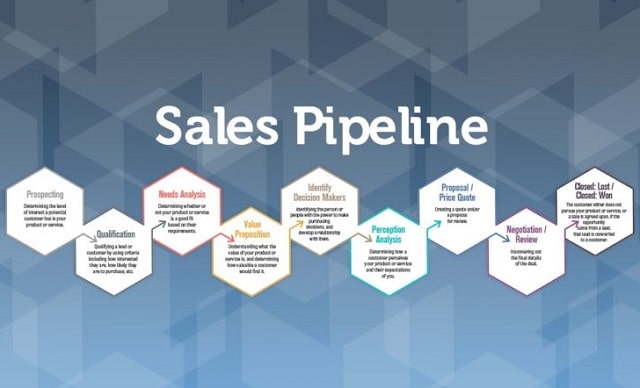
Unlocking Growth: Strategies For Building A Strong Sales Pipeline And Beyond

sales pipeline growth

Developing and maintaining a robust sales pipeline is imperative for sustained growth in the competitive business landscape. This pipeline serves as the lifeline for businesses, ensuring a consistent flow of potential customers and revenue streams. However, building such a pipeline requires a multifaceted approach, leveraging a combination of strategic planning, effective communication, and continuous optimization. 

One common pitfall in nurturing a sales pipeline is the ineffective use of marketing strategies, such as email campaigns. For instance, a poor design of email can significantly hinder the effectiveness of these campaigns, causing potential leads to disengage before they even reach the sales team. Evaluating and refining email marketing strategies with the help of professionals is crucial to ensure they resonate with the target audience and drive the desired action. 

In addition to refining email marketing strategies, below are some key strategies for building a strong sales pipeline. 

Understand The Target Market 

To truly unlock the potential of a sales pipeline, businesses must delve deep into understanding their target market. This goes beyond simple demographics to encompass a thorough analysis of behaviors, preferences, needs, and challenges that potential customers face. Comprehensive market research and data analysis allows companies to construct detailed buyer personas. These personas serve as archetypes representing the ideal customer, guiding tailored marketing and sales strategies. 

By aligning offerings with these personas' specific needs and pain points, businesses can enhance engagement and foster stronger connections with potential clients. 

Craft Compelling Value Propositions 

After identifying the target market, the crucial next step is formulating value propositions that resonate deeply with potential customers. These propositions should convey the unique benefits and differentiators of the product or service, setting it apart from the competition. 

Effective value propositions address the specific needs and desires of the target audience, highlighting how the offering can solve their problems or enhance their lives. This clarity in communication is vital in capturing prospects' interest and facilitating their journey through the sales pipeline, ultimately leading to higher conversion rates. 

Leverage Multichannel Marketing Strategies 

The modern consumer landscape is characterized by its diversity in communication channels, necessitating a multichannel marketing approach for businesses aiming to maximize their reach. This strategy encompasses a broad spectrum of platforms, from digital avenues like social media, email, and content marketing to traditional mediums such as direct mail and in-person networking events. 

To be effective, each channel must be carefully curated to present a unified, personalized message that resonates with the target audience. By adopting a multichannel strategy, businesses can ensure they meet their prospects where they are, significantly increasing the chances of engagement and conversion. 

Implement Lead Nurturing Programs 

Lead nurturing programs are essential for cultivating potential customers who are not yet ready to commit. These programs are tailored to maintain engagement with prospects by offering them relevant, valuable content and resources that cater to their evolving needs and interests. By consistently providing support and information, businesses can stay at the forefront of prospects' minds, gently guiding them through their buyer's journey. 

Effective lead nurturing fosters trust and credibility, making it more likely that when the prospect is ready to purchase, they will turn to the company that has been with them every step. 

Utilize Technology And Automation 

In the fast-paced sales world, leveraging technology and automation is non-negotiable for maintaining efficiency and competitiveness. Customer Relationship Management (CRM) systems are at the heart of this technological revolution, enabling businesses to keep detailed records of prospect interactions and progress through the sales funnel. 

Automation extends this capability by taking over routine tasks such as sending out scheduled emails and updating social media, freeing up the sales team to concentrate on more complex, high-value activities. This synergy of technology and sales efforts streamlines processes, ensuring no opportunity is missed due to oversight or human error. 

Ensure Continuous Measurement And Optimization 

The dynamism of the sales environment requires a strategy of constant vigilance and adaptability in managing the sales pipeline. Establishing and monitoring Key Performance Indicators (KPIs) allows businesses to gauge the health and efficiency of their sales processes. Analyze this data to illuminate areas of stagnation or inefficiency, pinpointing where interventions are needed. 

Also, regularly refining strategies based on empirical evidence ensures the sales pipeline remains agile, responsive to changes in the market, and aligned with organizational goals, thus safeguarding its effectiveness over time. 

Build A Sales-Focused Culture 

Creating a culture that prioritizes sales across all levels of the organization can dramatically amplify the effectiveness of the sales pipeline. This cultural shift entails aligning every team member's objectives with the broader sales goals, ensuring a unified effort toward growth. 

Investing in training and development ensures that all employees, not just the sales team, understand their role in the sales process and possess the skills to support it. Lastly, encouraging collaboration and exchanging ideas fosters a sense of ownership and commitment to the company's success, driving innovation and excellence in sales strategies. 

Takeaway 

Building a strong sales pipeline is a critical component of business growth. It requires a strategic approach that encompasses a deep understanding of the target market, compelling value propositions, multichannel marketing, lead nurturing, and the effective use of technology. Continuous measurement and optimization and a sales-focused culture ensure the pipeline remains efficient and productive. By implementing these strategies, businesses can unlock growth and secure their position in the competitive market landscape.

How To Sell An App Idea Successfully

how to sell an app idea mobile application sale steps

In this article, we will look at how to successfully sell a mobile app idea so that people will definitely be interested in you. Here is how to sell an app idea in different scenarios. 

Scenario 1 - An App Idea Was Thought Up But With No Funding 

Say you have an idea of an extraordinary mobile application, but no money to make it true. Have you heard of investors before? Though, investors are usually not that interested in an idea as such. They need a plan, a calculated approach, and a good presentation that includes market analysis. Accordingly, before you try to reach investors, you may want to take your time to elaborate on your idea step by step. You will most likely need a team of experts or, at least, a bunch of like-minded people who know how to deal with numbers (although lone warriors of developers exist too.) This sounds like you are developing a plan now. Among other things, you may want to consider the following points: 

• What the development stages are, and how much each of them will cost the investors; 

• How much time app development needs and when you'll be able to start selling; 

• Competitor apps and their marketability, as well as the advantages that help your product stand out; 

• How much the initial promo campaign will cost; 

• What potential profit your app may bring. 

This is something that you should definitely consider. When divided into said points, your idea will take on flesh and meaning for investors. Make sure you check and evaluate the stage of the initial promo campaign in an app store: the fate of your product depends on it. 

Scenario 2 - Work In Progress 

It might be a different way: say, you and your team are already working on an idea, and you need some investment. You are no longer unfounded, and this is a plus. During the pitch (or e-presentation) stage of your project, you may want to focus on the following points: 

• project development level — it's always nice to look at what you've already done; 

• team professionalism and responsibility. A promising professional as such will increase the odds of success; 

• explain the idea in detail and show the value of your app; 

• designate and justify the total amount of money needed to turn your idea into a reality. 

These are the milestones you should consider. The remaining points will overlap with those we named in the previous scenario: make sure you show the investors your market analysis report, and explain why your app is competitive. The plus is that, at the development stage, a lot becomes clearer as time goes on.

This is important to know! Show your investors that you understand how to apply marketing strategies, and tell them how you will search for an audience. Stay honest though. If you need more staff to implement your idea, just say so and include it in your budget. If you are already delivering a presentation, list what you need above and beyond.  

Scenario 3 - MVP Stage 

The MVP stage means that your product is rated as minimum viable. It is believed that it is at this stage that a startup has a chance to receive investment. Investors are interested in facts as they are profit-oriented, and they will want to see a proven minimum viable product that can be tested and used for feedback. 

How To Present Your Brainchild Right 

The answer is simple: honesty is key. Evaluate metrics sensibly, show them unit economics, and come up with a detailed marketing plan. Focus on your promotion strategy, indicate how much money you will need and for what. Tell them how you are going to monetize your app. The clearer your plans are, the more likely your chances of getting financial support from an investor will be. Therefore, do your best to think about each part of your mobile app design and sale plan. 

Where To Look For An App Investor 

The common opinion that, if an app is cool then everyone will want to buy it, is not entirely true. At least at the initial stage you shouldn’t expect the support of Google or Apple: it’s highly likely that they won’t notice you at all. Sometimes it’s not at all the bad outcome, we’ll elaborate on that below. There are many ways to find investment for your app via startup platforms, crowdfunding, and accelerators. You don’t need a thorough understanding of how those work. Just search the web for listings — and believe in your lucky star. Here are some helpful sources: 

Startup platforms are a good option to look for investment. Check out Startups.com or Gust.com. 

Business incubators and accelerators are excellent for startup projects. Check out 500Startups, Ycombinator, DreamIt Ventures, and more. 

Crowdfunding platforms like the famous Kickstarter, Crowd Supply, Ourcrowd, and others will not only bring you the necessary funds, but also help you warm up your audience if you’re promoting a game; 

Sometimes you can find useful contacts on a professional social network. LinkedIn and Xing are the most well known ones in the global community. 

So-called business angels who take great interest in young and promising developers may help you as well. You can look for their support at Angel Capital Association and Angel Investment Network. 

These are just some opportunities of many for finding funding related to your app ideas. 

Why You Don't Have To Sell Your Idea To Large Companies 

Unfortunately, app developers tend to make mistakes out of inexperience. Hoping that Facebook, Apple, etc. will buy their ideas is one of them. Devs submit their detailed plans for review through open communication channels, but little do they know that Apple and Google reserve the right to claim their generous offers as corporate intellectual property (IP). Yes, your product can be claimed as a corporate-owned one without any third-party links and, of course, without any royalties. That is, if they notice you at all. Although, in this case, they had better not. Fighting for your intellectual property rights won’t work. The same applies to any other large corporations. 

There are a couple of conclusions can be drawn from this: 

• Study various documents like code of conduct or company policy that a company has published before contacting it. 

• While you are still a no-name brand, try ways that are closer to your current status to bring your idea to life.

Why Would Your App Be Interesting For Investors? 

There are several answers. The most obvious one is, of course, profit, although not only that. Business angels, for example, usually see it like a kind of mentoring mission among other things, while other investors consider it a way to improve their good standing. You'd better not bet on it though. Keep the following idea in mind: to whom would you give money yourself? That’s who you may want to become. General app quality, a professional presentation, being open to communicate — all this makes you a viable candidate to support. 

Entrepreneurs and newbie app developers often lack faith in their product, which leads to weird actions: when they go to pitch, they show obvious flaws and rely on a lucky break. Make sure that you study the stats: they will support you in your decision to look for investment on your mobile application idea.

The Lean Startup Life Media Network Newest Blog Posts: