Showing posts with label Fintech. Show all posts

How Accessible Bank Websites Can Make Digital Banking Feel Clearer

accessible bank websites digital banking cleaner experience

Table of Contents

  1. Why Clarity Matters on Bank Websites
  2. How Design Supports Trust and Transparency
  3. Accessibility Basics Every Banking Site Should Cover
  4. Building Navigation Around Real Customer Tasks
  5. Making Key Banking Journeys Work on Small Screens
  6. Designing Better Forms, Logins, and Error Messages
  7. Connecting Digital Tools With Human Support
  8. Testing the Experience Before and After Launch
  9. A Practical 2026 Website Checklist
  10. Conclusion

Digital banking should help people make confident decisions, whether they are comparing accounts, checking a rate, applying for credit, or trying to reach support. Effective bank website design is not about adding more visual effects. It is about removing uncertainty at every important step. For banks, credit unions, and financial service providers, a clear website is part of the customer experience, not simply a marketing channel. When information is easy to understand, actions are clear to find, and support is available when needed, visitors can move forward without feeling rushed or confused.

Why Clarity Matters on Bank Websites

A banking website exists to help visitors complete tasks, not make them decode internal product categories. People may arrive to compare checking accounts, find fees, locate a branch, start an application, or sign in securely. Each path should be obvious from the first screen. Consider a visitor looking for the monthly fee on a savings account. If that detail is hidden behind promotional copy, a comparison tool, and several unclear links, the visitor may leave rather than continue. Clear labels, focused pages, and visible next steps make the experience feel more dependable.

How Design Supports Trust and Transparency

Visual polish can create a positive first impression, but it cannot replace useful information. Trust grows when a site uses plain language, clearly displays current rates and terms, provides accurate contact options, and explains security practices without jargon. Spacing, readable type, and restrained color choices also matter because financial information is often dense. Customers should be able to scan a page and quickly identify eligibility requirements, fees, deadlines, and important conditions. The best pages answer difficult questions before a customer asks them.

Accessibility Basics Every Banking Site Should Cover

Accessibility is a service standard, not a final compliance check. The principles of web accessibility support people who use screen readers, keyboards, text enlargement, voice controls, and other assistive technologies, while also improving usability for people on slow connections or small screens.

Build for different ways of using the web

  • Use sufficient color contrast and allow text to resize without breaking the layout.
  • Give links, buttons, images, and form fields descriptive labels.
  • Ensure every important action can be completed with a keyboard alone.
  • Provide captions and transcripts for video content, plus meaningful text alternatives for informative images.
  • Use accessible authentication options and give clear warnings before a session expires.
  • Make statements, calculators, downloadable forms, and other documents accessible too.

Building Navigation Around Real Customer Tasks

Navigation should reflect what customers want to do, rather than how the organization is structured. Labels such as "Save," "Borrow," "Manage My Money," and "Get Help" are usually clearer than broad labels such as "Solutions" or "Resources." A visible search function, useful breadcrumbs, and a well-organized footer give visitors multiple ways to find an answer.

A simple navigation review process

  1. List the ten tasks customers perform most often.
  2. Count the clicks, screens, and decisions required for each task.
  3. Remove duplicate routes and replace vague labels with task-focused language.
  4. Test the revised menu with people who were not involved in creating it.

Making Key Banking Journeys Work on Small Screens

A mobile experience needs more than a compressed desktop layout. Buttons need generous tap targets, forms need short, manageable steps, and important actions should remain visible as users scroll. Progress indicators can be especially helpful during account opening or loan applications. Test essential journeys on older phones and slower connections, not only on current high-end devices. Pop-ups, chat widgets, cookie notices, and security prompts should never cover rates, form fields, or sign-in controls. A visitor should be able to find help, locate a branch, review account details, and begin an application without excessive scrolling.

Designing Better Forms, Logins, and Error Messages

Forms often create unnecessary friction. Ask only for information needed at the current stage, use permanent field labels instead of placeholder-only text, and explain why sensitive details are requested. Longer applications should show progress and allow users to save where appropriate. Error messages should identify the problem and the solution. "Enter a valid phone number" is more useful than "Invalid input." When validation fails, retain the information the user already entered and move focus to the field that needs attention. Secure login flows should protect customers without making recovery, verification, or timeout messages hard to understand.

Connecting Digital Tools With Human Support

Good digital service makes human support easy to find. Depending on the institution, that may include phone support, secure messaging, chat, branch details, and appointment booking. Support pages should resolve common questions quickly, then offer a direct route to a person when self-service is not enough. Digital and in-person assistance can work together. For example, someone may begin a mortgage inquiry online, save their progress, and continue the conversation with a specialist. Ongoing discussions about access to banking services reinforce why convenient digital options and accessible person-to-person help both remain important.

Testing the Experience Before and After Launch

Testing should include customers with disabilities, people who primarily use mobile devices, and people with different levels of financial knowledge. Combine interviews and task testing with accessibility reviews, analytics, page-speed checks, and analysis of customer support requests. Track outcomes that reveal real friction, including task completion, application abandonment, search exits, form errors, mobile load times, and support contacts caused by unclear content. A redesign is successful when people encounter fewer barriers, not merely when the site looks newer.

A Practical 2026 Website Checklist

  • Can a first-time visitor find core services quickly?
  • Are rates, fees, terms, and eligibility rules easy to locate?
  • Can important tasks be completed with a keyboard?
  • Do forms have visible labels and useful error messages?
  • Does the experience work well on small screens and slower connections?
  • Are security steps explained in plain language?
  • Can customers reach a real person without searching through multiple pages?
  • Are documents, videos, calculators, and statements accessible?
  • Has the site been tested with real customers?
  • Are improvements measured after launch?

Conclusion

The strongest bank websites do not succeed because they have the most features. They succeed because they help people take the next step with less doubt. In 2026, clear content, accessible interactions, honest information, and dependable human support should work together as a single, connected banking experience. Every important task, from checking account options and understanding fees to finding support or completing an application, should feel straightforward and predictable. 

Strong navigation and plain language can reduce unnecessary confusion, while responsive design helps customers manage financial tasks across different devices. Security and privacy should also remain visible without unnecessarily complicating routine interactions. When digital tools work together with accessible support and trustworthy information, a bank website becomes more than a place to view products. It becomes a practical service channel that helps customers manage their finances with greater clarity, confidence, and control.

Empower Your Online Business With Fondy: The Future Of Automated Payouts

online business fondy automated payouts

As the digital marketplace becomes increasingly competitive, ensuring efficient and transparent payouts to partners is a priority for every two-sided platform. British entrepreneurs and marketplace owners can now harness the power of Fondy Flow — a state‑of‑the‑art fintech solution that simplifies the way you handle partner payments. 

Breaking Down Barriers With Global Payouts 

In today’s borderless economy, the ability to process international payouts is a critical advantage. Fondy Flow’s robust system supports multiple currencies and payment methods, empowering your platform to connect effortlessly with partners worldwide. This not only enhances trust but also ensures your business is ready to tackle the challenges of a global market. 

The Efficiency Of Automation 

Time is money, especially in high‐volume environments. Fondy Flow leverages automated payout technology to streamline the entire payout process. By automating routine tasks, the system reduces errors and frees up your team to focus on strategic growth initiatives. This means quicker, more reliable payments that keep your business running smoothly. 

Customised Payment Schedules For Every Business Model 

Understanding that every business has unique needs, Fondy Flow offers the flexibility of a delayed payout option. Whether you require a pause for service verification or need to manage complex commission structures, delayed payouts give you the control to align the payment process with your operational goals. 

Clarity In Cost Management 

An essential feature for any financial system is transparent fee management. Fondy Flow clearly outlines every payout fee (more here), ensuring you know exactly where your money is going. This transparency in pricing helps you maintain better control over your expenses, allowing for more predictable budgeting and financial planning. 

Easy Integration, Robust Support 

Getting started with Fondy Flow is both fast and straightforward. The platform’s user-friendly interface, combined with comprehensive API documentation, makes integration a breeze. With real-time analytics and detailed transaction reporting, you can monitor every aspect of your payout operations, ensuring that your financial processes are as efficient as possible. 

For British business owners seeking a scalable, secure, and transparent payout solution, Fondy provides an unparalleled advantage. Discover the power of streamlined partner payouts and see how Fondy’s innovative approach can elevate your online business to new heights.

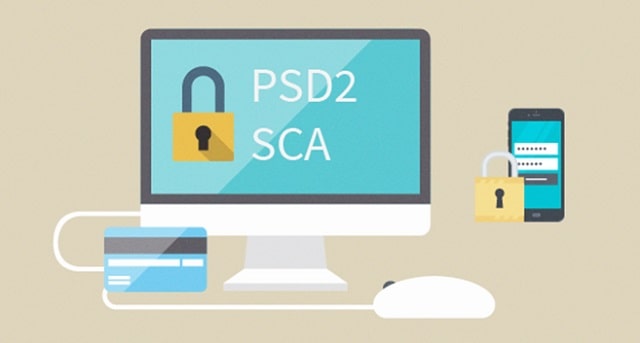
Online Banking Data Safety Overview Of PSD2 SCA

online banking data safety psd2 sca compliant European Union

We all use online banking, right? If you are living in the EU or EEA states (including Iceland, Lichtenstein, and Norway), if you have a bank account with an EU/EEA-based financial institution, you are probably using online or mobile banking. PSD2 came into play several years ago, which made it compulsory for financial institutions to enable third-party providers (TPPs) - who met PSD2's security requirements - access to the data that was available via these APIs. 

But all of these abbreviations can sound fancy, what actually matters is whether they really work, right? Is your online banking data genuinely safe, or is it just all smoke and mirrors? Let's find out! 

How PSD2 Protects Its Customers 

First, what is PSD2? PSD2 is an EU directive that was adopted a few years back. PSD2 enforces financial institutions to enable access to payment accounts to third-party providers - who meet PSD2's security requirements - via Application Programming Interfaces (APIs). 

How does this directive ensure security?  PSD2 requires that: 

• Authentication and authorization of TPPs is done in a secure and fraud-resistant way (Strong Customer Authentication or PSD2 SCA is used) 

• Transaction and data information is encrypted 

• Bank accounts' access by TPPs is logged (TPPs must establish the identity of users, perform real-time monitoring for unusual activity, and report breaches) 

These requirements are covered in PSD2's Security Requirements, which legislators enforce as part of the legal framework. They also contain other PSD2-related regulations that banks have to follow, e.g. PSD2's governance rules and PSD2's transparency rules. 

What PSD Does Not Protect Its Customers From? 

PSD2 focuses on a lot of things, but it does not focus on PSD2 itself being implemented correctly, which may lead to PSD2-specific vulnerabilities. PSD2 itself is not entirely secure. Obviously - PSD2's Security Requirements cover so much ground that it would be quite illogical to expect 100% security when these requirements are taken separately. 

What PSD seeks to protect its customers from - any TPPs who do not follow PSD2's rules. The directive technical regulations seek to protect customers from third parties who run PSD2-approved services but do not follow PSD2's rules as closely as they should. PSD2 does this by allowing banks to revoke these 3rd party providers' access to their APIs for compliant accounts and transactions. The directive seeks to ensure PSD2-specific vulnerabilities are not exploited, but PSD2 does not seek to protect APIs from itself being implemented incorrectly. 

So, in short, the SCA protects from straight-up fraud, but it does not protect from any unintentional interpretation of rules errors, that might appear on the end of the developer. 

Should You Trust Open Banking And PSD2? 

In short, we are going to say yes, you absolutely should when it comes to bank data. In any case, PSD2 is a very comprehensive directive, covering many aspects of security and governance in the financial sphere. It is considered the gold standard for the global legislation of open banking. PSD2 changes the way banking works quite significantly for its users, by opening up new ways to do business with banks and shifting towards a services-based economy. This directive seeks to ensure that your data remains under your control at all times. The enforcement of PSD2's Security Requirements in PSD2-specified ways, will ensure the process won't open doors for any entity that might exploit PSD2-specific vulnerabilities. 

In the far future, this technology might be outperformed by even more progressive solutions. But as of right now, PSD2 offers security and transparency miles ahead of what we are used to seeing in online banking. Trust it with ease for smarter online banking data protection.

The Legal Landscape Of Crypto Remittances Worldwide

legal landscape crypto remittances bitcoin compliance

In the burgeoning world of digital finance, cryptocurrency has emerged as a revolutionary force, reshaping how we think about and handle money. Among its many applications, crypto remittances stand out, offering a promising alternative to traditional banking systems. However, navigating the legal landscape of crypto remittances worldwide is a complex task, fraught with varying regulations and evolving policies. This article delves into this intricate web, helping readers understand the current state of global crypto remittance laws and their implications. 

The Global Patchwork Of Crypto Regulations 

Cryptocurrency regulation varies significantly across the globe, creating a patchwork of legal frameworks. In the United States, for example, the use of cryptocurrencies for remittances is subject to state-level money transmission laws and federal regulations, overseen by entities like the Financial Crimes Enforcement Network (FinCEN). These regulations mandate certain compliance measures, such as Know Your Customer (KYC) and Anti-Money Laundering (AML) procedures. 

Across the Atlantic, the European Union is taking strides towards a more harmonized approach. The EU’s Fifth Anti-Money Laundering Directive (5AMLD) has extended its reach to include cryptocurrency exchanges and wallet providers, bringing them under the purview of regulatory oversight. This move aims to enhance transparency and curb the potential misuse of digital currencies for illicit activities. In Asia, the landscape is even more varied. Japan stands out as a forerunner in embracing cryptocurrencies, having recognized Bitcoin as a legal payment method since 2017. Conversely, countries like China have imposed stringent restrictions on crypto transactions, including remittances in 2024. 

Emerging Trends In Crypto Remittance Solutions 

As legal frameworks evolve, so do the solutions offered in the crypto remittance space. One innovative example is the development of the crypto IBAN account on Ka.App. This service represents a significant step forward, blending the traditional banking instrument of an International Bank Account Number (IBAN) with the modernity of cryptocurrency. It allows users to send and receive funds in crypto, while still interfacing with traditional banking systems. This hybrid model could potentially bridge the gap between conventional and digital finance, offering a compliant and user-friendly remittance solution. 

The Role Of Compliance And KYC 

Compliance remains a cornerstone in the realm of crypto remittances. With the increasing adoption of cryptocurrencies, regulators worldwide are emphasizing the importance of KYC procedures. These measures are crucial in preventing money laundering and the financing of terrorism. Crypto exchanges and remittance services are increasingly implementing stringent KYC processes to align with these regulatory demands, ensuring that their operations remain transparent and lawful. 

Challenges And Future Outlook 

Despite the potential of cryptocurrencies to revolutionize remittances, several challenges persist. One significant hurdle is the issue of volatility. Cryptocurrencies can experience rapid and substantial fluctuations in value, posing a risk to both senders and recipients of funds. Furthermore, the decentralized nature of cryptocurrencies can clash with national regulatory frameworks, creating a landscape of legal uncertainty. 

Looking ahead, it is clear that the legal landscape for crypto remittances will continue to evolve. Countries and international bodies are likely to develop more refined regulations that address the unique challenges posed by digital currencies. This evolution will be crucial in fostering a secure, efficient, and inclusive global remittance system. 

Crypto Conclusion

The world of crypto remittances is at a crossroads, with its path forward shaped by an intricate mix of technology, finance, and law. Understanding the legal landscape is essential for anyone looking to navigate this space, whether as an individual, a business, or a policymaker. As solutions like the crypto IBAN account on Ka.App demonstrate, the future of remittances lies in the ability to harmonize the old with the new, creating systems that are not only innovative but also secure, compliant, and accessible. 

The journey ahead is complex with crypto remittance, but it holds the promise of a more interconnected and financially inclusive world. Keep up to date on your crypto going forward!

How Is Business Transformation Driven By Technology?

how business transformation driven by technology

Technology is central to business transformation, but not all technologies are equal. The right technologies help you build a connected digital framework that supports business process changes and meets new customer demands. However, implementing and maintaining the right technology requires some careful planning. Otherwise, you risk unexpected downtime and missed opportunities. 

GROW YOUR BUSINESS ON A LEAN BUDGET HERE

Data Analytics

As businesses seek an advantage in a rapidly changing environment, they are looking for ways to improve operations and deliver value to their customers. Digital transformation is one way to meet this need. It is a process that involves upgrading or replacing existing business processes with new, more efficient digital solutions. It can also include creating new business models and leveraging data analytics to anticipate better customer needs, market changes, and new opportunities.

Whether creating a more convenient shopping experience or providing remote monitoring for industrial equipment, modern technology enables the delivery of a wide range of services. Shohreh Abedi, EVP, Chief Operations Technology Officer, allows companies to grow while lowering costs.

To ensure your business tech transformation is successful:

1. Start by setting clear objectives and key results.

2. Align your leadership team behind these goals.

3. Make sure your employees understand how to use the new technology.

Customer Experience

Providing a great customer experience is a key to winning business, as illustrated by the high revenue generated by companies. However, creating a great experience requires a unified effort across functions, including marketing, supply chain, and human resources. General managers must ensure that all groups share responsibility for customer experiences and that their decisions are based on robust intelligence rather than gut instinct or outdated performance metrics.

The technology that drives a great customer experience can be as simple as centralized access to an online knowledge base and an omnichannel platform. Or it can be as complex as deploying cloud infrastructure that supports agile business processes and digital transformation. Partnering with azure managed service provider or similar professional services can bring in the necessary expertise and solutions to regulate these technologies. This collaboration can ensure increased operational efficiency while ensuring that technology evolves with changing business needs and customer expectations. The key is ensuring that your technology investments are aligned with your ultimate business goals.

Digital Transformation

Businesses adopt digital transformation technologies to adapt to market changes or their business model. These changes can be caused by new government regulations, the emergence of new technology, or sociopolitical changes. Businesses that can respond to these unexpected changes faster than their competitors are more likely to survive and thrive. It requires a flexible operating model that supports rapid product development, agile processes, and scalable infrastructure.

For a smooth transition to new technology, businesses must define clear goals and essential outcomes. They must also communicate these clearly to employees and provide adequate training. It could be done by providing one-on-one training, print material, and video tutorials. In addition, companies should encourage employee feedback to help identify potential issues and concerns. It will help them to prepare for any unforeseen challenges during the implementation process. It will reduce the risk of disruptions and improve employee satisfaction levels. It will also enhance the likelihood of achieving the desired business objectives.

Security

As businesses undergo a business technology transformation, they must examine how these new solutions affect their infrastructure. It involves aligning decision-making and operations to anticipate future challenges and new opportunities. In addition, business technology transformations need to be securely enabled. It means deploying a cloud-native security solution for rapid application development while providing centralized visibility into the entire business infrastructure. 

Finally, business technology transformations require a culture of collaboration and cross-functional teams that prioritize values like value and purpose. It is critical to foster agility so the company can quickly respond to any threats and disruptions. Technology drives the world in many ways, from how we communicate (like the telephone and its many updates) to the automation of production (for example, industrial and manufacturing technologies). Businesses must capitalize on these advances to attract and retain customers and increase productivity and efficiency.

3 Recent Business Trends To Consider Adopting

top recent business trends consider adopting for your company new startup strategies

Keeping your business relevant is very important for an owner in any economy. Doing so may ensure that your company can compete, especially in a highly popular market. However, staying relevant can be difficult in our current global marketplace. You may not know what changes to make in the new normal. 

So, here are three top business trends to consider adopting for your own established company or new lean startup. 

1. Remote Work 

Remote work has been steadily growing in popularity, even before the pandemic started. This is mainly due to how convenient it is. For business owners, having remote workers can result in lower utility costs. You could even get rid of your building altogether. It may also allow you to work with people who are far away, which could provide a wider net of talent. 

For employees, working at home can create more time to get other things done. It can also cut down on travel expenses. If you're worried about teamwork and collaboration, don't be. Methods like video conferencing can allow for easy communication amongst coworkers. 

2. E-commerce 

E-commerce is a trend that seems to be taking over the world of shopping. While consumers still visit stores, particularly to try clothes on, shopping online has become wildly popular. For one thing, e-commerce allows shoppers to save time, money, and energy, especially if you offer delivery. Also, e-commerce can help you reach customers from all over the world. 

If you'd like to adopt this ecommerce trend, start by sprucing up your website. Make sure it completely represents your brand. Afterward, simply add a shopping page to your site and set up a payment option. It's also highly important to constantly check your messages. If a customer has an issue on your website, you should be able to fix it immediately. A top e-commerce website is a relatively low-cost way to improve your business.

3. Various Payment Options 

In this day and age, taking cash or a card for payment may not be sufficient. Customers, especially younger ones, want to have easier options available. One thing to try is accepting online payment from services like Venmo, PayPal, Square, Samsung Pay and Apple Pay. This allows customers to limit interaction and pay through a phone. You could also accept contactless payment, which can make the process both quicker and easier. A growing number of customers now also want to pay with popular cryptocurrencies like Bitcoin, Ethereum, and Dogecoin crypto.

Whatever you decide to accept, be sure to advertise it clearly before and near your checkout and your point of sale (POS) system if you run a brick and mortar business. Otherwise, you may have a long line of people wondering how to pay or realizing at the register area that they aren't ready with the required payment method. You might even lose some customers completely if you don't accept the payment options that they prefer or have sluggish systems.

Top Trends For Big Businesses

Following business trends is an essential task for business owners. While you don't need to adopt each one, especially if a certain trend is expensive, it's important to know what you're competing against. Stay relevant and keep the future in mind.

All About The Crypterium Bank For Crypto Holdings

crypterium bank crypto holdings

From the time that humans created the bank as a safe place for people’s money, until now because of change in time, technologies, needs and world’s requirements, these traditional banks started to change. Nevertheless, currently we are facing many different types of platforms that are providing all banking services totally in online format and without any paperwork thanks to crypto blockchains

However, the global community is still improving and everyday it requires new types of ideas and features. This includes cryptocurrency banking and BSV Blockchain innovations. Payments that can be made quickly, securely, and environmentally friendly are essential in the modern fintech market.

In this article, we are writing about one of the new ideas in the banking sphere that is called Crypterium and it is a bank just for the blockchain backed cryptocurrencies. 

Crypterium Bank Features 

In a nutshell, Crypterium is a bank for cryptocurrencies that is allowing users to open the wallet in this platform just in a minute, simply buy BTC, ETH and other cryptos with their bank cards and also it is providing users free Visa cards that will allow them to withdraw money worldwide from any ATMs. It is also providing users with the best exchange rates and satisfying interest that can get the feeling of safety to its customers around the world. Users can buy, transfer and spend their cryptos with the mobile app of crypterium, totally in online format and as fast as possible. 

It should also be noted that the Crypterium Visa card is available for users in both physical and virtual format; its virtual version can be available for customers in just 20 minutes and also no fees for any type of cards that this platform is providing for its customers. Also with Crypterium platform and its special algorithm, users will be able to predict the future movements of cryptocurrencies with the facts and statistics. Worthy to say that this platform also is offering users with the loans and users can use their cryptocurrencies to access the quick loans up to $5,000. 

Reasons To Choose A Cryptereum Bank 

There are several reasons that made this platform worthy to be chosen by customers around the world. One point is about security of the platform; it is secure like a bank and flexible like a crypto and users can be relaxed because the platform is under the bank-grade security standards and custodian insurance. The next point is about the opportunities that are available in this platform that can allow users to earn. The next point is that this platform and its wallets are available and active in more than 180 countries around the world. The most important point about Crypterium is that it is providing online customer service anytime and from anywhere, totally in online format and by the mobile app, users can solve any issues.  

Learn more about cryptocurrency investing and trading in the Money Management section of the Lean Startup Life Blog. 

Crypterium Conclusion 

The idea of a bank, in all time, was important and effective in its time. The Crypterium idea to have a bank specifically for cryptocurrencies, can be counted as a new and unique idea that not only can be effective on the global community currently, but also in the future. The cryptocurrency trend will only continue to grow each year so you want to make sure you safely store and exchange your crypto consistently.

Merchant Account Fees Guide

merchant account fees guide payment charges

It's always good to know why you are paying the fees that you are for service. It opens avenues for you to understand whether or not a merchant fee is even justified. Opening a new merchant account or trying to maximize profits by minimizing expenditure require proper know-how of the fees you are being subjected to and how to save oneself from any unnecessary fees that the merchant account providers are notorious for charging their clients. 

In a nutshell, a transaction is initiated the minute the credit card credentials enter the sales terminal of a store or a business. This can be either a "card not present" or a "card present" transaction based on your business. Based on the cash that the customer pays, the account provider will charge you a certain fee. This depends on several factors, such as the bank of the customer, the bank where the merchant's account is present, and the card's issuing bank. Each provider has different ways of charging their clients. 

Below we will discuss all the various fees that a merchant can be subjected to by their provider. There are three main types of fees involved in a merchant account. They are transactional, flat, and incidental fees. Some if not all, of these fees are negotiable and can be waived off. 

Top Types Of Merchant Account Fees

Wholesale And Markup Fees 

For this, we will have to dive a little deeper into the basics of retail operations. When a merchant or shopkeeper buys their stock, they buy them at a "wholesale rate."This is when the producer gives them when they buy stuff in bulk that they have to retail later. The merchant then adds a markup. This markup caters to all the costs that are associated with the process of retail. When someone operates a retail store, they not only have to make profits out of the stock they buy, they have to make up for their operating costs and any other costs that come with selling the stock. 

Interchange Fees 

The wholesale fees typically translate to the network and Interchange fees that come with card- based transactions in terms of merchant service providers. The credit card association charges the network fees to the merchant's bank or any third party service hired by them. After that, the issuing authority of the card charges interchange fees consisting of a fixed amount and a percentage of the sale for which the transaction is being done. 

Markup Fees 

This is a similar concept to standard retail. The Markup fees are charged by the Merchant service providers on top of the interchange fees or network fees that are due to the card association and issuing bank, respectively. The markup fees are what your merchant service provider would charge for processing your transaction between the issuing bank and your bank. These fees vary across various merchant service providers. Some providers choose to disclose it while others do not. 

Transactional Fees 

These make up for the most significant portion of the merchant fees. These are based on two different things, the interchange fees or, as some card associations call it, discount rate. And secondly, a transaction fee, this part applies to any of the fees that occur during the transaction. There are wholesale and markup fees with each transaction, and there are a total of 5 types of transaction fees. They are; 

• Fees Of Interchange And Assessment: These are non-negotiable fees by the issuing bank and card association. 

• Fees of Authorization: the fee to run the transaction can be charged by the payment processor, naming it as authorization fees. 

• Fee Per Item: Other than the authorization fees, per item fees can be charged by the processor each time the merchant makes a transaction through the credit card terminal. 

• Communication Fee: Each time the credit card terminal sends or receives information from the processor or the bank, the processor may charge a fee. 

• Wireless Service's Fee: if you use a wireless network to process your transaction, you will be paying an additional wireless fee to avail of that service. 

Flat Fees 

Flat fees are fixed fees that you will be paying your payment processor. Usually, a provider charges multiple types of flat fees to the merchant, and these can be recurring, one time or annual. The types of flat fees that you can be paid are; 

• Address Verification Fees: For CNP transactions, the AVS fee applies to confirm the cardholder's address to verify the transaction. 

• Annual Service Fee: Some providers take a yearly fee for their service. 

• Batch Fee: This is the end of day transaction processing fees, and it can be per item or just a flat fee. 

• Gateway Fee: this can be charged alongside the AVS fee. And can be waived off in the case of an in-house gateway system for payments. 

• Fraud Protection And PCI Compliance Fees: This fee is payable regardless of whether you are in compliance or are not in compliance with PCI guidelines. The reason for that is to ensure that PCI compliance is maintained. 

• Fees Of Setting Up: This isn't charged by all providers and can be different based on your choice of a payment provider. 

• Statement Fee: the production and sending of the statement of the transactions performed are the statement fees. Electronic invoices can result in the waiver of such fees. 

• Terminal Fees: a merchant has two choices for a POS terminal. To sell or lease it. A merchant service provider would prefer that you rent it as it would result in their profit, and you would have to pay terminal fees. 

Incidental Fees 

Incidental fees are ones that occur on the instance of something. For example, there is a chargeback, or there is a returned item. The merchant would be liable for incidental fees by the payment processor. Types of incidental fees are; 

• Chargeback Fees: if a cardholder disputes a charge on their card and wins, there is a chargeback fee. 

• Fees on Returned Items: If a customer chooses to return an item that had been bought using a card, the processor can charge you fees to process the item's return. 

• Minimum Monthly Fees: each merchant service provider has their predetermined limit of earning from your business. If you fail to meet the hat limit, they will charge you to pay for the difference. 

Minimize Merchant Fees 

As you can see, there are many merchant fees out there. Keep this guide in mind as you navigate merchant fees and work to reduce costs during payment transactions or charges.

The Lean Startup Life Media Network Newest Blog Posts: