How To Streamline Your Business's Delivery Process

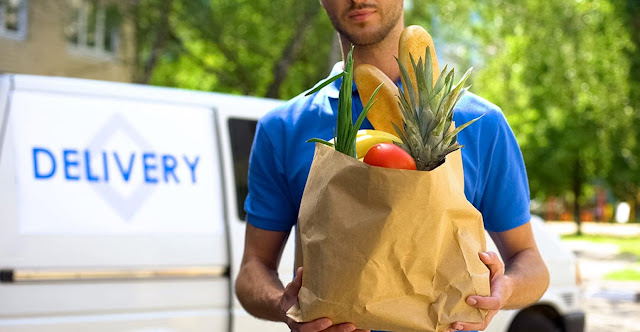
Guide To Starting A Grocery Delivery Company

Step 1: Secure Funding
Starting a grocery delivery company requires significant start-up capital to cover expenses such as equipment, inventory, marketing and advertising, and operational costs. Depending on the size and scope of your business, you may need to secure funding from investors, loans, or personal savings.
Derive your funding methods from your business plan so you aren't guessing in real time. That way you can make adequate adjustments when needed without financial surprises.
Step 2: Build Your Team
A successful grocery delivery company requires a strong, dedicated team. As you build your team, look for individuals with a verifiable work history in delivery (use services such as a Lyft employment verification to be sure). Your employees need to possess a passion for customer service and a commitment to the success of your business.
When building your team, be sure to offer competitive salaries and benefits packages, and provide ongoing training and support to help your employees succeed. A motivated and well-supported team is key to the success of your grocery delivery company.
Step 3: Launch Your Service
Once your team is in place, you are ready to launch your grocery delivery service. Start by building your website and creating a strong online presence. Utilize social media, search engine optimization, and targeted advertising to reach your target market and drive traffic to your website.
As you launch your grocer to go service, be sure to provide excellent customer service, consistently deliver high-quality products, and continuously evaluate and improve your processes. This will help you build a strong reputation and retain loyal customers.
Step 4: Continuously Evaluate and Improve Your Service
As you grow your grocery delivery company, it is essential to continuously evaluate and improve your service. Listen to customer feedback, stay up-to-date with industry trends and innovations, and strive for excellence in every aspect of your business.
In addition to regularly evaluating your service, be sure to keep track of your financial performance and make data-driven decisions to optimize your business. This will help you identify areas for improvement, make informed decisions, and ensure the long-term success of your grocery delivery company.
Step 5: Expand Your Reach
As your grocery delivery company grows and gains traction, you may consider expanding your reach to new markets or cities. This will help you increase your customer base, build your brand, and drive revenue growth.
When expanding your reach, be sure to conduct thorough market research, identify key opportunities, and develop a sound growth strategy. This will help you avoid common pitfalls and ensure the success of your expansion efforts.
Conclusion
Starting a grocery delivery company is a challenging but rewarding endeavor that requires careful planning, hard work, and a passion for serving your customers. With the right approach and a clear understanding of the essential steps involved, you can turn your groceries shipping vision into a thriving, profitable business and make a positive impact in your community.
It is an increasingly competitive industry so make sure your service innovates and provides exceptional customer service so your business survives and thrives!
How To Start A Trucking Business
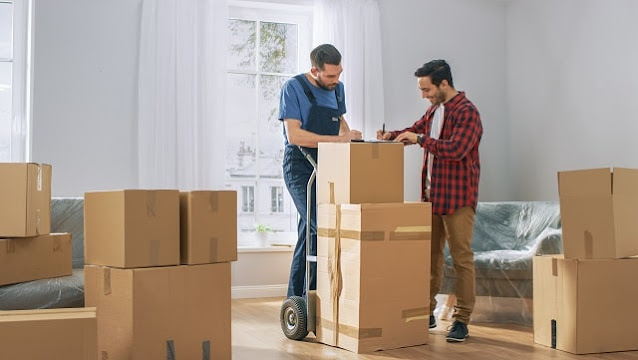
7 Tips For Smoother Moving - Move Masterfully

What Is Streamlining In Logistics?

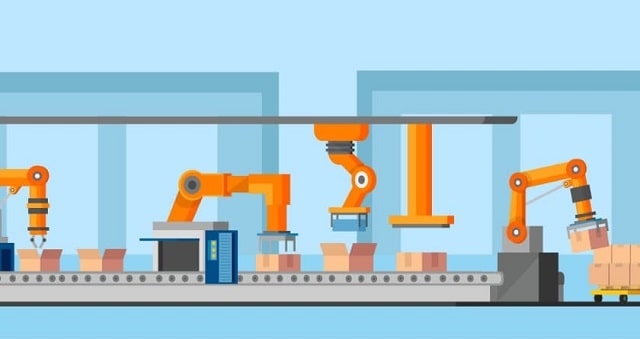
Streamlining logistics is a process that automates mundane tasks. For large eCommerce companies, this means using robotics and AI to streamline their processes. However, small and medium businesses may not have the budget to adopt such technology. In these cases, inventory scanner systems may be a better option.
Earn Major Money Online Right Here Today
Managing Reverse Logistics
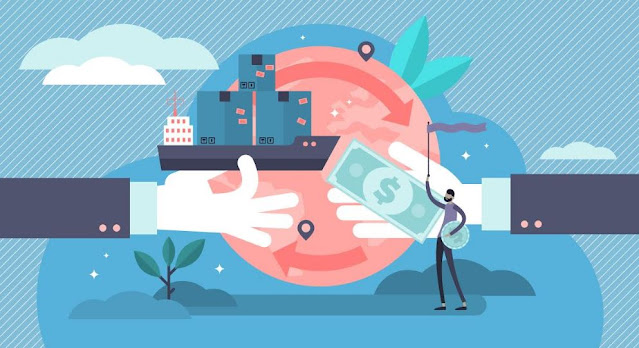
Managing reverse logistics is an increasing necessity in many industries. This process involves creating value for customers, products, and carriers. According to Remcoda, companies need to be mindful of their impact on these ecosystems to ensure they continue providing value to customers and businesses. Managing the process correctly can lead to significant benefits for companies and customers.
Reverse logistics involves tracking products throughout their life cycle and provides opportunities for supply chain optimization. It also helps businesses improve profitability by controlling supply chain expenditures. In addition, the inbound flow of returned products can be managed effectively by implementing a return policy and procedure. Such a policy will help businesses determine how to best use end-of-life products and may involve refurbishing or remanufacturing.
Importance Of Process Review
A process review is an important part of a business's strategic planning. It can help you identify your operations' weak spots and potential improvements. It can also reveal best practices. For example, a process review can be useful for new-hire training programs or activity flow mapping. It can also prove beneficial if a long-time supervisor leaves the company.
It can also serve as an opportunity for a strategic audit, leading to a logistics system redesign. It can help you align your logistics efforts with corporate needs and goals. The process can also help you formalize your strategy so that logistics considerations are included in your overall strategy formulation.
Importance Of Automating Mundane Tasks
Automating mundane tasks in logistics can increase efficiency and allow employees to focus on high-level tasks. For example, automating back-office processes helps companies track customer information and offer faster service. Automation also helps businesses minimize costs and improve ROI. Robotic process automation (RPA) automates repetitive tasks like order processing and waybill printing.
While many people associate automation with large robots on assembly lines and self-driving trucks, automation is often used to assist with smaller tasks. For example, tracking shipments is a tedious task prone to human error. With RPA, logistics companies can easily automate these routine tasks, resulting in reduced human error.
Importance of a TMS system
A TMS system is a powerful software tool that will allow you to streamline your logistics operations. Automating the necessary tasks will save you time. It will streamline the process of comparing rates and booking shipments, eliminating the need for human error that can result in mistakes. In addition, it will integrate with your ERP system, allowing you to view all your options on one screen.
Another important benefit of a TMS system is that it will allow you to manage and monitor your carriers' performance. Real-time tracking data provides the information you need to hold carriers accountable for their delivery times and keep your customers happy. It will also allow you to view the status of a shipment's arrival at its final destination and help you avoid delays due to traffic.
Importance Of Automating Order Forms
Automating order forms in the logistics sector can be very beneficial for many reasons. For starters, it can help streamline the process by reducing the time required for each step. This way, the process of fulfilling orders can be reduced from hours to minutes. It also helps improve the customer experience since there will be no delays and errors. Furthermore, it will help businesses improve customer satisfaction, visibility, and accessibility.
Another important benefit of automated order processing is the reduction of fulfillment costs. Automated order processing eliminates manual processes, including order entry and tracking. It also streamlines the process by automating tasks such as printing shipping labels and verifying orders. Automation will also save valuable time that would have otherwise been spent on the process.
Importance Of A Historical Database
Historical data is an important part of logistics and can help determine the current status of your supply chain and identify areas for improvement. It is also important for evaluating the overall performance of your logistics operation, and it can help you identify areas for future savings. If you can gather historical data from various sources, you will be better able to evaluate your logistics processes and identify opportunities for improvement.
Historical data can also help you plan your shipping strategy. For example, if you need to deliver products from a certain region to another, a historical database can help you model the costs of transporting the goods. This can help you determine the location of potential suppliers and distribution points to optimize costs. It can also help you know the effect of changing shipping rates on the costs of the goods.
5 Tips To Save Money On International Package Shipping
Shopping Habits: How A Need It Now Culture Is Shaping The Way Companies Do Business

Having a competitive edge over a rival business means staying afloat and exceeding expectations. One way to ensure you have that much needed competitive edge is to fully embrace digital transformations.
Social media and the mass adoption of digital world have progressed so much that marketing any business despite how large or big it is, has never been easier.
Super brands have redefined the way that we think about on demand services via the Internet, making it more convenient for customers to connect with each other, consume content, buy products and receive services faster than ever before.
And although brands are accustomed to shoppers demanding new products or features that better suit their changing needs, companies are having to adapt to a rapidly changing marketplace as anytime-anywhere convenience is now considered the new normal.
The rise of a ‘need it now culture’ is prevalent in Britain, and across globe, with mobile devices accelerating the trend as we check devices hundreds of times a day. The instant connection to the world – and companies within it - means that we can get hold of whatever we want, whenever we want. However, as more stuff becomes instantly available, patience levels and expectations have adjusted to suit.
These sentiments are echoed in a new study by promotional products retailer 4imprint, which reveals the true extent to which the country has become an impatient nation. Findings show:
• 84 percent of UK adults class themselves as impatient
• Nearly three quarters (73 per cent) admit they have become less patient in recent years
• 41 percent said nothing is more frustrating than wasted time
• 21 percent put their impatience down to getting bored quickly
• 18 percent said they are so used to getting things instantly from the internet they often expect it in every aspect of life
• 13 percent said they hate waiting for anything.
This is causing an unprecedented shift in the way that companies are having to do business with modern day consumers, seeing everyone having to adapt to new ways of working and at a pace consumers demand.
Evidently, technology, devices and thousands of apps now deliver instant gratification. All you need to do is tap to buy, click and collect or choose how you want it to be delivered. Brands have even set the bar higher with paid services offering deliveries within 24 hours. 4imprint.co.uk offers a next day service on its 24-hour range of promotional products.
Many companies in the UK have also added services to satisfy demand caused by social media campaigns that encourage people to buy because it’s on trend right now, with users often inspired by an influencer’s Twitter, Facebook or Instagram account.
Statistics show that the UK is home to world’s third largest ecommerce market with one in five retail transactions conducted online. The stark reality is that technology and businesses must continue to evolve quickly and will dramatically shape the way that we shop in future what with new products and services now at our fingertips.