Showing posts with label SEM. Show all posts

Startup SEO Checklist: Steps For Search Engine Success

startup seo checklist steps search engine optimization success

Launching a startup is an exhilarating journey, filled with countless challenges and opportunities. One essential aspect that can make or break your startup’s online presence is search engine optimization (SEO). By implementing the right SEO strategies, you can improve your website’s visibility in search engine results, attract organic traffic, and ultimately drive business growth. 

Google search optimization (and now GEO or AIO) is crucial for all startups big and small. In this post, we will provide you with an essential startup SEO checklist to set you on the path to search engine success. 

Define Your Target Audience And Keywords 

Before you dive into any SEO tactics, it is essential to understand your target audience and identify relevant keywords. Take the time to research and analyze your target market, their demographics, interests, and search behavior. This knowledge will guide your keyword research process, helping you discover the most relevant and valuable keywords for your startup. 

Perform Comprehensive Keyword Research 

Keyword research is the foundation of any successful SEO strategy. It involves finding the most relevant and high-traffic keywords that align with your startup’s offerings. Utilize keyword research tools like SEMrush, Google Keyword Planner, or Ahrefs to identify keyword opportunities. Or work with a digital marketing agency like Growth Foundry. Aim for a combination of short-tail and long-tail keywords that strike a balance between search volume and competitiveness. 

Optimize Your Website’s On-Page Elements 

Optimizing your website’s on-page elements is vital for search engine visibility. Some of the key-on page elements to focus on include: 

• Title Tags: Craft unique and descriptive title tags for each page, incorporating your target keywords naturally. 

• Meta Descriptions: Write compelling meta descriptions that entice users to click on your search engine listing. 

• Header Tags: Use relevant header tags (H1, H2, H3, etc.) to structure your content and improve readability. 

• URL Structure: Create SEO-friendly URLs that are concise, descriptive, and contain your target keywords. 

• Keyword Optimization: Incorporate your target keywords strategically within your content, headings, and image alt tags. 

• Internal Linking: Link relevant pages within your website to improve navigation and boost SEO. 

Create High-Quality And Engaging Content 

Content is king in the world of SEO, and startups can leverage this to their advantage. Develop high-quality, informative, and engaging content that resonates with your target audience. By addressing their pain points, answering their questions, and offering valuable insights, you can establish your startup as an authority in your niche. Publish blog posts, articles, case studies, and other content formats that align with your target keywords and audience preferences. 

Build A Strong Backlink Profile 

Building a strong backlink profile is an integral part of off-page SEO. Acquiring high-quality backlinks from reputable websites signals to search engines that your content is trustworthy and valuable. Focus on obtaining backlinks from authoritative industry publications, guest blogging opportunities, and relevant directories. Plus, it is worth leveraging your network and engaging in outreach efforts to connect with influencers and potential partners who can link back to your website. 

Optimize For Mobile Devices 

In today’s mobile-centric world, optimizing your website for mobile devices is essential. Make sure that your website is responsive and mobile-friendly to provide a seamless user experience across all devices. Mobile optimization is not only important for user satisfaction, but also a ranking factor for search engines. Pages that load quickly and display properly on mobile devices are more likely to rank higher in search results. 

Enhance Website Speed And Performance 

Website speed and performance play a significant role in both user experience and search engine rankings. Slow-loading websites can frustrate users and lead to high bounce rates. To optimize your website’s speed you can compress images, leverage browser caching, minify CSS and JavaScript files, and choose a reliable hosting provider. Regularly monitor your website’s performance using tools like GTmetrix or Google PageSpeed Insights to identify areas for improvement and implement necessary optimizations. 

Leverage Local SEO 

If your startup operates in a specific geographic location or targets a local audience, optimizing for local SEO is essential. Ensure your business information, including name, address, and phone number (NAP) is consistent across all online directories and platforms. Create a Google My Business profile to enhance your local visibility, encourage customer reviews, and appear in local search results. 

Implement Schema Markup 

Implementing schema markup is a game-changer for your website’s search engine performance. Schema markup is a structured data format that communicates valuable information to search engines, enabling them to better understand the content and context of your website. It results in enhanced search engine listings that stand out with eye-catching rich snippets. By leveraging schema markup, you can gain a competitive edge by capturing the attention of users and driving higher click-through rates. 

Monitor And Analyze Performance 

It is crucial to establish a system of regular monitoring and analysis to ensure SEO success. Tools like Google Analytics and Google Search Console provide valuable insights to help you track progress, identify strengths and weaknesses, and make data-driven optimization decisions. 

Stay Updated With SEO Trends And Algorithms 

The SEO landscape is constantly evolving, with search engines regularly updating their algorithms. It is crucial to stay up to date with the latest SEO trends, algorithm changes, and industry best practices. Follow trustworthy SEO blogs, attend relevant conferences, and engage with SEO communities to stay informed. Adapting to the changing SEO landscape will help you maintain a competitive edge and ensure your startup’s long-term search engine success. 

Monitor Competitors 

Keeping an eye on your competitor’s SEO strategies can provide valuable insights and help you identify new opportunities. Analyze their website structure, keyword targeting, content creation, backlink profile, and social media presence. By understanding what works for your competitors, you can adapt and refine your own SEO strategy to gain a competitive advantage. 

Conclusion: SEO Like A Pro

In the highly competitive startup landscape, implementing a solid SEO strategy is essential for online success. By following this startup SEO checklist, you can lay a strong foundation for your search engine optimization efforts. Remember that SEO is an ongoing process. It requires continuous monitoring, analysis, and adjustment to stay aligned with the ever-changing search engine algorithms and user behavior. Keep a close eye on your site’s performance, keyword rankings, and backlink profile and be proactive in making necessary optimizations.

SEO vs PPC: Which Digital Marketing Strategy Is Right For Your Business?

seo vs ppc

What is the most effective strategies to drive traffic, generate leads, and increase sales? Two of the most popular approaches are Search Engine Optimization (SEO) and Pay-Per-Click (PPC) advertising. While both strategies aim to boost online visibility and attract customers, they differ in cost, effectiveness, and long-term benefits. 

Choosing between SEO and PPC can be challenging, as each has its advantages and limitations. This article will break down the differences between these strategies, their pros and cons, and how to determine which approach is best for your business. 

Understanding SEO 

Search Engine Optimization (SEO) is the process of optimizing a website to rank organically in search engine results pages (SERPs). It involves several elements, including keyword research, on-page optimization, technical SEO, and link-building strategies. 

Benefits Of SEO 

1. Long-Term Results – Unlike PPC, where traffic stops when ads are turned off, SEO provides sustained visibility over time. 

2. Cost-Effective – While SEO requires investment in content creation and optimization, organic traffic does not incur direct costs per click. 

3. Credibility and Trust – Users often trust organic search results more than paid advertisements. 

4. Higher Click-Through Rates (CTR) – Organic search listings generally receive more clicks than paid ads. 

5. Competitive Advantage – Strong SEO strategies help businesses outrank competitors in search results. 

Challenges of SEO 

• Time-Consuming – Achieving high rankings takes time and consistent effort. 

• Algorithm Changes – Search engines frequently update their algorithms, affecting rankings. 

• Competitive Niche Markets – Highly competitive industries may require extensive SEO efforts to see significant results. 

Understanding PPC 

Pay-Per-Click (PPC) advertising allows businesses to display ads at the top of search engine results by bidding on specific keywords. Advertisers pay a fee each time a user clicks on their ad. 

Benefits of PPC 

• Immediate Results – PPC ads appear instantly after a campaign is launched, driving quick traffic. 

• Targeted Advertising – Ads can be customized based on demographics, location, device, and search intent. 

• Scalability – Budgets can be adjusted based on performance and business needs. 

• Greater Visibility – Paid ads appear above organic search results, increasing exposure. 

• A/B Testing Capabilities – PPC allows businesses to test different ad variations to optimize performance. 

Challenges Of PPC 

- Costly – Competitive keywords can drive up the cost per click (CPC), making it expensive over time. 

- Click Fraud Risks – Some competitors or bots may click on ads maliciously, wasting ad spend. 

- Limited Longevity – Once the campaign budget is exhausted, traffic stops immediately. 

- Ad Fatigue – Users may ignore paid ads, reducing click-through rates over time. 

Key Differences Between SEO and PPC 

When To Choose SEO 

SEO is the right choice for businesses looking for long-term growth and brand credibility. It is ideal for: 

• Businesses with a long-term vision that want sustained online presence. 

• Companies with limited budgets that cannot afford continuous ad spend. 

• Industries where organic search plays a key role in attracting customers, such as blogs, educational sites, and content-driven businesses. 

• Websites targeting informational queries, where content marketing drives traffic and engagement. 

seo vs ppc strategies

When To Choose PPC 

PPC is the best choice for businesses that need quick results and targeted traffic. It is ideal for: 

- Startups and new businesses that need immediate visibility. 
- Ecommerce businesses promoting seasonal sales or time-sensitive offers. 
- Highly competitive industries where ranking organically takes too long. 
- Local businesses wanting to attract nearby customers through Google Ads. 
- Businesses testing new products/services before investing in a full-scale marketing campaign. 

Combining SEO And PPC For Maximum Impact 

Instead of choosing between SEO and PPC, businesses can leverage both strategies to maximize their online presence. A combined approach ensures that: 

• PPC drives immediate traffic while SEO efforts build long-term authority. 
• SEO helps reduce PPC costs by ranking organically for high-cost keywords. 
• PPC provides valuable keyword data that can inform SEO strategies. 
• Both strategies work together to dominate search results, improving credibility and visibility. 

Best Practices For Implementing SEO And PPC Together 

- Use PPC Data to Optimize SEO – Analyze which PPC keywords convert well and target them in SEO strategies. 

- Test Ad Copy with PPC Before Using in SEO – PPC allows A/B testing to determine effective headlines and descriptions. 

- Bid on Branded Keywords – Protect brand search terms with PPC while maintaining organic visibility. 

- Retarget Organic Visitors with PPC – Use PPC retargeting ads to convert visitors who previously engaged with organic content. 

- Monitor Analytics and Adjust Strategies – Use data from both channels to refine campaigns and improve overall performance. 

Conclusion 

Choosing between SEO and PPC depends on your business goals, budget, and industry competition. SEO offers long-term sustainability and credibility, while PPC provides instant visibility and targeted reach. The best approach is often a combination of both, leveraging their strengths to drive immediate traffic and establish a strong organic presence over time. 

By understanding the advantages and challenges of each strategy, businesses can make informed decisions that align with their marketing objectives. Whether you prioritize organic growth through SEO or invest in PPC for quick results, the key is to continuously optimize and adapt based on performance insights.

Incorporating high-quality visuals, such as customized graphics and engaging stock images, can further enhance both SEO and PPC efforts by making content more appealing and shareable. Regardless of which strategy you choose, a well-rounded digital marketing plan that integrates both paid and organic search efforts will help maximize your online success.

The King Kong Approach To Dominating Mobile Search Rankings

how to dominate mobile search rankings

With mobile-first indexing, there is an expanding mobile phone usage across the globe; thus, high mobile search rankings mean success for businesses. A successful campaign towards making a business website rank at the top of mobile search results will drive enormous traffic, lead sales, and boost conversions. The Australian digital marketing power, King Kong, formulated and set up plans to conquer mobile search rankings concerning organisations. Here are their top five approaches: 

1. Prioritising Mobile-First Optimisation 

Today, Google uses mobile-first indexing to determine a site's ranking. In essence, the assessment of a website is now mainly based on that site's evaluation in its mobile version. According to King Kong, a quintessential option for developing websites should incorporate a mobile-responsive feature to support navigation from visitors and allow the blending of quick-loading pages and an intuitive user interface. This ensures visitors can effortlessly interact with the website, which reduces bounce rates and improves engagement with important ranking factors. 

2. Mobile-Friendly Content Strategy 

King Kong is an SEO strategy built solely on content. For example, mobile content should be short, snappy, and extremely easy to absorb. King Kong ensures the headlines are catchy but the paragraphs are of easy reading length, and finally, it optimises video and image visual elements for mobile devices. The company also puts focus on voice search optimisation, which looks into long-tail keywords and conversational phrases that relate to how mobile users search. 

3. Improving Mobile Page Speed 

The speed of a page is one of the most important factors that influence mobile search rankings. Websites that take an eternity to load are dangerously unreliable. King Kong refines speed by optimising images, browser caching, and CDNs. Speedier pages rank better and keep users happier. 

4. Leveraging Local SEO for Mobile 

Mobile users often conduct their searches based on their geographical location. This makes local SEO a very strong weapon for King Kong. Count them in the optimisation of local keywords for correct entry of business listings in search engines such as Google My Business. It even assists businesses in generating positive customer feedback to increase their footprint and credibility. 

5. Data-Driven Optimisation 

The company uses tools like Google Analytics and Search Console to monitor the performance of mobile searches, through which they can spot possibilities for improvement. Campaign refinement is done by maximising gains from user mentality understanding and search behaviour analysis. 

Finally, mobile search rankings require technical knowledge and strategic continuous optimization. King Kong focuses on a mobile-first approach, content developed for mobile use, and data insight strategies for unparalleled business success in the mobile digital landscape.

Why Online Reputation Management Is Key For Startups

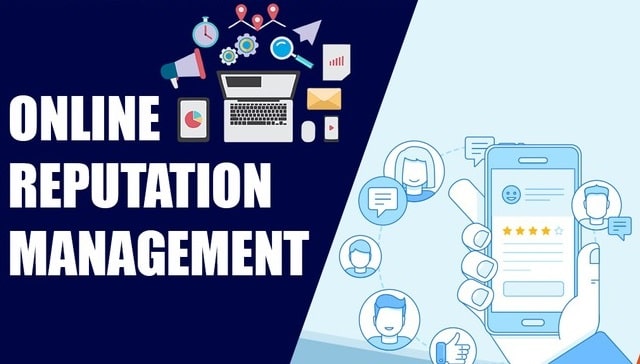
why online reputation management important for startups orm

For founders and employees involved with a startup from the get-go, forming a brand that your customers are going to want to connect with is absolutely going to be one of your first goals. And, while you may not have heard of “online reputation management”, it is a vital aspect for any business with an online presence, startups included. 

Your new startup reputation is just as important as your finances and vision. As Warren Buffett once said, it takes 20 years to build a reputation and only 5 minutes to ruin it. In this post we will run through why it is important, and how to lay the foundations with a good ORM strategy. 

When Few People Know Your Brand, Negative Sentiments Hurt 

When Amazon or Facebook receive a little bad press, it is a drop in the ocean. Heck, sometimes bad press even helps big companies (the old "any press is good press" analogy applies here). Yet, when you are a very small startup, one bad article can set you back considerably as there simply isn’t enough other information out there for people to consume when searching for you on Google or reading reviews. 

If you don’t believe me, take a look at this crazy stat from Inc Magazine that it takes roughly 40 positive reviews to erase the effects of one negative review, overall. That is a sobering statistic and all you need to know about prioritizing customer service along with ORM. 

If You Don’t Cover Enough Real Estate, You Are Vulnerable 

It is not fear mongering, just a simple fact. It is really important for your brand to be appearing at all stages of a user’s journey when they are doing their research on you. 

Take Google search for example. If somebody Googles your brand name, they are going to see your website, your Google business info, and maybe a handful of external review sites. When we talk about covering real estate in Google, we mean dominating the first page, and often the second page, of search results with “owned” assets. This could be anything from your social media pages, to third party websites reviewing your product or services, and other important social proof like that. 

How To Control Your Online Landscape As A Startup 

This kind of follows on from the previous point. You should ensure that your brand is covering a good amount of real estate to negate any potential harmful press or reviews in future. It could be as simple as setting up social media, posting regularly, and asking current or indeed former clients for reviews (always a bit awkward doing that, but trust me, it is worth it). If you don't ask, you don't get. 

If the process seems a bit daunting, there are plenty of experts who can help, at a local level too. Online reputation management services offer value in terms of earning positive press and exterminating negative search results for your brand. Specialists like this can provide best in class online reputation management strategies for local businesses and startups alike. 

When I am talking about using social media to your advantage, I am not suggesting plastering your brand on all forms of social media and hoping it will be a fix. You should do your research and figure out where your customers are, then target a few key areas. 

Once Set Up, The Process Requires Just A “Light Touch” 

Don’t wait too late to put a firm ORM strategy in place. It may involve some heavy lifting at the start, but with solid foundations, moving forward you shouldn’t need to pay much attention to ORM at all. 

Think of this when working on your business ORM. You are dominating the Google search results for your brand terms with wonderful, positive press and reviews, and any potential negative mentions of your brand simply can’t break through the wall of positivity you have created. For a young startup, that is a huge win!

Benefits Of Running Search Engine Marketing Campaigns

benefits running search engine marketing campaigns google ads sem ppc advertising

What is Search Engine Marketing? 

Search engine marketing (SEM) is a digital marketing strategy used to increase the visibility and brand recognition of a website in search engine results. 

Search engine marketing refers to both search engine optimization (SEO) and paid search advertising (PPC). However, this mainly now refers to the paid search side of things. 

Research shows that 90% of online searches are conducted by people who are near the end of their buying cycle for products and services. 

Appropriately done, SEM will get your ads in front of your target audience with content that is highly relevant to them, all for free until they click on your ad. Hiring a search engine marketing services company like Citypeak Marketing will greatly help your SEM with affordable all-inclusive packages.

With SEM, your ad is placed on the sponsored section of a search engine’s result page. It is ranked based on how much you pay for keywords (the more popular a keyword, the more expensive it is) and a ‘quality score’ or ‘ad rank’ of how relevant your ad is in relation to competitors bidding for the same keyword search term. 

Meanwhile, search engine optimization (SEO) helps your site’s ranking so that it will naturally come up higher in organic, non- paid search results. 

Using both SEM and SEO will not only increase the visibility of your ads but increase website traffic too. This also increases your chance to convert prospects into leads, especially when both your paid ads and site come up on top of any search engine results. 

While SEO takes time to grow, SEM can be done quickly enough and offers many benefits for your business. 

Both are very important tools to increase your online visibility and dominate search engine results. 

SEM Grabs The Attention Of Your Audience At The Right Time In The Buying Cycle 

Based on search engine research (including Google Ads or Bing Ads) , 90% of users know exactly what they are looking for. Otherwise, they wouldn’t have used the keywords you are showing up for. 

This means that you are getting your content and ads in front of a highly engaged target audience, who are actively looking for offers like yours – all for a low cost and without having to impose on them. 

Giving you a cost-effective channel that can start generating lead generation and conversions. 

It’s The Quickest Way To Increase Conversion Rates 

Running an SEM campaign is one of the fastest ways of increasing conversions via online advertising; it is highly flexible and configurable and can be set up in a few hours. 

Changes to search engine marketing campaigns can be done on an easily and ad-hoc, so you can tailor your website, keywords and spending around the behavior of your audiences and target market. 

It’s Easy To Measure Performance 

SEM allows for precise success tracking and in-depth campaign analysis, so you can continually optimize your keyword mix, the amount of budget you spend and the content you use. 

Whatever your goal is, you can tell exactly how much value you are generating from this marketing and advertising channel, and can therefore make more educated decisions when it comes to optimization. 

How Can I Benefit Best From Running 

Search Engine Marketing campaigns? SEM not only helps to generate qualified traffic to your websites but can increase brand awareness and conversions. 

The higher your product or service ranks in search engines; the more likely consumers will visit your website and purchase your product or service. 

For the greatest results, using a digital marketing agency will help by increasing your search rankings (ad rank and quality score) and maximize return on investment.

The Lean Startup Life Media Network Newest Blog Posts: