Showing posts with label Healthcare. Show all posts

10 Common Dental Myths You Should Stop Believing Right Now

dental myths busted

Table of Contents

  • Myth 1: Brushing Harder Cleans Better
  • Myth 2: You Only Need to See a Dentist When You’re in Pain
  • Myth 3: Sugar Is the Only Cause of Cavities
  • Myth 4: If My Gums Bleed, I Should Stop Brushing
  • Myth 5: Dental Health Doesn’t Affect Overall Health
  • Myth 6: Whitening Damages Your Teeth
  • Myth 7: Baby Teeth Don’t Matter
  • Mouthwash Can Replace Brushing
  • Natural Remedies Are Always Safer Than Dental Products
  • Cavities in Primary Teeth Don’t Need to Be Treated
  • Conclusion

Many people take their oral health seriously, but there is a lot of misinformation about what is truly beneficial for their teeth and gums. Unfortunately, believing these myths can lead to poor dental habits, unnecessary anxiety, and missed opportunities for optimal oral care. In this article, we separate fact from fiction and address the most common dental myths that may be keeping you from your healthiest smile. For expert-backed dental guidance, visit dentistsofhinsdalelake.com. Empowering yourself with accurate knowledge can save you money, save your teeth, and help you make the best choices for your family’s oral health. Let’s debunk ten dental myths that continue to circulate in popular culture and social media.

Myth 1: Brushing Harder Cleans Better

Scrubbing your teeth vigorously might feel more effective, but brushing too hard can actually damage your tooth enamel and irritate your gums. Dentists recommend using a soft-bristled toothbrush and gentle, circular motions to clean teeth effectively without causing harm. In fact, consistent gentle cleaning with proper technique removes plaque much more efficiently and is less likely to cause gum recession or increased tooth sensitivity over time. It is also important to replace your toothbrush every three months or sooner if the bristles are frayed, as worn brushes can reduce cleaning effectiveness and potentially harm your gums.

Myth 2: You Only Need to See a Dentist When You’re in Pain

Waiting for pain is a mistake. Many dental problems, such as cavities and gum disease, begin silently with no symptoms. Regular dental visits can catch these issues early and prevent emergencies, saving you discomfort and costly procedures in the long run. Preventive visits are not just for keeping teeth clean; they also include screenings for oral cancer, jaw alignment, and assessment for early signs of disease. Think of dental checkups as an investment in your future health and wellbeing.

Myth 3: Sugar Is the Only Cause of Cavities

While sugar does increase the risk of cavities, it is not the only factor. Starches from bread, crackers, and pasta can also feed harmful oral bacteria. The real culprit is frequent snacking and poor oral hygiene, which allow acid-producing bacteria to thrive. Sticky foods, whether sugary or starchy, tend to linger on teeth and are especially problematic. In addition, dry mouth or insufficient saliva, which acts as a natural cleanser, can make you more susceptible to cavities regardless of your diet. To minimize risk, limit snacks, brush after meals, and stay hydrated.

Myth 4: If My Gums Bleed, I Should Stop Brushing

Bleeding gums are often a sign of gingivitis caused by inadequate brushing and flossing. Stopping oral hygiene will make the problem worse. Instead, gently brush and floss regularly, and see a dental professional if bleeding persists. For more tips on maintaining strong gum health, consult the Centers for Disease Control and Prevention’s gum disease resource. It’s important to note that early intervention is key – healthy gums are less likely to bleed, and, over time, improved oral hygiene typically reduces or eliminates bleeding. Avoid “picking” at gums or brushing aggressively if they are sore, but don’t abandon your routine care.

Myth 5: Dental Health Doesn’t Affect Overall Health

Oral health plays an important role in overall wellness. Gum disease is linked to conditions like heart disease, diabetes, and respiratory infections. By protecting your mouth, you are also helping protect your whole body. Studies by the American Heart Association reinforce the connection between oral health and systemic health outcomes. Chronic inflammation, such as that caused by untreated gum disease, has been shown to have widespread effects on the body, potentially increasing the risk of serious, long-term illnesses. Practicing good oral hygiene is one of the simplest ways to enhance your general health, especially for individuals with chronic conditions or compromised immune systems.

Myth 6: Whitening Damages Your Teeth

Professional teeth whitening is safe when performed or supervised by a dentist. Over-the-counter treatments may cause temporary sensitivity but do not cause permanent damage if used properly. Avoid homemade remedies like lemon juice or baking soda, which can erode enamel. In addition, it’s wise to speak with your dental provider about the best whitening option for your situation, as some stains and discoloration may be signs of underlying dental concerns that need professional attention rather than cosmetic intervention. If sensitivity is a concern, special toothpaste and in-office treatments are available to minimize discomfort while achieving a brighter smile.

Myth 7: Baby Teeth Don’t Matter

Baby teeth are essential for speech development, proper chewing, and holding space for adult teeth. Neglecting them can lead to pain, infections, and misaligned permanent teeth that may require expensive orthodontics to correct. Caring for baby teeth with regular dental cleanings and proper oral hygiene also helps instill lifelong healthy habits in children and builds positive experiences with dental care. Early loss of baby teeth due to decay can cause adjacent teeth to drift into the space left by the missing teeth, making it more difficult for permanent teeth to come in straight and healthy.

Mouthwash Can Replace Brushing

Mouthwash is a great complement to brushing and flossing, but it cannot remove plaque or clean between teeth. It freshens breath, but daily brushing and flossing remain critical for removing bacteria and maintaining oral health. Antibacterial and fluoride mouthwashes are most effective when used alongside, not instead of, mechanical cleaning. If you have specific dental concerns, such as dry mouth, cavities, or gum disease, your dentist may recommend a specific type of mouthwash to support your oral health best. Remember, mouthwash alone is not sufficient for thorough cleaning.

Natural Remedies Are Always Safer Than Dental Products

Not all DIY or natural solutions are safe or effective for teeth. Charcoal, lemon, and vinegar, which are popular on social media, can damage enamel and irritate gums. Always ask your dentist before trying new oral health trends. Most dental products are thoroughly tested for safety and efficacy, whereas unregulated home remedies lack scientific backing and can sometimes worsen dental problems. While some natural ingredients can be beneficial, such as xylitol or coconut oil, they should be used only as recommended and never as a replacement for professional dental care or fluoride-based products, which are supported by extensive clinical research.

Cavities in Primary Teeth Don’t Need to Be Treated

Untreated cavities in baby teeth can cause pain and spread infection to other parts of the mouth or body. Treating decay in primary teeth is important for your child’s overall health and the proper development of their adult teeth. In some cases, untreated cavities can affect nutrition, speech, and social development, contributing to missed school days and reduced confidence. Early intervention and teaching good oral practices can prevent complications and form the foundation for a lifetime of healthy smiles.

Conclusion

Being proactive about your oral health starts with separating facts from commonly held myths. Regular dental visits, thorough home care, and evidence-based practices will protect your smile for life. If you have questions or concerns about your dental habits, schedule a visit with a trusted professional to get advice tailored to your needs. As dental research continues to advance, staying informed about new findings and recommendations is crucial for maintaining optimal oral and overall health. Consider asking your dentist about the latest preventive strategies and products that may benefit your specific situation. Remember that educating yourself and your family about the importance of oral care not only promotes physical well-being but also boosts confidence in your smile. Small, daily routines, such as brushing twice a day for two minutes, flossing once daily, and eating a balanced diet, can have a monumental impact. By confronting myths and relying on credible information, you can take control of your dental destiny and ensure a lifetime of strong, healthy teeth and gums.

The Statute Of Limitations For Personal Injury Claims In Texas

statute limitations personal injury claims

Key Takeaways

  • Texas generally provides a two-year statute of limitations for most personal injury claims.
  • Exceptions to this rule can apply, especially for minors, medical malpractice, or government-related claims.
  • Missing the legal deadline could forfeit your right to compensation, making prompt action and legal consultation crucial.
  • Working with a qualified personal injury attorney can ensure your claim is filed on time and that your rights are protected.


Table of Contents

  • What Is the Statute of Limitations?
  • The Two-Year Rule in Texas
  • Exceptions to the Statute of Limitations
  • Steps to Take After an Injury
  • Why Timeliness Matters in Texas
  • Conclusion


What Is the Statute of Limitations?

The statute of limitations is a law that establishes a deadline for initiating legal action after suffering harm. In Texas, this rule aims to ensure that personal injury claims are prosecuted while the evidence is fresh and witnesses are available. In essence, if you wait too long to file a lawsuit after sustaining an injury, the court is likely to reject your case entirely. This underscores the importance of investigating your options and consulting with a personal injury attorney soon after your accident. Failing to act within the statute of limitations also means you lose leverage in negotiations, potentially eliminating your right to fair compensation. This is a risk in every type of personal injury case, from car accidents and slips and falls to construction injuries and more. It is important to understand that “statute of limitations” is a foundational concept in American law that protects both plaintiffs and defendants. While it ensures that injured parties move quickly to resolve disputes, it also prevents stale claims where evidence may no longer be reliable or readily available. By setting a clear deadline, Texas law encourages all parties to work efficiently and maintains the integrity of the legal process.


Additionally, statutes of limitations may differ for civil and criminal cases; the personal injury deadlines discussed here differ from those in criminal proceedings. This makes it crucial to identify the type of case you may have and to follow the timeline specific to your claim closely. Under Texas law, the statute of limitations for the vast majority of personal injury claims is two years from the date of the incident. This covers car accidents, premises liability, product liability, and other negligence-based injuries. For example, if you were hurt in a car crash on January 1, 2024, you would generally have until January 1, 2026, to file your lawsuit in civil court. The countdown typically starts from the date the injury occurred—not necessarily from when you discovered the injury, unless a special exception applies. These deadlines are rigid, and Texas courts very rarely grant extensions. For more details on the Texas Civil Practice and Remedies Code, visit resources like FindLaw.


There are limited scenarios that may pause or “toll” the statute of limitations. For instance, the clock may be paused if the defendant leaves the state, conceals their identity, or if the plaintiff has a disability that prevents filing. However, such tolling is rare and strictly interpreted by the courts. From a practical standpoint, acting swiftly after an accident helps ensure that witnesses can be located and their memories are fresh, physical evidence remains intact, and documentation is easier to gather. In some situations, waiting even a few months to begin building your case can severely weaken it, underscoring the importance of consulting with a legal professional as soon as possible after an injury.


Exceptions to the Statute of Limitations

There are exceptions to the general two-year limit, but they are specific and must meet legal criteria. Some key exceptions include:

  • Minors: If the injured person is under 18, the statute of limitations does not begin until they reach adulthood.
  • Medical Malpractice: In cases involving medical malpractice, the rule may be modified if the injury was not immediately discoverable. However, a separate “statute of repose” may cap claims at ten years, regardless of discovery.
  • Government Entities: If your injury involves a Texas governmental body, strict notice requirements and shorter deadlines may apply, sometimes as little as six months from the date of injury.
  • Discovery Rule: In rare cases, if an injury is not discovered right away, the clock may start ticking from the day the injury was reasonably identified.

Consulting with experienced legal counsel is essential to understand which deadline applies to your situation and to avoid costly procedural errors.

Complex fact patterns can invoke additional exceptions, such as in cases involving mental incapacity, fraudulent concealment by the defendant, or mass torts with long-term exposure to harmful substances. Legal professionals can provide important guidance about whether your specific circumstances might realistically extend or pause the standard filing deadline.


Steps to Take After an Injury

If you are hurt due to someone else’s negligence in Texas, acting quickly not only protects your legal rights but may also increase your chances of securing fair compensation. Here are vital steps to consider:

  1. Seek prompt medical attention for documentation and treatment of your injuries.
  2. Collect all relevant evidence such as photographs, accident reports, and witness information.
  3. Report the incident to the proper authorities or the property owner as required by law.
  4. Consult with a legal professional without delay to discuss your options and filing deadlines.


For a national perspective on personal injury legal trends and advice, Nolo provides well-established legal resources. Additionally, consider keeping a personal injury diary to record your symptoms and how the injury has affected your daily life. This can be invaluable in proving damages, especially in cases where pain and suffering or emotional distress are substantial. Clear documentation helps your legal counsel build a stronger, more persuasive case on your behalf. Finally, avoid posting about your accident or injury on social media. Insurance companies and defense lawyers may monitor your accounts and use any public statements or images to dispute your claim or minimize your damages.


Why Timeliness Matters in Texas

Missing the statute of limitations does more than endanger your legal rights, as it typically extinguishes your ability to recover compensation for your medical bills, lost wages, pain and suffering, and other damages. Insurance companies and opposing parties know this; they may delay negotiations in hopes that you miss your filing deadline. Taking timely action ensures you keep all procedural leverage and maximizes your chance of a favorable resolution. It’s important to recognize that timeliness is not just about protecting your right to sue; it is also a vital strategic element in negotiations with insurance adjusters and defense attorneys. If the opposing party realizes that you’re approaching the end of your statutory window to file suit, they might make lowball settlement offers or refuse to negotiate altogether. Beginning the legal process soon after your injury signals seriousness and preparedness, both of which can lead to better settlement outcomes. Furthermore, filing your claim on time preserves your ability to pursue all available compensation, including reimbursement for medical expenses, rehabilitation, long-term care, loss of future earning capacity, and non-economic damages such as loss of enjoyment of life. If you're unsure how the statute of limitations impacts your potential case, an early case review with an attorney can help clarify your position and inform your next steps.


Conclusion

The two-year statute of limitations for personal injury claims in Texas is strict, leaving little room for error or delay. With a few exceptions, waiting longer than two years to pursue legal action will usually bar your claim. If you or a loved one has been injured, acting quickly with the help of a knowledgeable attorney can make all the difference in protecting your rights and securing justice. Remember, time is one of the most critical assets you have after an injury; use it wisely. It is also worth noting that legal timelines and requirements can change. Keeping abreast of any legislative updates or recent court decisions is critical, especially if your injury situation falls within a gray area of the law. Staying proactive and informed means you won’t allow a procedural technicality to jeopardize your claim. When in doubt, timely consultation with qualified legal professionals remains the best path forward.

9 Mistakes To Avoid After Getting Injured In An Accident

mistakes avoid after getting injured accidents

Key Takeaways

  • Immediate actions after an accident can significantly impact your health and legal rights.
  • Avoiding common mistakes helps protect your potential injury claim.
  • Seeking experienced legal advice is essential in safeguarding your future.
  • Documentation and timely reporting are critical following any accident.

Introduction

Suffering an injury in an accident can be a life-changing experience. In the chaotic aftermath, it is easy to make mistakes that can harm your health, finances, and legal rights. Understanding and avoiding the most common pitfalls helps you recover both physically and financially. If you are unsure what to do next, contacting an attorney immediately, such as quinnlawyers.com, can make all the difference.

In the moments following an accident, clear thinking is often replaced by pain or confusion. Many people unknowingly jeopardize their claims or fail to safeguard their future. Being proactive and informed is essential. In this article, we will cover the 9 most crucial mistakes to avoid so you can protect your rights and begin the road to recovery after an accident.

Not Seeking Immediate Medical Attention

Failing to get medical help right away is one of the most common and most damaging mistakes people make after an accident. Some injuries, such as concussions or internal bleeding, are not immediately visible and can worsen over time. Delaying treatment puts your health at risk and can weaken your claim, as insurance companies may argue that your injuries are not accident-related. Prioritize your health by seeking medical attention as soon as possible, even if you do not feel seriously injured.

Failing to Report the Accident

Regardless of the type of accident, car crash, slip-and-fall, or workplace incident, it is essential to report it to the proper authorities right away. In auto accidents, a police report provides an objective record. In the event of a work-related incident, notify your supervisor and complete any required forms promptly. This documentation establishes that the incident occurred and preserves the evidence needed for any future claim.

Admitting Fault Too Soon

After an accident, avoid making statements about who was at fault until all the facts are known. Saying things such as "I'm sorry" or "It was my fault" can be used against you in legal proceedings or by insurance companies. Stick only to the facts when talking to police, other parties, or insurance representatives, and consult with an attorney before making any formal statements.

Not Documenting the Scene

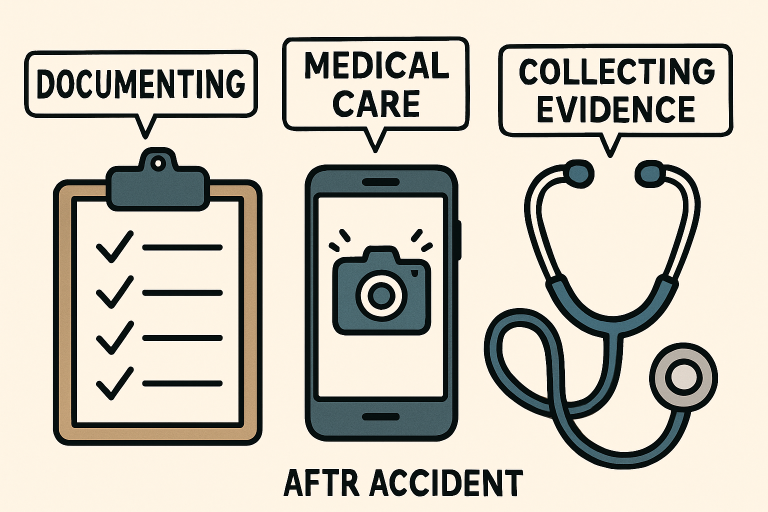
Proper documentation is vital for protecting your interests. Take photos and videos of the accident scene, your injuries, property damage, road conditions, and any other relevant details. Collect names and contact information of witnesses. Good documentation creates a reliable record and can support your version of events if disputes arise later. A simple smartphone is often all you need to gather crucial evidence.

Neglecting thorough documentation is a frequent misstep. According to health experts from the Mayo Clinic, fast and accurate record-keeping can aid both physical and legal recovery following an accident.

mistakes avoid getting injured accidents

Neglecting Follow-up Medical Care

Some injuries may require ongoing care or rehabilitation. Skipping follow-up appointments or failing to adhere to your treatment plan can be interpreted as a sign that your injuries are not severe. This can negatively affect the compensation you receive in a personal injury claim. Always follow medical advice and keep records of treatments and appointments.

Discussing the Case on Social Media

Sharing details about your accident, injuries, or recovery process on social media may seem harmless, but it can backfire. Insurance adjusters and opposing lawyers search for posts or photos that contradict your claim. Even a seemingly innocent status update or picture can be misconstrued and used to challenge the legitimacy of your injuries. Keep all case details private and instruct family or friends not to post anything related to the case.

Signing Documents Without Legal Review

Insurers or opposing parties may present settlement offers or waivers soon after an accident. You may be pressured to sign documents quickly, sometimes with promises of prompt payment. Signing any paperwork without legal review can lead to forfeiting your right to fair compensation. Always have documents reviewed by your attorney to ensure your interests are protected.

Failing to Contact an Attorney

Navigating the aftermath of an accident can be overwhelming. Attorneys offer essential guidance, help you understand your rights, and can negotiate with insurers on your behalf. Even if your case seems straightforward, legal advice is invaluable for preventing mistakes. If you hesitate to contact a lawyer due to financial concerns, remember that many injury attorneys work on a contingency basis, meaning you pay no fees unless your case is successful.

Settling Too Quickly

The urge to accept an early settlement can be strong, especially when facing medical bills and lost income. However, initial offers from insurers are rarely sufficient to cover the full extent of your damages and future needs. Once a settlement is signed, you usually cannot seek additional compensation. Take time to accurately assess your injuries and consult with an attorney before accepting any settlement offer.

Final Thoughts

Accidents can turn your life upside down, but knowing which mistakes to avoid can help you make informed decisions during a stressful time. Seeking immediate care, documenting your experience, maintaining privacy, and consulting legal experts are all vital steps for protecting your rights and well-being. Do not let preventable errors jeopardize your recovery or your case. If you need help after an accident, consult a qualified personal injury attorney as soon as possible for the best chance at a fair resolution.

Understanding The Ozempic Lawsuit Link To Potential Pancreatitis

ozempic lawsuit link potential pancreatitis

As diabetes management medications have continued to evolve, so too have the legal conversations surrounding them. One such medication, Ozempic, has been the subject of scrutiny due to allegations linking its use to the development of pancreatitis in some patients. This article aims to delve into the details of the ongoing Ozempic Lawsuit Pancreatitis, exploring the allegations, the science behind the medication, and what it might mean for patients. Below, we will provide an in-depth analysis of the case, decode the legal jargon for the layperson, and offer guidance for those who might be affected. 

Ozempic's Mechanism Of Action And Its Implications On Pancreatic Health 

Ozempic works by mimicking the incretin hormone GLP-1, which aids in regulating blood sugar by stimulating insulin release and suppressing glucagon secretion after meals. Its role as a GLP-1 receptor agonist makes it an effective medication for managing type 2 diabetes, but the same mechanism that helps control blood sugar levels may inadvertently affect pancreatic health. The alleged link between Ozempic and pancreatitis has raised questions about the broader implications of its mechanism of action on the pancreas. 

Furthermore, when patients develop pancreatitis, the condition can compromise their ability to manage diabetes effectively, leading to a cascade of health issues. The inflammation caused by pancreatitis might disrupt the organ's ability to produce insulin and other important hormones, compounding the challenges of diabetes management. This intersection of drug-induced risks and the primary condition it aims to treat forms a significant point of debate within the lawsuit. 

Experts in endocrinology and pharmacology are often called upon to provide insight into the likelihood of Ozempic causing pancreatitis. These professional opinions are crucial components of the legal process, helping to translate complex medical science into accessible information for juries and judges. As the case progresses, the testimony of these experts will be instrumental in shaping the legal outcomes and our understanding of the medication’s safety profile. 

Legal Perspectives: Examining The Precedents And Current Litigation Trends 

The landscape of pharmaceutical litigation is not new to controversies related to adverse drug reactions. Previous lawsuits have set precedents that inform the current legal approaches to cases like the Ozempic lawsuit. However, each case presents unique challenges and requires an assessment of the details surrounding the drug, its effects, and the legal context. Analyzing past and current trends in litigation offers insight into how the legal system may respond to the allegations against Ozempic. Key in these proceedings is the concept of "failure to warn", a legal claim under product liability law that holds manufacturers responsible for properly informing consumers about the potential risks of their products. To succeed in such claims, plaintiffs must demonstrate that the manufacturer knew or should have known about the risks and neglected to communicate them effectively. This often involves a meticulous review of regulatory filings, internal communications, and marketing materials. 

As more cases are consolidated and proceed through the legal system, they may culminate in mass tort litigation or multidistrict litigation (MDL), where similar claims are grouped to streamline the pre-trial process. This approach allows for efficiency and consistency in handling numerous cases with common legal and factual issues. The implications of the Ozempic litigation, therefore, reach far beyond individual plaintiffs, potentially influencing regulatory standards and industry practices on a broader scale. 

What Patients Need To Know: Recognizing Symptoms And Seeking Legal Advice 

For individuals taking Ozempic or similar diabetes medications, awareness of the symptoms of pancreatitis is crucial. The condition often manifests with upper abdominal pain, nausea, vomiting, and potentially more severe complications if left untreated. Patients experiencing these symptoms should seek immediate medical attention. Additionally, this situation highlights the importance of patients having candid conversations with their healthcare providers about the risks and benefits of their medications. 

Beyond health concerns, patients affected by potential side effects like pancreatitis must navigate a complex legal landscape. Seeking legal advice from attorneys specializing in pharmaceutical litigation can provide clarity on the rights and options available. These legal experts can evaluate individual cases, advise on the possibility of joining a lawsuit, and guide through the process of seeking compensation for damages resulting from adverse drug reactions. 

Overall, the Ozempic lawsuit underscores the delicate balance between the benefits of modern medications and the duty to safeguard public health. As the legal proceedings unfold, they remind us of the need for vigilance in monitoring the side effects of medications and the importance of accessible legal recourse for those adversely affected. For many patients, the course of this legal saga will be more than a matter of interest—it could be a pivotal moment in ensuring justice and the integrity of patient care.

Wellness Entrepreneurs: The Best Start-Ups Focused On Health

wellness entrepreneurs best startups focused on health

In recent years, the health and wellness industry has witnessed a remarkable surge in demand, driven by an increasing awareness of the importance of maintaining a healthy lifestyle. This trend has paved the way for innovative start-up businesses that cater to diverse health needs, from fitness and nutrition to mental well-being and rehabilitation. As the demand for people requiring urgent rehab continues to rise, substance abuse equally continues to grip individuals' lives. As the health sector continues to expand, there are several promising start-up ideas that not only contribute to individual well-being but also present lucrative business opportunities. 

1. Telehealth Services 

The rise of telehealth services has transformed the way healthcare is delivered. These platforms allow patients to consult with healthcare professionals remotely, making it easier for individuals to access medical advice without the need to visit a clinic. According to a report from McKinsey, telehealth usage has stabilised at levels 38 times higher than before the pandemic, demonstrating its growing acceptance among consumers. Start-ups that offer telehealth solutions, particularly in areas such as mental health counselling, chronic disease management, or preventative care, are well-positioned for success in this evolving landscape. 

2. Personalised Nutrition Plans 

As consumers become more health-conscious, the demand for personalised nutrition plans has skyrocketed. Start-ups that utilise technology to create tailored meal plans based on an individual’s health goals, dietary preferences, and nutritional needs are gaining traction. These businesses often employ registered dietitians and nutritionists to provide expert guidance, ensuring that clients receive the support they need to achieve their health objectives. Additionally, integrating app-based tracking features can enhance user engagement and adherence to dietary recommendations. 

3. Fitness Tech And Wearables 

The fitness tech sector has exploded in popularity, with smartwatches, fitness trackers, and mobile applications leading the charge. Start-ups that develop innovative fitness technology, such as wearable devices that monitor heart rate, sleep patterns, and activity levels, are appealing to a wide audience eager to optimise their health. Moreover, companies that create fitness apps offering virtual workouts, personalised coaching, or community challenges can tap into the growing trend of home fitness, especially in light of the pandemic's long-lasting effects on exercise habits. 

4. Mental Health Platforms 

Mental health awareness has gained significant momentum in recent years, leading to a surge in start-ups focused on providing mental health resources and support. Platforms that offer online therapy, mindfulness training, or mental health assessments cater to a growing audience seeking accessible and affordable mental health care. Start-ups like Urgent Rehab can also incorporate mental health services into their offerings, recognising the importance of holistic recovery for individuals undergoing rehabilitation. By addressing both physical and mental health, these businesses can provide comprehensive support to their clients. 

5. Health-Focused Meal Delivery Services 

With busy lifestyles becoming the norm, health-focused meal delivery services have emerged as a convenient solution for individuals seeking nutritious options without the hassle of meal prep. Start-ups that provide fresh, organic, and balanced meal kits or ready-to-eat meals can attract health-conscious consumers looking to save time while maintaining a healthy diet. By offering options that cater to specific dietary needs, such as vegan, gluten-free, or keto, these businesses can differentiate themselves in a competitive market. 

6. Wellness Retreats And Experiences 

As people increasingly prioritise self-care and mental well-being, wellness retreats and experiences have gained popularity. Start-ups that organise health-focused retreats, offering activities such as yoga, meditation, and nutrition workshops, can tap into the growing desire for holistic wellness experiences. These retreats not only provide relaxation and rejuvenation but also educate participants on maintaining a healthy lifestyle long after they return home. Collaborating with health professionals to design programmes can further enhance the credibility and appeal of these ventures. 

7. Health Coaching Services 

Health coaching is an emerging field that focuses on guiding individuals toward achieving their health and wellness goals. Start-ups that offer personalised coaching services can help clients navigate lifestyle changes, from weight loss and fitness to stress management and chronic disease prevention. By providing ongoing support and accountability, health coaches empower individuals to make sustainable changes that positively impact their overall well-being. This model can be effectively scaled through online platforms, allowing coaches to reach a broader audience. 

8. Elderly Care Solutions 

With an ageing population, there is a growing need for start-ups that focus on elderly care. Innovations in this sector can include technology-driven solutions that assist with daily living activities, remote monitoring systems for health tracking, or social platforms that connect seniors with caregivers and community resources. Start-ups that prioritise the health and well-being of older adults can make a significant impact while addressing a pressing societal need. 

The health and wellness industry is ripe with opportunities for start-ups that focus on innovative solutions to improve individual well-being. From telehealth services and personalised nutrition plans to mental health platforms and elderly care solutions, the potential for growth in this sector is immense. Companies like Urgent Rehab highlight the importance of accessible rehabilitation services, demonstrating that addressing health needs can lead to both improved quality of life and profitable business ventures. As consumers continue to prioritise their health, entrepreneurs who recognise and respond to these trends will be well-positioned to thrive in the evolving landscape of health-focused start-ups.

The Ozempic Lawsuit Link To Potential Pancreatitis

ozempic lawsuit pancreatitis litigation weight loss medication pancreas inflammation

As diabetes management medications have continued to evolve, so too have the legal conversations surrounding them. One such medication, Ozempic, has been the subject of scrutiny due to allegations linking its use to the development of pancreatitis in some patients. This article aims to delve into the details of the ongoing Ozempic Lawsuit Pancreatitis, exploring the allegations, the science behind the medication, and what it might mean for patients. Below, we will provide an in-depth analysis of the case, decode the legal jargon for the layperson, and offer guidance for those who might be affected. 

Ozempic's Mechanism Of Action And Its Implications On Pancreatic Health 

Ozempic works by mimicking the incretin hormone GLP-1, which aids in regulating blood sugar by stimulating insulin release and suppressing glucagon secretion after meals. Its role as a GLP-1 receptor agonist makes it an effective medication for managing type 2 diabetes, but the same mechanism that helps control blood sugar levels may inadvertently affect pancreatic health. The alleged link between Ozempic and pancreatitis has raised questions about the broader implications of its mechanism of action on the pancreas. 

Furthermore, when patients develop pancreatitis, the condition can compromise their ability to manage diabetes effectively, leading to a cascade of health issues. The inflammation caused by pancreatitis might disrupt the organ's ability to produce insulin and other important hormones, compounding the challenges of diabetes management. This intersection of drug-induced risks and the primary condition it aims to treat forms a significant point of debate within the lawsuit. 

Experts in endocrinology and pharmacology are often called upon to provide insight into the likelihood of Ozempic causing pancreatitis. These professional opinions are crucial components of the legal process, helping to translate complex medical science into accessible information for juries and judges. As the case progresses, the testimony of these experts will be instrumental in shaping the legal outcomes and our understanding of the medication’s safety profile. 

Legal Perspectives: Examining The Precedents And Current Litigation Trends 

The landscape of pharmaceutical litigation is not new to controversies related to adverse drug reactions. Previous lawsuits have set precedents that inform the current legal approaches to cases like the Ozempic lawsuit. However, each case presents unique challenges and requires an assessment of the details surrounding the drug, its effects, and the legal context. Analyzing past and current trends in litigation offers insight into how the legal system may respond to the allegations against Ozempic. Key in these proceedings is the concept of "failure to warn", a legal claim under product liability law that holds manufacturers responsible for properly informing consumers about the potential risks of their products. To succeed in such claims, plaintiffs must demonstrate that the manufacturer knew or should have known about the risks and neglected to communicate them effectively. This often involves a meticulous review of regulatory filings, internal communications, and marketing materials. 

As more cases are consolidated and proceed through the legal system, they may culminate in mass tort litigation or multidistrict litigation (MDL), where similar claims are grouped to streamline the pre-trial process. This approach allows for efficiency and consistency in handling numerous cases with common legal and factual issues. The implications of the Ozempic litigation, therefore, reach far beyond individual plaintiffs, potentially influencing regulatory standards and industry practices on a broader scale. 

What Patients Need To Know: Recognizing Symptoms And Seeking Legal Advice 

For individuals taking Ozempic or similar diabetes medications, awareness of the symptoms of pancreatitis is crucial. The condition often manifests with upper abdominal pain, nausea, vomiting, and potentially more severe complications if left untreated. Patients experiencing these symptoms should seek immediate medical attention. Additionally, this situation highlights the importance of patients having candid conversations with their healthcare providers about the risks and benefits of their medications. 

Beyond health concerns, patients affected by potential side effects like pancreatitis must navigate a complex legal landscape. Seeking legal advice from attorneys specializing in pharmaceutical litigation can provide clarity on the rights and options available. These legal experts can evaluate individual cases, advise on the possibility of joining a lawsuit, and guide through the process of seeking compensation for damages resulting from adverse drug reactions. 

Overall, the Ozempic lawsuit underscores the delicate balance between the benefits of modern medications and the duty to safeguard public health. As the legal proceedings unfold, they remind us of the need for vigilance in monitoring the side effects of medications and the importance of accessible legal recourse for those adversely affected. For many patients, the course of this legal saga will be more than a matter of interest—it could be a pivotal moment in ensuring justice and the integrity of patient care.

What AHCCCS Insurance Plans Cover Mental Health Treatment In Arizona?

ahcccs insurance plans mental health treatment

Navigating mental health treatment can feel overwhelming, especially when it comes to understanding insurance coverage. If you live in Arizona and rely on AHCCCS (Arizona Health Care Cost Containment System), knowing which plans support your access to therapy, psychiatric services, or inpatient care is essential. Whether you are seeking care for yourself or a loved one, it is crucial to understand what AHCCCS covers and just as importantly, which accredited programs that take Banner Family or other AHCCCS plans are available. 

In this article, Lean Start Life will review the types of AHCCCS plans that cover mental health treatment, including how to find the right provider, what types of services are included, and how to access care under specific plans like Banner University Family Care and AZ Complete Health. 

Along the way, we will also clarify the role of accredited treatment programs and highlight providers such as Purpose Healing accepts AZ Complete for treatment to help ensure you find safe, effective, and insurance-compliant care. 

Understanding AHCCCS And Mental Health Coverage 

AHCCCS is Arizona’s Medicaid program, providing health insurance to individuals and families with low income. Mental and behavioral health services are a major part of the coverage AHCCCS offers. The state uses several health plans sometimes referred to as Managed Care Organizations (MCOs) to deliver these services to eligible members. 

These plans are geographically assigned and often include behavioral health options as part of an integrated model. Most AHCCCS plans offer mental health coverage that includes therapy, crisis services, medication management, and in some cases residential or intensive outpatient treatment. 

If you are seeking help for conditions like anxiety, depression, trauma, addiction, or more severe psychiatric diagnoses, AHCCCS likely covers much of what you need. The key is identifying which health plan you are enrolled in and what providers are in-network. 

Which AHCCCS Plans Cover Mental Health In Arizona? 

Arizona uses several AHCCCS-contracted health plans across different regions. Some of the main insurers offering behavioral health coverage include: 

● Banner – University Family Care 
● Arizona Complete Health (AZ Complete Health-Complete Care Plan) 
● Mercy Care 
● Care1st Health Plan Arizona 
● Health Choice Arizona 

Each plan includes mental health and substance use treatment services. However, the provider network may vary, which means the specific facilities or therapists available to you depend on the plan you’re enrolled in. 

For example, accredited programs that take Banner Family such as inpatient rehab or outpatient therapy centers must be contracted with Banner’s provider network and meet Arizona’s standards for behavioral health care. 

What Types Of Mental Health Services Are Covered? 

The scope of coverage includes a wide range of behavioral health services, such as: 

● Individual and group therapy 
● Psychiatric evaluations and medication management 
● Substance use disorder treatment 
● Crisis stabilization 
● Case management and peer support 
● Intensive outpatient (IOP) and partial hospitalization (PHP) programs 
● Residential treatment services These services may be provided through community health centers, outpatient clinics, telehealth platforms, or inpatient facilities, depending on the severity of symptoms and your specific needs. 

An important note: AHCCCS plans require services to be medically necessary and usually provided by licensed or credentialed professionals. This is where accredited facilities come in; they meet state and national standards for clinical quality, safety, and evidence-based care. 

Accredited Programs That Take Banner Family 

If you are covered by Banner University Family Care, you are part of one of Arizona’s most comprehensive Medicaid plans. This plan serves several counties and includes behavioral health services through its integrated care model. 

For those looking for accredited programs that take Banner Family Care, it is important to verify that the facility is both state-licensed and in-network with Banner. Accreditation from organizations like the Joint Commission or CARF (Commission on Accreditation of Rehabilitation Facilities) indicates that the treatment center follows rigorous quality standards. 

The Banner Family Care provider directory and the AHCCCS online provider search tool can help you identify local programs. Many centers specialize in trauma-informed care, dual diagnosis treatment (mental health and substance use), and culturally competent services tailored to Arizona’s diverse populations. 

Common settings include: 

● Outpatient counseling centers 
● Inpatient psychiatric hospitals 
● Youth and family-focused behavioral health agencies 
● Substance use recovery programs that integrate mental health treatment 

Accredited programs are often preferred not only for insurance compliance but also for ensuring patient safety and long-term treatment outcomes. 

Purpose Healing Accepts AZ Complete For Treatment 

Another significant AHCCCS provider is Arizona Complete Health. This plan covers physical and behavioral health services under the same umbrella and works with a broad network of mental health providers across the state. 

A longstanding leader for Arizona treatment centers, Purpose Healing accepts AZ Complete for treatment, making it a valuable option for individuals seeking integrated recovery support. With locations in Phoenix and Scottsdale, Arizona, Purpose Healing provides behavioral health and addiction treatment services, including detox, residential treatment, and outpatient care. 

By accepting AZ Complete Health, Purpose Healing ensures that clients with Medicaid coverage can access services without the barrier of high out-of-pocket costs. 

Importantly, facilities that work with AHCCCS plans like AZ Complete are also required to maintain licensure and uphold care standards set by the Arizona Department of Health Services and other regulatory bodies. 

If you are considering treatment through Purpose Healing or similar providers, you will want to: 

● Confirm eligibility through AZ Complete 
● Check whether prior authorization is needed for certain services 
● Schedule an assessment to determine the level of care that’s appropriate for you or your loved one 

How To Find A Mental Health Provider That Accepts Your AHCCCS Plan 

Finding a provider can be straightforward once you know your AHCCCS health plan. Most plans have online directories where you can search by zip code, specialty, and language preferences. Here are a few helpful tips: 

● Use the AHCCCS Provider Directory: Available on the official AHCCCS website, this tool allows you to filter by health plan and provider type. 

● Contact Member Services: Every AHCCCS plan has a member support line where you can ask for help finding mental health services near you. 

● Ask About Accreditation: While not all facilities need accreditation, it is a strong signal of quality. Ask if the provider is accredited by the Joint Commission, CARF, or another recognized body. 

● Verify Coverage Details: Even within a plan like Banner Family or AZ Complete, some services may require prior authorization or have limits on session numbers. 

What If You Need A Higher Level Of Care? 

Sometimes outpatient therapy isn’t enough. For more severe or complex conditions like co-occurring disorders or persistent mental illness you may need intensive outpatient (IOP), partial hospitalization (PHP), or residential care. AHCCCS covers these levels of care when medically necessary. 

Both accredited programs that take Banner Family and facilities like Purpose Healing that accept AZ Complete often provide these higher levels of care. It is crucial to get a clinical assessment through a licensed provider to determine eligibility and ensure that your treatment is fully covered under your plan. 

Can You Switch Plans If Your Provider Isn’t Covered? 

If you discover that your preferred treatment center isn’t in-network with your current AHCCCS plan, you may have options. AHCCCS allows changes during specific enrollment periods or for qualifying life events. Additionally, certain behavioral health crises or clinical needs may justify a plan switch to access appropriate care. 

You can speak with your AHCCCS plan's case manager or call the AHCCCS Enrollment office directly to discuss your options. When choosing a plan, consider not only medical care but also the behavioral health network, especially if you or a family member need ongoing mental health services. 

AHCCCS Offers Support For Mental Health Recovery In Arizona 

Arizona residents covered under AHCCCS have access to a wide range of behavioral health services, from basic counseling to residential treatment. 

Whether you are looking for accredited programs that take Banner Family or you are exploring options where Purpose Healing accepts AZ Complete for treatment, there are pathways to receive quality, affordable care. 

Understanding which AHCCCS plan you are on, what services are covered, and which providers are in- network helps remove the guesswork from seeking help. With the right information, you can make empowered decisions for yourself or a loved one, and access the care that supports your mental wellness and long-term recovery. 

If you are just beginning this journey, start by confirming your AHCCCS plan, exploring accredited treatment providers, and reaching out for an assessment. No matter where you are on the path, help is available and with the support of Arizona’s AHCCCS system, it’s often just a call or click away.

Why More People Trust James Scott Farrin After Life-Changing Accidents

law offices after life-changing accident

When life takes an unexpected turn and you are left nursing serious injuries, knowing who to trust can make all the difference. That is why more and more people across North and South Carolina are turning to the Law Offices of James Scott Farrin. Whether it is a car crash, a work injury, or a battle with an insurance company, this firm has earned a reputation for standing strong with clients during some of the most difficult moments of their lives. If you are looking for legal support after an accident, do not hesitate to visit https://www.farrin.com/

1. A Proven Track Record of Results 

One of the biggest reasons people trust James Scott Farrin is their impressive history of success. With more than $2 billion recovered for over 73,000 clients since the firm opened in 1997, their results speak volumes. These are not just numbers, they represent real people who have been through tough times and found support, guidance, and justice with this firm. In fact, many clients have reported initial insurance offers in the thousands, some as low as $1,000, only to receive significantly larger settlements after the firm stepped in. 

2. A Team That Knows How To Fight 

The attorneys at James Scott Farrin bring serious experience to the table. The firm boasts a powerhouse team of 60+ lawyers, including former insurance adjusters, defense attorneys, and even a former state senator. That kind of inside knowledge helps them anticipate what the other side is thinking and build stronger cases. They have even led groundbreaking litigation efforts, including a historic $1.25 billion discrimination settlement against the federal government. 

3. Clients Come First 

When injured, the last thing you want is to feel like just another case file. At James Scott Farrin, client care is a top priority. They return calls, answer questions promptly, and walk you through every step of the legal process. additionally, reviews from past clients consistently praise the team’s responsiveness, compassion, and commitment to making things right. They also operate under a “You-First” Policy, which focuses on ensuring your needs are always front and center. 

4. No Fees Unless They Win 

Worried about legal costs? Do not be. James Scott Farrin operates on a contingency fee basis, which means you do not pay any attorney’s fees unless they win your case. This gives clients peace of mind and makes justice more accessible, no matter their financial situation. 

5. Recognized And Respected 

The firm has racked up a long list of awards and honors, including recognition from Best Lawyers in America, Super Lawyers, the Million Dollar Advocates Forum, and more. These accolades reflect not only the firm’s skill and professionalism but also its unwavering dedication to helping people rebuild their lives after tragedy. 

Conclusion 

When you have been seriously injured, choosing the right lawyer is critical. James Scott Farrin has built its reputation by delivering results, treating clients with respect, and never backing down from a fight. That’s why so many people say they wouldn’t trust anyone else.

How Litigation Connect Supports Victims Of Dangerous Medical Devices

litigation connect supports victims dangerous medical devices

When medical devices meant to help people end up causing harm, victims are often left overwhelmed, confused, and unsure of what to do next. Whether it is a faulty implant, a malfunctioning pump, or a recalled product, the impact can be devastating both physically and emotionally. 

That is why many turn to legal solutions of Litigation Connect for clear guidance during uncertain times. With trusted resources and legal insight, the platform empowers individuals to make informed decisions. It is about finding clarity, support, and the right path forward after complications with medical devices. 

1. Connects Victims With Experienced Attorneys 

In complex medical device cases, it is crucial to collaborate with an attorney who is well-versed in these specific factual scenarios. Litigation Connect enables victims to connect with attorneys who are experienced in this type of litigation. 

These lawyers are familiar with the approval process for medical devices, the safety criteria in place, and the procedures for establishing manufacturer liability. 

Choosing the right legal partner can make a significant difference in the outcome of a case. This is where Litigation Connect steps in. As a dedicated support platform, it helps people understand their rights, explore legal options, and take action. 

2. Provides Legal Consultations 

The first thing a victim needs to do is determine if they have a case at all. Litigation Connect provides free consultations, allowing victims to speak directly with attorneys who specialize in medical device claims. 

Through these meetings, victims can share their stories about what happened to them, describe their injuries, and ask questions. This initial legal advice enables individuals to determine whether they wish to proceed with a claim or wait to gather more medical information. 

3. Helps Gather Medical And Device-Related Evidence 

A legal case is only as strong as the evidence behind it—facts, records, and proof are what turn claims into justice. Litigation Connect helps victims gather all the necessary information, including medical records, surgical reports, diagnostic images, and data from the device manufacturer. 

The platform also helps coordinate expert and second opinions, giving victims a clearer understanding of their case. Having this information organized and ready ensures they are well- prepared when it is time to file a claim or take legal action. 

4. Assists In Filing Lawsuits 

In the event a victim pursues legal action, Litigation Connect provides full support. From starting the paperwork and tracking the paper trail, the site ensures each submission is correct and filed on time. 

Victims may also qualify to participate in class-action and multidistrict lawsuits, and Litigation Connect explains the benefits and drawbacks of doing so. 

5. Educates Victims About Their Rights 

Education is a key pillar of Litigation Connect, helping people understand their rights and the responsibility manufacturers have to ensure product safety. Many individuals don’t realize they may have legal options when a device causes harm—until they are informed. 

It is one of the most potent elements in Litigation Connect. People often don’t know what their rights are or that manufacturers are supposed to create safe products. 

Litigation Connect provides straightforward resources, guides, and updates to inform victims about their rights, negligence, and eligibility for various types of compensation. Knowing the truth encourages victims to come forward and seek justice. 

Conclusion 

When a medical device causes harm, victims need more than just medical care—they need clear guidance, reliable support, and strong legal advocacy. Litigation Connect helps bridge that gap by offering personalized consultations, connecting individuals with experienced attorneys, and facilitating the gathering of crucial evidence. Most importantly, it empowers victims with the knowledge and tools to navigate the legal process and stand up for their rights.

5 Common Misdiagnosis Errors That Could Lead To A Lawsuit

medical errors leading lawsuit misdiagnosis

A single misstep in diagnosis has the power to change a life forever. When a doctor overlooks key symptoms or jumps to conclusions, the result may be far more than delayed treatment; it may become the root of unnecessary suffering, lifelong complications, or even death. 

Families feel betrayed when trust in medical professionals breaks under the weight of preventable errors. Patients suffer not just physically but emotionally and financially, left asking hard questions about justice. If you are among those affected, you may wonder how to get help to sue a doctor for misdiagnosis and protect others from similar harm. 

This article breaks down the five most common misdiagnosis errors that often lead to a lawsuit. 

1. Misdiagnosing Heart Attacks As Indigestion Or Anxiety 

Emergency rooms see countless patients with chest pain. Some doctors mistake a heart attack for simple indigestion or stress, especially in women and younger adults. This mistake often delays critical treatment, increasing the risk of permanent damage or death. 

A patient sent home without proper testing may lose precious time. Courts often view this error as preventable, especially when clear warning signs are present. 

2. Mistaking Stroke Symptoms For Minor Issues 

Slurred speech, confusion, and sudden weakness often signal a stroke. Some healthcare providers dismiss these symptoms as fatigue, alcohol use, or even migraines. Without immediate intervention, brain damage worsens. 

Time-sensitive treatments like clot-busting drugs lose effectiveness every minute they are withheld. Families who watch a loved one suffer long-term disabilities from a stroke that went unrecognized often seek legal action. 

3. Failing To Detect Cancer Early 

Doctors sometimes overlook early signs of cancer or dismiss them as less serious conditions. A persistent cough gets labeled as a cold, and a lump goes untested. When patients finally receive a proper diagnosis, the disease may have spread. This delay reduces treatment success and survival rates. Early detection often saves lives, and courts hold medical professionals accountable when they miss obvious signs. 

4. Labeling Infections As Viral When They Are Not

Not all fevers point to viruses. Bacterial infections like meningitis or sepsis require swift antibiotics. Complications escalate quickly when a physician treats a serious infection as a minor virus. Children and older people suffer the worst outcomes. Courts view these cases as serious failures, especially when routine tests would have revealed the truth. 

5. Overlooking Medication Side Effects As New Illnesses 

Some doctors misinterpret drug reactions as new conditions. A patient begins a new medication and develops symptoms, and instead of reviewing the medication list, the doctor assumes a fresh illness. This leads to more prescriptions, more complications, and worse outcomes. Patients harmed through this chain of errors often discover later that the true issue was avoidable. 

Conclusion 

Misdiagnosis doesn't always result from rare diseases or vague symptoms. Many cases arise from common errors, rushed decisions, and ignored red flags. Each mistake listed above opens the door to serious harm and legal consequences. When medical professionals fail in their duty, the results ripple through families and futures. Holding them accountable starts with knowing the warning signs and recognizing when an error moves beyond a simple mistake.

How Can Medical Negligence Lead To Cerebral Palsy?

medical negligence lawsuit cerebral palsy

Medical negligence during childbirth can have devastating consequences, one of the most serious being cerebral palsy (CP). This neurological disorder arises from brain damage that affects movement, muscle tone, and posture, often resulting from preventable injuries sustained before, during, or shortly after birth. 

Understanding how medical negligence leads to cerebral palsy is crucial for families seeking justice and appropriate care. If a child's CP is suspected to result from such negligence, families may file a cerebral palsy lawsuit to hold the responsible parties accountable and secure compensation for lifelong care needs. 

The Link Between Medical Negligence And Cerebral Palsy 

Damage to the developing brain, usually from trauma during birth or oxygen deprivation (hypoxia), results in cerebral palsy. Medical negligence occurs when healthcare professionals fall short of the recognized standard of care, resulting in preventable harm. 

Common negligent acts include failure to detect fetal distress, improper use of delivery instruments, delayed or missed cesarean sections, and inadequate treatment of infections that can harm the fetus. 

For instance, if a medical team fails to recognize signs of fetal distress, such as abnormal heart rate patterns indicating oxygen deprivation, the fetus may suffer brain damage resulting in CP. 

Similarly, improper handling of delivery tools like forceps or vacuum extractors can cause head trauma, which is another cause of cerebral palsy. Neglecting to perform an emergency cesarean section when necessary can also increase the risk of brain injury. 

Key Forms Of Medical Negligence Leading To CP 

Several specific medical errors are frequently linked to cerebral palsy cases: 

● Unmonitored fetal distress: Continuous monitoring during labor is essential to detect oxygen deprivation early. Ignoring or misinterpreting these signs can cause irreversible brain damage. 

● Delayed or inappropriate cesarean delivery: When vaginal delivery poses risks, timely cesarean intervention is vital. Delays can result in prolonged oxygen deprivation. 

● Mismanagement of infections: Untreated maternal infections, such as chorioamnionitis, can lead to inflammation and brain injury in the fetus. 

● Umbilical cord complications: Failure to detect or promptly address umbilical cord prolapse or compression can reduce oxygen supply. 

● Improper use of delivery instruments: Incorrect application can cause damage to the infant's brain. 

Proving Medical Negligence In Cerebral Palsy Cases 

As part of proving medical malpractice in cerebral palsy, it must be shown that the healthcare provider had a duty of care, that duty was broken by carelessness, and that the healthcare provider directly caused the harm that led to CP. 

Evidence typically includes medical records, expert testimony, and witness accounts. The legal process involves showing that the doctor's actions were substandard and that this failure caused the child's brain damage. 

The complexity of cerebral palsy causes means not all cases arise from negligence, but when preventable errors occur, families have legal recourse. Lawyers specializing in cerebral palsy cases can help you through the legal process. 

Conclusion 

Medical negligence during pregnancy, labor, or delivery can tragically lead to cerebral palsy by causing brain injury through oxygen deprivation, trauma, or infection. Recognizing the specific forms of negligence and understanding the legal framework for addressing these injuries is vital for affected families. 

When negligence is proven, legal action provides a means to seek justice and financial support for the child's ongoing care needs.

Pros And Cons Of Hiring A Workers' Compensation Lawyer

workers' comp lawyer pros vs cons

Did you know that according to the United States Bureau of Labor Statistics (BLS) data, 3.4 workers’ compensation claims are filed every year for every 100 full-time workers? Injuries often happen at the workplace, and filing a claim can be intimidating for most people. This is why people turn to experts who can guide them through the legal process. 

Compensation lawyer Christopher Canlas highlights the importance of having a legal team by your side, how they can help you fight for the compensation you deserve, and how they can represent you in court. If you have been injured at work and you are wondering whether hiring a worker's compensation lawyer is the right move, we are here to help. 

Let’s talk about the pros and cons of hiring a workers’ compensation lawyer and the alternatives available to you in case you decide not to hire one for your legal battle. 

Understanding Workers' Compensation Laws 

Workers' compensation laws can be confusing and overwhelming, with various rules and regulations that vary from state to state. A workers' compensation lawyer can provide you with the expertise and knowledge to understand these laws and how they apply to your specific case. 

They can explain the process, help you gather the necessary evidence, and ensure all paperwork is completed correctly and submitted on time. A lawyer can advocate for your rights and negotiate with insurance companies to maximize your benefits, too. Your attorney can also fight for your rights when your employer retaliates against you or discharges you just because you file a workers’ compensation claim. 

With a reliable lawyer by your side, you can feel confident that you are taking the right steps to protect your interests and receive the compensation you deserve. 

Benefits Of Hiring A Workers' Compensation Lawyer 

By seeking the help of an experienced legal professional, you will be able to deal with your claim with ease and confidence. Hiring a workers' compensation lawyer comes with several benefits, including: 

• Having a professional beside you who understands the laws and regulations surrounding workers' compensation ensures that you receive all the benefits you are entitled to. 

• Get the assistance you need in gathering and organizing the necessary evidence to support your claim. 

• Significantly improving your chances of a successful claim and alleviating the stress of dealing with the complex legal system. 

• Having someone to represent you in court if necessary, provides expert guidance throughout the legal process. 

Potential Drawbacks Of Hiring A Workers' Compensation Lawyer 

Since we already mentioned the benefits of hiring an attorney, it is also important to be aware of the potential drawbacks that may arise. 

One potential drawback of hiring a workers' compensation lawyer is the cost. Lawyers typically charge a fee for their services, which can be a significant expense, especially if your case is complex and requires extensive legal work. 

Another drawback is the uncertainty surrounding the outcome. While a lawyer can increase your chances of success, there is no guarantee you will win your case. Hiring a lawyer may prolong the process, as they need time to gather evidence, negotiate with insurance companies, and prepare for court hearings. 

Some individuals may feel that hiring a lawyer removes their control and decision-making power over their case. To make an informed decision, weighing these potential disadvantages against the potential benefits is important. 

Determining If You Need A Workers' Compensation Lawyer 

Deciding whether or not to enlist the help of an experienced legal professional for your case can be a crucial step in dealing with a workplace injury claim. Consider a few key factors if you are unsure whether you need a workers' compensation lawyer. 

Evaluate the severity of your injury and its potential long-term impact on your ability to work. If your injury is minor and you expect to recover without any complications, you might not require legal representation. 

If your injury is severe, resulting in significant medical expenses and prolonged time off work, consulting with a workers' compensation lawyer is wise. They can assess the strength of your case, negotiate with insurance companies, and ensure you receive the maximum benefits you deserve. 

Alternatives To Hiring A Workers' Compensation Lawyer 

While hiring a workers' compensation lawyer can be beneficial, it isn't the only route you can take for optimal outcomes. 

One alternative is to negotiate directly with your employer or their insurance company. You can present your case and try to settle it without involving legal professionals. Another option is to seek assistance from your state's workers' compensation board or agency. They can provide guidance and help you understand your rights and responsibilities. 

You may consult with a legal aid organization or a community-based advocacy group. They can offer free or low-cost advice and representation for your claim. Remember, exploring these alternatives can save you time and money, but it is crucial to weigh the pros and cons of each option before making a decision. 

Workers' Comp Conclusion 

Hiring a workers' compensation lawyer can be beneficial if you are facing challenges with your claim. A workers comp attorney can ensure you receive the maximum benefits you are entitled to under the law and insurance. The decision to hire a lawyer depends on the specific circumstances of your case. Consider consulting with a lawyer to determine the best course of action for your workers' compensation claim.

The Lean Startup Life Media Network Newest Blog Posts: