Showing posts with label Engineering. Show all posts

Business Startup Tips For Electrical Engineers

business startups electrical engineers starting engineer company

Electrical engineers are typically highly-skilled people who are very much in-demand in any job market. Maybe, however, the idea of working for a corporate isn’t for you. Maybe you would prefer to be your own boss. That is entirely feasible, but it is important to remember that it will require business skills to go along with your technical skills. Here are four tips from Components Bureau to get you started. 

Be sure that you do actually want to be your own boss doing this electrical work. Being your own boss is a whole lot of work. If it is what you really want, then the work is absolutely worth it, however, if it is not you may quickly find yourself wishing that you’d taken that safe, corporate job after all. If by “be your own boss” what you really mean is “work independently and flexibly” then you might be better to look for a company which has that culture, or work as a contractor (or both). 

Choose A Niche 

Electronic engineers can work across a huge number of industries, which can make it hard to decide exactly what kind of business you want to start. In general, when starting your own business, the best niche is the one in which passion meets practicality. In the case of electrical engineering, practicality will also include issues such as cost and legality. 

Admittedly, this is also true of other industries, but it has particular relevance for electronic engineering. For example, your passion may be to create educational toys for children, but anything which is sold for use by children is very heavily regulated, so you would either need to familiarize yourself with these regulation or find someone to guide you or find a legal and ethical way to work around them, for example, by creating designs for children’s toys for other people to create themselves. 

Do Your Sums Thoroughly Before You Start Parting With Your Cash 

The more money you need to get your business off the ground, the more certain you need to be that it will be sustainable over the long term. For example, it typically costs a lot more to start a business producing high brightness LEDs than it does to start a business producing Cathode Ray Tubes, but the LED light industry currently looks to be massively more sustainable in every sense of the phrase. By opting for a provider like Infinite Energy that offers renewable energy plans, you will start to see the benefit in no time.

Having said that, it pays for engineers and engineering companies to look at all your options. For example, although it requires significant investment to set up a business which produces LED lights from scratch, it is relatively affordable to start a business which assembles them. 

Remember, Where There Is Muck, There Is Money 

The growing awareness of the need for sustainability offers huge opportunities for electrical engineers. In particular, the issue of electronic waste is a massive problem and any engineers who can come up with a cost-effective solution to it, even on a small scale, can potentially do very well out of it as well as helping the environment. 

For example, refurbishing electronics to give them a new lease of life (and keep them out of landfill) can be lucrative fun and satisfying. This can also help you run a green and lean startup. 

Tools For Improved Industrial Operations

tools improve industrial operations

Industrial operations today are undergoing a revolution as businesses adopt tools that enhance productivity, safety, and sustainability. While AI and software dominate many discussions, there is a growing focus on solutions that address practical challenges in manufacturing. From enterprise resource planning software to innovative odor control systems, these tools ensure operational efficiency while supporting a sustainable future. Keep reading to learn more about the tools needed to improve industrial operations. 

Enterprise Resource Planning (ERP) Software: Streamlining Operations 

ERP software is a cornerstone for modern industrial management. By integrating critical processes—such as procurement, inventory, production, and financials—ERP systems provide real-time data and insights. This centralization reduces redundancies, streamlines workflows, and enhances decision-making. 

Additionally, enterprise resource planning software fosters scalability, allowing businesses to grow without sacrificing efficiency. Its analytics capabilities can identify bottlenecks and optimize resource utilization, giving companies a competitive edge in a demanding marketplace. 

ERP systems also improve collaboration between departments by standardizing data and workflows across the organization. For example, production teams can coordinate seamlessly with procurement, ensuring materials are available exactly when needed, while finance teams maintain real-time oversight of spending. This unified approach not only boosts operational efficiency but also minimizes waste, supporting both profitability and sustainability. 

Odor Control Systems: Tackling Environmental Challenges 

An odor control system is vital for industries like waste management, chemical manufacturing, and food processing, where emissions can impact workers, communities, and the environment. These systems utilize advanced filtration, chemical neutralizers, and bio-based solutions to mitigate odors, ensuring compliance with environmental standards and improving air quality. Beyond odor reduction, these systems enhance workplace safety and community relations, helping businesses align with sustainability goals and regulations. 

During equipment maintenance, AR can visualize the inner workings of machinery, identify problem areas, and suggest corrective measures. The technology has the potential to reduce the likelihood of human error and extend the lifespan of machinery by ensuring thorough and proper maintenance is conducted. 

Modern odor control solutions are also increasingly automated, enabling real-time monitoring and adjustment of air filtration systems. Sensors detect changes in air quality and automatically activate mitigation measures, ensuring continuous compliance with regulations. By combining these technologies with environmentally friendly materials, industries can significantly reduce their environmental impact while maintaining smooth operations. 

Physical Innovations In Maintenance And Training 

While software solutions drive efficiency, physical tools like augmented reality (AR) devices are transforming maintenance and training. AR overlays digital information onto machinery, guiding technicians with step-by-step instructions for repairs. This reduces human error, speeds up maintenance, and extends equipment lifespan. 

In addition to aiding maintenance, AR tools enhance collaboration by enabling remote assistance. Experts can guide on-site technicians in real time, overlaying instructions or diagrams on the technician’s view through an AR device. This capability reduces the need for travel, saves time, and ensures quicker resolutions to complex problems, keeping equipment operational with minimal disruption. 

AR also brings significant value to safety protocols. Simulated training scenarios allow workers to practice handling hazardous situations without risk, ensuring they are well-prepared for emergencies. Moreover, the ability to visualize equipment components in 3D helps technicians fully understand machinery before performing repairs, reducing the likelihood of accidents. These innovations not only boost efficiency but also contribute to a safer and more prepared workforce. 

Overall, the future of industrial operations depends on a balanced approach that combines cutting-edge software with practical, hands-on solutions. By integrating tools like ERP software, odor control systems, and augmented reality into their operations, businesses can achieve new levels of efficiency, sustainability, and innovation. These technologies not only address the unique challenges of industrial environments but also pave the way for a more adaptable and environmentally conscious sector. As industries continue to evolve, the tools they choose will define their ability to remain competitive and responsive in a rapidly changing world.

5 New Types Of Lean Product Manufacturing Processes

new types lean product manufacturing processes

Businesses owners are constantly looking for the product manufacturing processes to develop goods efficiently and cost effectively. With the increased demand for rapid production, there are multiple manufacturing processes to choose from. Each procedure offers a unique set of advantages to business owners depending on your industry, capacity, or specificity. Employing the latest manufacturing practices offer the best way to survive as a small business owner. No matter what your product specifications are, there are several lean manufacturing processes available for your business. Read on to learn about the top new types of lean product manufacturing processes. 

Assembly Line Practices 

The most common product manufacturing process is likely assembly line practices. When most businesses think of manufacturing, the first thing they think of is long, complex assembly lines. Assembly line practices are additionally frequently referred to as repetitive production methods. This practice involves the exact same product being produced over and over again, one after the other. When properly deployed, assembly line practices greatly improve your quality control and manufacturing speed. If you are looking for new lean manufacturing processes for your business, consider assembly line, or repetitive, procedures. 

Foam Injection Molding 

Foam injection molding is another way to manufacture new custom products. It is a reliable, feasible strategy to develop lightweight, durable, and aesthetically pleasing products. The molding process is conducted by melting thermoplastic materials, then applying a blowing agent. When applied, this external agent creates a foamy substance. This foamy substance can then be injected directly into custom molds based on your product depiction. These custom molds allow you enhanced flexibility over the design, size, and shape of your final product. If you are interested in the top cost-effective ways to design new products, consider foam injection molding. 

3D Printing 

3D printing is one of the quickest growing manufacturing methods for manufacturers like yourself. Printing is one of the fastest, most inexpensive, and efficient methods to design and manufacture new products. As one of the most inexpensive methods, printing allows you to reduce product costs and make more money. Equipment technology uses software to design a three-dimensional computer- aided model of your exact product. The technology is becoming increasingly accessible, reduces your production waste, and is more sustainable than traditional, fuel-consuming equipment. These processes allow many business owners like yourself to increase flexibility over the design and production of products. Of course, 3D printing is one of the top lean processes to manufacture new goods. 

Batch Production 

Another common manufacturing process is batch production. In most cases, batch production is used for consumer durable goods or fast-moving consumer goods (FMCGs). At the same time, the decision to use batch manufacturing methods is additionally based on demand. When products are seasonal, holiday-driven, or not offered year-round, batch production should be considered. This ensures you are only spending money to produce products during the times when they are most popular. Industries such as beverage development often rely on batch production to create limited-edition drinks or seasonal offerings, ensuring efficient use of resources and minimizing waste. Rather than measuring production in individual goods produced, this production method counts final goods by the batch. Since batches reset after each production set is complete, there is more opportunity to manufacture in accordance with variable demands. If you are looking to improve your manufacturing process, consider batch production options to cater to products with varying demand. 

Job Type Production 

Business owners additionally use job shop production methods to reliably manufacture custom goods. This production style is often referred to unit production. Unlike other manufacturing methods, job type focuses on a single unit throughout production. For example, consider a personalized custom cake or tailored suit. In most cases, this production method is used by small businesses, largely, restaurants, clothing stores, and individual providers. At the same time, the process is additionally used by extremely reputable, premium companies. High-end fashion designers charge a premium for custom designs and limited offerings. Simultaneously, vehicle manufacturers constantly advertise their custom-ability and personalized features. 

Conclusion

Business owners are constantly looking for new manufacturing process to reliably develop their products. With constant dynamic changes in manufacturing trends, production styles are consistently changing. Traditional assembly line practices are likely the most widely-used and streamlined production methods. Many businesses are turning to foam injection molding in order to develop high-quality, aesthetically pleasing products. Businesses are looking to 3D printing methods to harness newly developed technology. Batch production helps you reliably design seasonal or products with varying demand. Furthermore, consider job type, or unit production if you are developing single units of custom goods. Consider the points above to learn about the top new types of lean product manufacturing processes.

How To Become A Facilities Engineer

how to become facility manager

Facilities engineering is a critical field that involves the management, maintenance, and optimization of building systems and infrastructure. Facilities engineers ensure that facilities operate efficiently, safely, and in compliance with regulations. This career offers a blend of technical challenges and managerial responsibilities, making it an attractive choice for those with a passion for engineering and problem-solving. Here is a comprehensive guide on how you can become a facilities engineer. 

1. Understand The Role Of A Facilities Engineer 

Facilities engineers are responsible for the design, installation, maintenance, and improvement of systems within buildings and industrial facilities. These systems include HVAC (heating, ventilation, and air conditioning), electrical, plumbing, and safety systems. Facilities engineers also manage building automation systems, energy management, and sustainability initiatives. 

2. Educational Requirements 

To become a facilities engineer, a strong educational background in engineering is essential. The typical educational path includes: 

Bachelor’s Degree: Obtain a bachelor’s degree in engineering. Applicable fields include mechanical engineering, electrical engineering, civil engineering, or industrial engineering. A degree specifically in facilities engineering or facilities management can be particularly beneficial. 

Coursework: Focus on coursework related to building systems, energy management, thermodynamics, electrical circuits, and project management. Programs in sustainability and green building practices are increasingly important. 

3. Gain Relevant Experience 

Practical experience is crucial for aspiring facilities engineers. Here are the steps to gain the necessary experience: 

Internships: Pursue internships or cooperative education programs during your undergraduate studies. These much-needed opportunities provide hands-on experience and exposure to real-world engineering challenges. 

Entry-Level Positions: Start with entry-level positions such as a maintenance technician, junior engineer, or engineering assistant. These roles will help you understand the basics of facilities operations and maintenance. 

Field Experience: Gain experience in different types of facilities, including commercial buildings, manufacturing plants, hospitals, and educational institutions. Each type of facility has unique engineering challenges and systems. 

4. Develop Key Skills 

Facilities engineers need a diverse set of skills to be effective in their roles. Key skills include: 

Technical Skills: Proficiency in mechanical, electrical, and plumbing systems. Knowledge of building automation systems and energy management. 

Problem-Solving: Ability to diagnose and resolve technical issues efficiently. 

Project Management: Expertise in planning, executing, and overseeing projects from start to finish. Familiarity with project management software is beneficial. 

Communication: Strong verbal and written skills to interact with stakeholders, contractors, and team members. 

Regulatory Knowledge: Understanding of building codes, safety regulations, and environmental standards. 

5. Professional Certification 

While not always required, professional certifications can enhance your qualifications and career prospects. Consider obtaining certifications such as: 

Certified Facility Manager (CFM): Offered by the International Facility Management Association (IFMA), this certification demonstrates your expertise in facility management. 

Professional Engineer (PE) License: In some cases, obtaining a PE license may be beneficial, especially if you’re involved in the design and construction of building systems. 

6. Continue Professional Development 

The field of facilities engineering is constantly evolving, with continuous advancements in technology along with changes in regulations. Ongoing development is vital to stay current. Ways to continue learning include: 

Advanced Degrees: Consider pursuing a master’s degree in facilities management, engineering management, or a related field. 

Workshops And Seminars: Attend industry conferences, workshops, and seminars to understand the latest trends and technologies. 

Professional Associations: Join professional associations such as IFMA, ASHRAE (American Society of Heating, Refrigerating and Air-Conditioning Engineers), and BOMA (Building Owners and Managers Association). These organizations offer resources, networking opportunities, and continuing education. 

7. Seek Advancement In Your Career 

As you gain experience and expertise, seek opportunities for career advancement. Positions such as senior facilities engineer, facilities manager, or director of facilities management offer increased responsibilities and leadership roles. Additionally, consider specializing in areas such as energy management, sustainability, or building automation to enhance your expertise and career prospects. At Orion Group, you can find a range of roles to take your career in the gas and oil industry to the next level. 

Conclusion 

Becoming a facilities engineer requires a solid educational foundation, practical experience, and a commitment to continuous learning. By following this comprehensive guide, you can build a successful career in facilities engineering, contributing to the efficient and sustainable operation of buildings and industrial facilities. This dynamic field offers diverse challenges and opportunities, making it a rewarding choice for those with a passion for engineering and problem-solving.

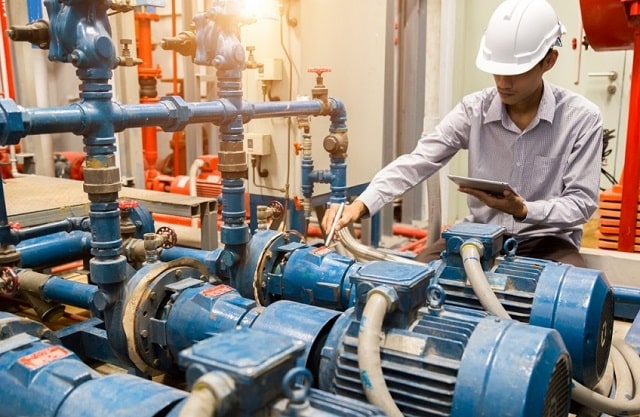
Mastering Industrial Pump Applications: A Complete Overview

industrial pumps

Key Takeaways

  • Insight into the vast array of industrial pumps and their specialized applications across various sectors.
  • An exploration of the intersection between technological advancements and pump efficiency.
  • Guidance on establishing effective maintenance plans, reducing energy consumption, and adhering to pump safety protocols.

Table of Contents

  • Introduction to Industrial Pumps
  • Different Types of Industrial Pumps and Their Applications
  • The Evolution and Advances in Pump Technology
  • Factors Influencing Pump Selection in Manufacturing
  • Maintenance Strategies for Industrial Pumps
  • Energy Efficiency and Sustainability in Pump Operations
  • Cost Considerations and Lifecycle Management of Pumps
  • The Impact of Industrial Pumps on Product Quality Control
  • Safety and Compliance Considerations in Pump Usage
  • Future Trends in Pump Engineering and Application

Introduction to Industrial Pumps

Industrial pumps are essential components of many manufacturing systems and are used in various industries, including pharmaceuticals and agriculture, as lifelines. Through their capability of transferring various fluids and gases, these pumps ensure the continuity of processes and the quality and safety of the products being manufactured. Due to their widespread usage and critical functions, there is a pressing need for industry players to have a deep understanding of pump technology, their operational mechanisms, and the criteria for selecting the right pump to meet the application requirements effectively.

While industrial pumps are generally perceived as simple machines, their impact on production efficiency and cost-effectiveness is monumental. An optimized pump selection can lead to significant energy savings and low maintenance costs, further underscoring their financial impact on a business operation. The correct pump, in perfect working condition, can streamline workflows, safeguard product quality, and minimize risks associated with equipment failure.

Different Types of Industrial Pumps and Their Applications

Each type of industrial pump is designed to handle specific tasks tailored to the conditions in which they will be operating and the type of material they will be moving. Centrifugal pumps utilize a rotating impeller to impart kinetic energy to the fluid, making them ideal for handling low-viscosity fluids such as water or chemicals in large volumes. Positive displacement pumps, in contrast, work by trapping a fixed amount of fluid and then displacing that volume into the discharge pipe, which suits them for tasks that require high levels of precision and are perfect for thicker or more viscous fluids or those containing solid suspensions.

Delving deeper, specific varieties such as diaphragm pumps are distinguished using a flexible diaphragm to pump the fluid. They are frequently employed in sectors like food and beverage production and pharmaceuticals, where sanitation is crucial. Gear pumps, another form of positive displacement pump, employ interlocking gears to pump fluid; they are commonly found within machinery lubrication systems. Each pump type has an application niche where it excels, and its proper deployment is crucial for achieving efficient system performance.

The Evolution and Advances in Pump Technology

As industries have advanced, so too has pump design and functionality. Initially focused on straightforward mechanical operation, modern pumps have embraced technological enhancements that offer far-reaching benefits. Innovations in the materials used to construct pumps, for instance, have increased resistance to wear and corrosion, thus extending the pumps' lifespan even under harsh industrial conditions.

Another significant influence is the digital revolution. Pumps today, including those found within the inventory selections at places, are increasingly equipped with sensors that provide critical real-time data on performance and potential faults. By enabling predictive maintenance techniques, potential problems can be found and fixed before they result in system failures, reducing unscheduled downtime and related expenses.

Factors Influencing Pump Selection in Manufacturing

The pursuit of the ideal pump for a system necessitates a comprehensive evaluation of numerous variables. The primary factor influencing the pump selection is the particular properties of the material to be moved, whether it be a liquid, gas, or slurry. It includes assessing factors such as fluid viscosity, which significantly influences the pumping mechanism required, and chemical compatibility, which is critical for ensuring materials within the pump can withstand prolonged exposure to aggressive substances without degrading. As with safety, environmental factors like operating temperature ranges and possible exposure to explosive environments must be considered to avoid malfunctions and guarantee safety.

Maintenance Strategies for Industrial Pumps

A robust maintenance regimen is the backbone of reliable pump operations. Proactive strategies are vital. It can include the analysis of vibration patterns, temperature fluctuations, or changes in the acoustic signatures that could indicate developing faults. Trained personnel are an integral part of a successful maintenance strategy, as their expertise enables them to pinpoint issues before they lead to catastrophic failures. Best practices recommend a blend of routine inspections and more in-depth analyses for the most effective maintenance, such as performance testing or fluid analysis. These comprehensive approaches provide a complete understanding of the pump's condition and operational efficacy, contributing to an extended service life and a more reliable manufacturing process.

Energy Efficiency and Sustainability in Pump Operations

The pursuit of operational excellence in manufacturing is closely tied to energy efficiency, particularly when it comes to pump operations. Enhancing the energy efficiency of pumps is frequently a top priority because they can account for a sizeable amount of a facility's energy consumption. Optimization techniques can have a significant impact. Advanced control systems are also being integrated, allowing dynamic pump speed or flow adjustments to match real-time demand, thus eliminating wasted energy. The move towards greener and more sustainable operations is also influencing pump technology. Some manufacturers are focusing on developing more environmentally friendly pumps by using renewable energy sources or designing pumps that can be easily refurbished or recycled at the end of their useful life, thereby reducing waste and contributing to the circular economy.

Cost Considerations and Lifecycle Management of Pumps

Factoring in the total lifespan costs of industrial pumps, rather than just the initial purchase price, is a critical approach for businesses. Evaluating the long-term costs encompasses assessing energy consumption over time, maintenance expenses, and the potential costs associated with downtime. A lifecycle management plan for pumps helps operators predict when maintenance or replacements will be needed, allowing for budget planning and ensuring operations run without unexpected interruptions.

The Impact of Industrial Pumps on Product Quality Control

Failure to maintain pumps properly or select the appropriate pump type can harm product quality. In industries where precision and cleanliness are non-negotiable, such as the pharmaceutical sector, even minor inconsistencies in pump performance can compromise product integrity and contravene industry regulations. Consistent and predictable pump operation is a cornerstone of maintaining product standards and meeting rigorous quality control measures.

Safety and Compliance Considerations in Pump Usage

Industrial pump operations often involve handling hazardous materials, high pressures, and temperatures, giving rise to several safety concerns. It is imperative that companies institute rigorous safety protocols and routinely train their workforce on proper operational procedures. Compliance with industry standards and regulations is not optional; it is a legal and moral requirement to protect workers and the environment. By understanding and adhering to guidelines and best practices issued by organizations like OSHA, businesses can prevent accidents and avoid costly violations.

Future Trends in Pump Engineering and Application

The horizon of pump engineering is brimming with potential, offering a glimpse into a future where pump efficiency, intelligence, and performance are significantly enhanced. Anticipated developments in materials allow pumps to operate in more extreme conditions with excellent resistance to wear, corrosion, and high temperatures. The potential for custom pump designs that precisely match specific system requirements with lower production costs and shorter lead times may be facilitated by advancements in additive manufacturing, also referred to as 3D printing.

Integrating pumps with advanced analytics and machine learning algorithms is expected to bring about a new generation of smart pumps capable of autonomous decision-making to optimize performance and energy usage. Thanks to their operational excellence insights, these intelligent systems will likely become standard as Industry 4.0 continues to evolve. The future trends in pump engineering paint a picture of a sector that is not only essential to manufacturing processes but also actively pushing the boundaries of industrial innovation.

Why Manufacture With Foam Injection Molding Technology

advantages manufacture with foam injection molding technology

There are so many clear reasons to manufacture business products with advanced foam injection molding technology. Molded foam products are gaining widespread use throughout the commercial business world. Widely used in the medical devices, seats, sporting goods, and protective gear industries – these products are known to be incredibly durable, water-resistant, light, and flexible. Plus, closed-cell foam keeps these manufactured products safe from bacteria and UV lights. 

As an operations manager (OM) yourself, you should understand why many companies are investing in innovative closed-cell foam injection molding technology. This way, you can fortify your supply chain, lower the cost of goods, and improve material quality. Read on to learn why you should manufacture with foam injection molding technology with 5 big business benefits. 

5 Advantages Of Manufacturing With Foam Injection Molding

1. Superior Aesthetics 

For a start, the introduction of foam injection molding technology has helped manufacture products that look great. With structural foam molding, it is possible to produce thick, durable, and intricate products that are free of any defects or deficiencies. These products tend to have a more consistent, smooth, and clean textural finish – without any sink marks or surface depressions. This is largely due to the careful, low-pressure product molding procedure, which is known to minimize stress. Even more, manufactured goods are said that have superior insulation and acoustic features as well. Definitely, products manufactured with closed-cell, EVA foam injection molding are known to possess superior aesthetics. 

2. Speedy Delivery 

In addition, foam injection molding manufacturing gives business owners rapid, just-in-time delivery. This is critical for business owners struggling to optimize stock levels during the current turbulent economy. Companies like Foam Creations can rapidly create, prototype, and distribute custom foam molded products – accelerating delivery times across the North American market. This reputable agency manages warehouses in Canada and Mexico, which allows them to streamline product development throughout the continent. This strategic geographic positioning supports rapid manufacturing, top-tier quality, and superior customer service. You will have everything you need to ensure speedy, just-in-time delivery to your operating or storage facilities or warehouse. Surely, foam injection molding products are able to rapidly and conveniently be distributed. 

3. Stronger Products 

Also, products created with foam injection molding technology are known to be stronger and more durable. Compared to other manufacturing methods, closed-cell foam products are known to have a much higher strength-to-weight ratio. As such, these goods are more resilient against impact. This makes them suitable for a variety of commercial and industrial applications. This is why this technology has been regularly used to product protective gear for tablets, headsets, electronic equipment, and cassettes. This strength is said to be comparable to that of wood, thin metal, fiberglass, or concrete products. Indeed, foam injection molding manufacturing can have you product stronger, more durable products. 

4. Saved Production Expenses 

More, opting for foam injection molding manufacturing helps companies save on production expenses. These manufacturing methods lower the costs for materials acquisition, tooling, as well as actual production and assembly. Of course, these expenses can be significantly reduced without sacrificing quality. After all, structural foam molding tooling is known to produce the same detailed results as other manufacturing methods. Certainly, businesses can save even more by switching to aluminum tooling molds. This is possible since the pressure is far-lower during manufacturing. Absolutely, consider foam injection molding technology to save on manufacturing and production expenses. 

5. Significant Product Life Expectancy 

Choosing a dependable manufacturing method like foam injection molding, you should expect a far longer product life expectancy. When manufactured properly, foam injection molded products can last significantly longer than comparable goods. These products are produced at lower pressures – giving them durable, resilient, and strong properties. With longer-lasting products, it will be far easier to build up an audience of loyal, committed customers. After all, they will have great faith in your product quality, strength, value, and durability. This means their more like to come back for return purchases and recommend your brand to others. Certainly, products manufactured with foam injection molding technology tend to have a longer life expectancy. 

Masterful Molding Manufacturing

There are so many clear reasons to manufacture business goods with foam injection molding technology. First and foremost, this innovative manufacturing technology supports superior aesthetics. In addition, these manufacturing models are ideal for speedy delivery, which is crucial for just-in-time customer shipping. Products made with EVA, closed-cell foam injection molding are also much stronger and more durable. Plus, these manufacturing and production methods help businesses save on creation expenses. Even more, these models help to extend a product’s life span. Follow the 5 points above to learn why you should manufacture with foam injection molding technology.

5 Trends Impacting Modern Manufacturing

emerging trends shaping future of manufacturing new manufacturer technology robotics automation

There are many emerging trends shaping the future of modern manufacturing. Before the COVID-19 pandemic, many manufacturers were looking to shift their business from product-centric to consumer-centric organizations. Notably, the Coronavirus pandemic put pressure on manufacturers to make their operations more resilient. In the face of these challenges, many companies turned to innovative new technologies and advanced materials to improve their processes in the face of supply chain disruptions or reduced employee numbers. 

As a manufacturing manager, you need to know the biggest trends shaping the industry this year. This way, you can keep up with the ever-changing market and increased disruption. 

Read on to discover emerging trends shaping the future of manufacturing in the modern age. 


IoT Connected Operations 


First, many manufacturing companies are using the Internet of Things (IoT) to connect and monitor their operations. According to recent data, over 80% of manufacturers have already adopted IoT solutions. Notably, IoT connectedness gives manufacturers valuable data. This allows them to change, optimize, and improve their processes. In addition, they can use this data to improve health and safety. For example, many companies in the oil and gas industry use IoT sensors to monitor gas leakages through the pipe network. By addressing safety issues in potentially hazardous environments, IoT devices can significantly reduce injuries and health risks. Definitely, the rapid expansion IoT connected operations is a major manufacturing trend to watch out for this year. 


3D Printing 


Next, 3D printing technology is another major manufacturing trend to look out for in the industry. Many manufacturers depend on 3D printing to support their prototyping initiatives. Notably, it is a cost-effective way for product designers to test and troubleshoot their new products. In addition, 3D printing has transformed many tooling processes. With 3D printing technology, manufacturers can create molds, jigs, and fixtures onsite in just a few days. In the past, businesses had to depend on tooling organizations in headquarters overseas. Often, this rendered the process highly expensive and time-consuming. Certainly, 3D printing is one of the most important trends that is modernizing business marketing, manufacturing, and operations. 


Foam Injection Molding 


In addition, many manufacturers are using foam injection molding to create their products. By partnering with a foam molding company, you can obtain end-to-end product development services with the top materials on the market. For example, top foam molding companies utilize a wide variety of Polyolefin resins to manufacture any type of custom foam molding. Top foam injection manufacturers in North America utilize materials free of phthalates, heavy metals, and latex. Notably, this makes engineered products safe, soft, and easy to clean. Plus, many products art chemical-resistant and 100% waterproof. If your business is manufacturing a new product, consider partnering with top foam injection molding companies for quality results. 


Predictive Maintenance (PdM) 


Moreover, predictive maintenance is another top manufacturing shaping the industry now. PdM techniques help determine the condition on in-service manufacturing equipment. With the rise of smart machines, internal sensors can inspect and alert workers when machines need maintenance. Often, these devices can catch mechanical failures before they happen. Notably, this can extend the life of factory equipment and create a safer work environment. Additionally, predictive smart machines can also save significant amounts of money. According to recent data, companies can spend over $250,000 for every hour machines are down. Naturally, many manufacturers are implementing predictive maintenance technology to access real-time alerts and responses. In short, predictive maintenance is one of the biggest manufacturing and product packing and label industry trends to follow this year. 


Augmented Reality 


Furthermore, augmented reality is another trend shifting manufacturing. For example, many companies are investing in AR tools to utilize animated 3D renderings. With highly accurate proportions, AR software can show the operator how to repair and maintain machinery through step-by-step visual aides. Notably, this is reducing the need for paper manuals, significantly saving time throughout operations processes. Indeed, operators can search for solutions much more quickly through AR digital interfaces. Additionally, AR devices such as head-mounted displays and smartphone tablets can often recognize equipment and understand how it works. This can speed up processes even more. Undoubtedly, augmented reality is a major manufacturing industry trend for its ability to save time throughout operations processes. 


Manufacturing Mastery In The Modern Era


There are several emerging trends shaping the future of manufacturing in the new age. First, many companies are adopting IoT connected operations to leverage monitoring in their organization. Next, manufacturers are also shifting to 3D printing for tooling and prototyping. In addition, foam injection molding is one of the largest manufacturing trends, especially for companies creating new products. Moreover, companies are also utilizing predictive maintenance technology to access real-time equipment alerts. Furthermore, AR is another major trend dominating the industry. 

Consider these emerging trends shaping the future of manufacturing in the coming years. It could be the difference between your manufacturer business surviving or thriving in the new economy.

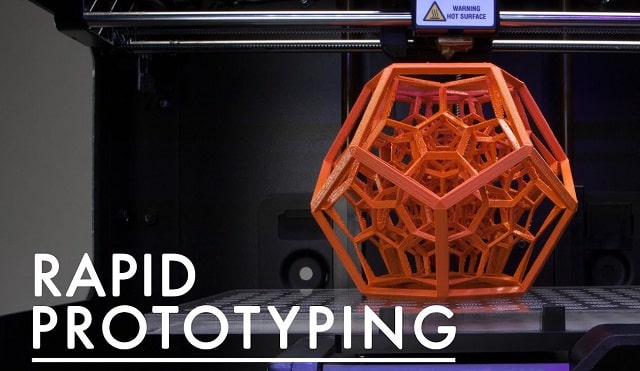
5 Rapid Prototyping Methods To Develop New Products

rapid prototyping methods develop new products fast design manufacturing

There are many rapid prototyping methods used to develop new products. The prototyping process can save millions of dollars in new product development costs. Notably, the prototyping method used can significantly impact the product evaluation, testing and manufacturing methods. The proper prototyping technique should consider the product's design, purpose, materials and specifications. Certainly, entrepreneurs can leverage prototyping to test minimum viable products, product variations or product improvements before pushing to market. However, you need to choose a method that fits your product stage and requirements. In this post, we will cover the top rapid prototyping methods to develop new products. 

But before diving into specific methods, it is worth exploring some key advantages of rapid prototyping, particularly its role in reducing time to market. By quickly converting digital designs into physical models, manufacturers and product developers can detect design flaws, collect user feedback, and implement improvements early in the development process. This streamlined approach accelerates the journey from concept to production-ready design, minimizing delays and helping products launch faster.

Selective Laser Melting 

Selective laser melting (SLM), also called powder bed fusion, is a rapid prototyping method used primarily for complicated, strong metal parts. In this process, a fine metal powder is used, melted by an electron beam or high-powered laser layer by layer. Typically, parts and prototypes made using this process most often benefit the automotive and aerospace industries. In fact, SLM provides new enhancement opportunities for various components such as engines and transmissions. Additionally, it reduces costs by shortening development times and eliminating tooling needs. Surely, you can introduce new product improvements as well as reduce costs by manufacturing metal parts and prototypes using SLM. 

Fused Deposition Modeling 

Next, fused deposition modeling (FDM) is another rapid prototyping method used for various applications. Often, they are used for modeling systems within advanced machinery. Using this technique, you can reduce costs and significantly shorten manufacturing timelines to create various manufacturing prototypes. Additionally, you can provide accurate representations of real-world use cases at drastically reduced manufacturing cost. Companies typically maximize the FDM process efficiency by building small part quantities with liquid plastic. In fact, most desktop 3D printers use FDM to create quick and cheap prototype products. Certainly, this is a great method for entrepreneurs looking to save on costs. 

Foam Injection Molding 

An additional rapid prototyping method, foam injection molding is often used for various custom products and a variety of consumer goods. These goods include protective gear, seating, water sports accessories, and more. Additionally, the foam used is more malleable, allowing a wider range of products and prototypes to be manufactured. Working with an injection molding company like Foam Creations, you can ensure that the materials used are free of harmful chemicals, heavy metals or latex. If you are thinking about launch a new lightweight, durable product, consider foam injection molding for your prototyping method. Certainly, this technique combines cost effectiveness, safety and usability. 

Stereolithography 

Stereolithography (SLA) is one of the oldest and most effective prototyping processes available to startups. The SLA offers 3D printing technology to transform liquid resin into hard plastic. Through photopolymeriation, you can create products with high visual quality, clarity and smoothness. Additionally, this method offers prototyping versatility by harnessing the various properties of industrial and engineering thermoplastics used. You can maximize these advantages by using SLA for detailed prototypes requiring smooth surfaces, such as molds and patterns for the dentistry, model making, and education industries. Further, it can help marketing a new product prior to full roll out. Definitely, consider SLA prototyping for visual quality and accuracy. 

Selective Laser Sintering 

Lastly, selective laser sintering (SLS) is another of the oldest rapid prototyping methods. The 3D printer uses a high powered laser to fuse materials like glass, plastic or ceramic together, creating a 3D object. Using this process, you can print complex or delicate objects since it doesn't require molds or additional tooling. In fact, SLS is commonly used to prototype customized products such as hearing aids and prosthetics. Additionally, SLS can be used to store prototypes digitally as .STL files, enabling your business to quickly modify, redesign, or reprint stored products. This way, prototypes move through the validation processes and become sellable products much faster. Of course, you can produce high-quality custom materials and guide them through the production pipeline faster with SLS. 

Ramp Up Rapid Prototyping Products

There is a myriad of rapid prototyping methods for developing new products. For example, you can manufacture strong, complicated metal parts and prototypes using SLM. Second, significantly reduce costs and shorten development processes using FDM. Third, explore the unique prototypes possible with the safety and durability of using foam injection moldings. Next, you can leverage the visual quality and properties of your prototypes with SLA. Finally, produce high-quality custom materials and guide them through the production pipeline faster with SLS. When you are planning to develop a new product or line of products, consider these highly effective prototyping methods described above for quicker production.

How Robots Are Helping To Save The Planet

how robots help save planet

Our planet is in a perilous place. Earth is dealing with climate change, pollution, overflowing landfills, depleted fossil fuels, disease, animal extinctions, nuclear arms, and food scarcity on a large scale due to global industrialization and a population approaching 8 billion people. With climate change in particular, if we don't make major changes to our energy use and carbon footprints in the next few decades then we could do irreparable harm to the world.

The situation is dire indeed and the scientific community is looking at any and all possible solutions to our wide variety of planetary problems.

Luckily, robots, robotic technology, artificial intelligence, and machine learning are all increasingly effective tools to combat our planetary problems. Innovative robotic tech and machinery can be the key to saving our planet from serious imminent threats.

How Robotic Technology Can Help Protect The Planet

1. Reduction In Energy Use 

One of the biggest problems facing our planet is energy use and everything related to it. We are running out of fossil fuels (oil, gas, coal, etc) and our world's growing use of energy has been creating serious pollution and climate change. 

Robots and robotic technology can help to: 

- Reduce energy use with efficiency and AI
- Research and test newer sustainable forms of energy
- Refine existing forms of sustainable energy such as biofuel, electric, hydrogen, solar, and wind 

Visit Machine Vision Systems to learn more about how robotics can help to reduce our energy use, cut pollution, and improve sustainability.

2. More Humans Focused On Problem-Solving

With less humans doing mundane or tasks that can be automated, we can continue transitioning our focus to data, research, and solving our biggest global problems. If we have more minds focused on fixing our world's problems instead of doing manual labor or tedious tasks, we'll make faster advances in all areas.

3. More Robots And Less Employees Mean A Lower Corporate Carbon Footprint

Robots and Artificial Intelligence can help to replace unnecessary manual laborers or unskilled employees at your company. While that isn't always a win overall from an economic standpoint, from an environmental standpoint it is usually positive. Your company will then have a lower carbon footprint since there are fewer employees commuting to work and using your oil / gas / coal / heat / water / electricity. Robots don't need heat, water, room lighting, and they certainly don't have to add to the smog by commuting to work!

4. Every Little Bit Helps

Whether robots help moderately or massively to improve our planet, every little bit helps. Any modicum of pollution that can be prevented or research that can be conducted could be the different between peril and prosperity for the human race and every other life form. While we can't responsibly measure the exact benefit that robots will have on our planet's health, it's pretty safe to say that it will be significant enough to make a difference. Any improvement is better than none at all!

Robots Can Help To Power & Protect Our Prosperous Planet

Our planet is at a crossroads with growing environmental threats popping up each year. Every solution should be explored and utilized to the furthest extent to protect our world. Robots and robotic technologies are currently some of the most effective solutions to our problems, and will continue to be as technology advances over time.

How You Can Select The Best Hydraulic Power Pack Or Unit For Your Needs

how to select best hydraulic power pack unit

Hydraulic power packs have become a common sight in industrial facilities, but they are also widely used in other sectors such as the automotive sector, the agricultural sector, the manufacturing sector, and much more. A well-chosen hydraulic power pack can supply you with the best level of hydraulic power you need to run a piece of machinery or equipment, so it will always be in your best interest to choose the proper one. Hydraulic power packs have different features, functionalities, and components, and if you consider the right factors, you will have a system that operates as efficiently as possible. Do you want to be sure about your choice when it comes to a hydraulic power unit? Here’s how you can select the best one. 

What Do You Need When It Comes To Power? 

You should first determine your needs in regards to the power of the unit, and you would need a minimum amount of power to get your desired rate of flow as well as bar pressure. For instance, nominal or TB1 power is identified in watts or kilowatts, W or kW, respectively. This refers to the power of the hydraulic motor which operates the hydraulic pump. 

The nominal flow rate is another element, and it is seen in litres per second or litres per minute. It is the liquid volume which the pump sends into the hydraulic system at any given time. The third aspect to think about is nominal pressure, which is categorised in Pa (pascals) or bars, and it is the force that can be withstood by the hydraulic unit; it is also based on the engine's power. 

It is essential to properly calculate what you need when it comes to the power generated by your unit as too much pressure may result in damage to your hydraulic system’s components. But if your system isn’t that powerful, the equipment or machinery it supplies will not be able to operate correctly, either. You should also have a good estimate of the tank’s size because its capacity should be sufficient for supplying the entire system, especially in regards to the utilisation rate and flow rate. 

How Will You Use It? 

Another essential consideration in terms of your hydraulic power system is how you will use it. For instance, will you use it continuously or only intermittently? If you use it beyond the specified operating rate of the manufacturer, it may overheat or the hydraulic fluid may evaporate. In addition, this may cause damage to the system’s engine. Based on the available power sources, you can select the kind of motorisation you want for your unit, be it air-driven, combustion, or electric. 

Determining The Size Of Your Unit 

You have three major choices in terms of your hydraulic power unit, and this includes micro hydraulic power units, mini hydraulic power packs, or standard hydraulic power units . Micro units generally have a flow rate of 5 litres per minute, and its maximum when it comes to pressure is usually 250 bar. Mini units, meanwhile, have a flow rate of about 30 litres per minute and a max pressure of about 350 bar. If you opt for a standard unit, it will usually have a flow rate of as much as 100 litres per minute as well as a max pressure of as much as 4500 bar, although many units are limited to pressure from 250 up to 700 bar, which is suitable for most requirements.

The Lean Startup Life Media Network Newest Blog Posts: