The Changing Face Of Mobility: An Insight Into Car Battery Chargers
The Evolution Of Hearing Aids In Today’s Technology
Why The Young Prefer Fast Charging Phones Today
Business Startup Tips For Electrical Engineers

Electrical engineers are typically highly-skilled people who are very much in-demand in any job market. Maybe, however, the idea of working for a corporate isn’t for you. Maybe you would prefer to be your own boss. That is entirely feasible, but it is important to remember that it will require business skills to go along with your technical skills. Here are four tips from Components Bureau to get you started.
Be sure that you do actually want to be your own boss doing this electrical work. Being your own boss is a whole lot of work. If it is what you really want, then the work is absolutely worth it, however, if it is not you may quickly find yourself wishing that you’d taken that safe, corporate job after all. If by “be your own boss” what you really mean is “work independently and flexibly” then you might be better to look for a company which has that culture, or work as a contractor (or both).
Choose A Niche
Electronic engineers can work across a huge number of industries, which can make it hard to decide exactly what kind of business you want to start. In general, when starting your own business, the best niche is the one in which passion meets practicality. In the case of electrical engineering, practicality will also include issues such as cost and legality.
Admittedly, this is also true of other industries, but it has particular relevance for electronic engineering. For example, your passion may be to create educational toys for children, but anything which is sold for use by children is very heavily regulated, so you would either need to familiarize yourself with these regulation or find someone to guide you or find a legal and ethical way to work around them, for example, by creating designs for children’s toys for other people to create themselves.
Do Your Sums Thoroughly Before You Start Parting With Your Cash
The more money you need to get your business off the ground, the more certain you need to be that it will be sustainable over the long term. For example, it typically costs a lot more to start a business producing high brightness LEDs than it does to start a business producing Cathode Ray Tubes, but the LED light industry currently looks to be massively more sustainable in every sense of the phrase. By opting for a provider like Infinite Energy that offers renewable energy plans, you will start to see the benefit in no time.
Having said that, it pays for engineers and engineering companies to look at all your options. For example, although it requires significant investment to set up a business which produces LED lights from scratch, it is relatively affordable to start a business which assembles them.
Remember, Where There Is Muck, There Is Money
The growing awareness of the need for sustainability offers huge opportunities for electrical engineers. In particular, the issue of electronic waste is a massive problem and any engineers who can come up with a cost-effective solution to it, even on a small scale, can potentially do very well out of it as well as helping the environment.
The Advantages Of Using Solar Energy For Homeowners

Key Points to Consider:
- One energy source that may be advantageous for homeowners is solar energy.
- Installing panels can lead to a reduction in utility costs.
- There are perks for individuals who opt for energy solutions.
- The installation of power systems may increase the value of a property.
- Ongoing advancements in technology are enhancing the efficiency of panels.
Introduction to Solar Energy
With the rising costs of electricity and an increasing focus on sustainability many homeowners are exploring the benefits of power. This eco-friendly energy source provides an alternative to power sources by enabling electricity generation. Several solar panel companies in Utah are leading the way in making solar power accessible at a price. The shift towards energy is driven by factors such as reducing carbon footprints and potential savings on utility bills. The advantages of using energy become more evident with each advancement. Apart from being advantageous for homes, solar power systems also support initiatives meant to lower greenhouse gas emissions and advance the future.
Cost Savings on Utility Bills
One significant advantage of installing panels is the savings on utility expenses that homeowners can enjoy. By harnessing sunlight, households can make reductions in their energy bills. The U.S. Department of Energy research indicates that solar power systems could save homeowners around $1,000 leading to long-term cost savings and allowing for the recovery of the investment within a ten year period. Many electric companies provide metering programs that enable homeowners to sell power generated by their panels back to the grid especially it is advantageous in sunny regions for optimizing system efficiency. Using energy plays a role in reducing air pollution and greenhouse gas emissions aligning with findings from the production of energy can reduce carbon dioxide emissions by 1.5 pounds per kilowatt hour, according to the Environmental Protection Agency (EPA).
This underscores the importance of energy in combatting climate change and decreasing reliance on fuels while lowering harmful air pollutants like sulfur dioxide and nitrogen oxides associated with traditional energy sources, which are linked to health concerns such as heart disease.
Adopting power benefits the environment but also has positive impacts on public health and overall well-being. Furthermore, governments and local authorities offer incentives such as rebates to promote the adoption of energy systems. In the United States, homeowners can take advantage of the Federal Solar Tax Credit which allows them to deduct 26% of their installation costs from their taxes. In addition, state tax credits, rebates and grants can help lower the cost of an energy system. For instance, some states provide exemptions on property and sales taxes for buying and installing equipment. It is recommended for homeowners to look into incentives in their region to maximize their savings.
Boosting Property Value
Installing panels can also enhance the value of your property. Properties with energy systems are more appealing to buyers as they assure utility costs and a smaller environmental impact. A study by Lawrence Berkeley National Laboratory found that homes with panels sell for an average of 4.1% more than those without systems. Charging a premium for installations can greatly increase a property value making it a smart investment choice. The demand for properties with panels is expected to rise as more people prioritize sustainability and understand the benefits of solar energy. Having solar panels, in real estate markets can make a property stand out attract eco buyers and expedite the selling process.
In the realm of technology notable progress has been observed in the sector leading to the development of cost effective solar panels. Innovative solutions, like panels that harness sunlight from both sides and stylish solar roof tiles that seamlessly integrate with roofing materials are broadening homeowners choices for integrating energy solutions into their properties. Progress in boosting panel efficiency aims to enable them to generate energy from the surface area making it possible for even homes with limited roof space to benefit from power generation.
For instance, advancements in photovoltaic cell technology have yielded panels of converting sunlight into electricity thereby enhancing overall system performance. Moreover, improvements in panel durability are evident as manufacturers now offer warranties lasting 25 years or more. This assurance ensures that the panels will consistently produce electricity over a period delivering a return on investment for homeowners. Additionally advancements in materials and construction techniques enhance panel resilience against varying weather conditions ensuring performance across climates.
To summarize embracing energy provides homeowners with advantages including cost savings, environmental benefits, financial gains, increased property value and access, to cutting edge technology. In todays society where sustainability is increasingly prioritized the popularity of energy continues to rise as individuals seek ways to reduce their impact and contribute towards a greener future. Thanks to progress and backing from sources homeowners are now contemplating transitioning, to solar energy.
Boosting Mobile Signals In Rural Areas: Essential Tips And Technologies

Introduction
In today’s world mobile phones have become essential for communication, work and entertainment. Ensuring a signal is crucial especially, in rural areas where signal issues are common. Despite the challenges faced by residents there are ways to improve mobile connectivity. By utilizing technologies and strategies it is possible to enhance signal strength and stay connected in remote locations.
The difficulties encountered by dwellers with mobile signals can be overwhelming. However there are solutions such as utilizing c band signal boosters. This guide aims to outline methods for boosting signal strength in rural areas enabling uninterrupted connectivity even in isolated regions.
Challenges of Mobile Signals in Rural Areas
Common obstacles affecting signals in areas include geographical features like mountains and forests that disrupt signal transmission. These natural barriers can significantly degrade signals before reaching their intended recipients. Moreover the distance from cell towers plays a role in signals; unlike settings, with numerous nearby towers rural areas have fewer towers spread out over larger distances making it challenging for devices to maintain consistent connections.
Effective Techniques for Signal Boosting
Option 1: Signal Boosters
Signal amplifiers, also referred to as boosters are gadgets that enhance signals from the cell tower improving reception in a particular area. These tools comprise an antenna to capture the signal, an amplifier to enhance the signal and an internal antenna to transmit the boosted signal. They prove beneficial in regions where distance from cell towers often leads to poor signal reception. By installing a signal booster individuals can enjoy better call clarity, faster internet speeds and consistent connectivity.
Option 2: External Antennas
External aerials serve as another method for boosting signals in rural settings. These aerials help capture signals and bring them indoors significantly enhancing signal reception. Various types of aerials are available including ones that target specific cell towers and omnidirectional ones that can pick up signals from multiple directions. By selecting the type based on your needs you can optimize signal strength and ensure dependable connectivity in remote areas.
Option 3: Wi-Fi Calling
Wi Fi calling enables users to place and receive calls, over a Wi Fi network of depending on a cellular connection. This feature comes in handy in places where the internet connection's robust but the mobile signal is weak. Most up, to date smartphones support Wi Fi calling, which can be activated effortlessly in the phones settings. By utilizing Wi Fi networks individuals can ensure communication when cellular reception is poor. To learn more you can discover the advantages of using Wi Fi calling.
The Role of C-Band Technology
C Band technology plays a role in improving signal strength especially in rural areas. Operating within the 3.7 to 4.2 GHz range the C Band spectrum strikes a balance between coverage and capacity. It excels at overcoming obstacles and reaching regions making it an excellent choice for enhancing connectivity in rural areas. By leveraging C Band technology service providers can ensure dependable signals in areas that traditionally face reception challenges.
Choosing the Right Equipment
Picking the equipment is key to optimizing signal enhancement. Factors to consider when selecting a signal booster or external antenna include the desired coverage area, budget constraints and any specific requirements you may have. Research models, read reviews to identify top quality products that align with your needs and seek advice from experts or service providers, for recommendations. Investing in equipment can significantly elevate your connectivity performance.
Installation Tips
Setting up your signal-boosting equipment is crucial for getting the most
out of it. Here is a simple guide to help you through the installation process:
- Locate the spot outside your home or office with the signal. You can use a mobile phone signal meter. Check your device’s signal strength indicators to find this.
- Place the antenna in that spot making sure it’s positioned as high as possible to catch the best signal.
- Connect the antenna to the booster using the cables provided ensuring all connections are firmly in place.
- Position the booster indoors at a central point for optimal coverage.
- Power up the booster, by connecting it to a power source. Lastly make sure that the internal antenna is placed where you need reception to distribute the boosted signal.
Conclusion
In conclusion enhancing signals in areas might appear daunting but it is feasible through the use of appropriate methods and devices. By exploring solutions such as signal amplifiers, external antennas and Wi Fi calling individuals living in regions can access connectivity and improve their quality of life. The integration of technologies like C Band can further bolster these options ensuring that everyone stays connected. Whether for activities, remote employment or entrepreneurial endeavors adopting these innovations has the potential to revolutionize the connectivity landscape in communities.
Launching Your Career As A Freelance Electrician: A Comprehensive Guide

How Does Black Box Data Help Truck Accident Cases?
What Is Streamlining In Logistics?

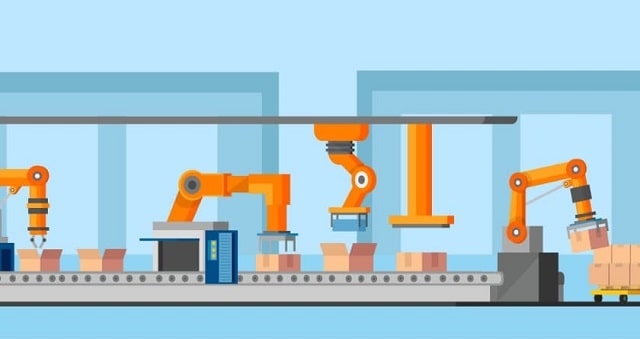
Streamlining logistics is a process that automates mundane tasks. For large eCommerce companies, this means using robotics and AI to streamline their processes. However, small and medium businesses may not have the budget to adopt such technology. In these cases, inventory scanner systems may be a better option.
Earn Major Money Online Right Here Today
Managing Reverse Logistics
Managing reverse logistics is an increasing necessity in many industries. This process involves creating value for customers, products, and carriers. According to Remcoda, companies need to be mindful of their impact on these ecosystems to ensure they continue providing value to customers and businesses. Managing the process correctly can lead to significant benefits for companies and customers.
Reverse logistics involves tracking products throughout their life cycle and provides opportunities for supply chain optimization. It also helps businesses improve profitability by controlling supply chain expenditures. In addition, the inbound flow of returned products can be managed effectively by implementing a return policy and procedure. Such a policy will help businesses determine how to best use end-of-life products and may involve refurbishing or remanufacturing.
Importance Of Process Review
A process review is an important part of a business's strategic planning. It can help you identify your operations' weak spots and potential improvements. It can also reveal best practices. For example, a process review can be useful for new-hire training programs or activity flow mapping. It can also prove beneficial if a long-time supervisor leaves the company.
It can also serve as an opportunity for a strategic audit, leading to a logistics system redesign. It can help you align your logistics efforts with corporate needs and goals. The process can also help you formalize your strategy so that logistics considerations are included in your overall strategy formulation.
Importance Of Automating Mundane Tasks
Automating mundane tasks in logistics can increase efficiency and allow employees to focus on high-level tasks. For example, automating back-office processes helps companies track customer information and offer faster service. Automation also helps businesses minimize costs and improve ROI. Robotic process automation (RPA) automates repetitive tasks like order processing and waybill printing.
While many people associate automation with large robots on assembly lines and self-driving trucks, automation is often used to assist with smaller tasks. For example, tracking shipments is a tedious task prone to human error. With RPA, logistics companies can easily automate these routine tasks, resulting in reduced human error.
Importance of a TMS system
A TMS system is a powerful software tool that will allow you to streamline your logistics operations. Automating the necessary tasks will save you time. It will streamline the process of comparing rates and booking shipments, eliminating the need for human error that can result in mistakes. In addition, it will integrate with your ERP system, allowing you to view all your options on one screen.
Another important benefit of a TMS system is that it will allow you to manage and monitor your carriers' performance. Real-time tracking data provides the information you need to hold carriers accountable for their delivery times and keep your customers happy. It will also allow you to view the status of a shipment's arrival at its final destination and help you avoid delays due to traffic.
Importance Of Automating Order Forms
Automating order forms in the logistics sector can be very beneficial for many reasons. For starters, it can help streamline the process by reducing the time required for each step. This way, the process of fulfilling orders can be reduced from hours to minutes. It also helps improve the customer experience since there will be no delays and errors. Furthermore, it will help businesses improve customer satisfaction, visibility, and accessibility.
Another important benefit of automated order processing is the reduction of fulfillment costs. Automated order processing eliminates manual processes, including order entry and tracking. It also streamlines the process by automating tasks such as printing shipping labels and verifying orders. Automation will also save valuable time that would have otherwise been spent on the process.
Importance Of A Historical Database
Historical data is an important part of logistics and can help determine the current status of your supply chain and identify areas for improvement. It is also important for evaluating the overall performance of your logistics operation, and it can help you identify areas for future savings. If you can gather historical data from various sources, you will be better able to evaluate your logistics processes and identify opportunities for improvement.
Historical data can also help you plan your shipping strategy. For example, if you need to deliver products from a certain region to another, a historical database can help you model the costs of transporting the goods. This can help you determine the location of potential suppliers and distribution points to optimize costs. It can also help you know the effect of changing shipping rates on the costs of the goods.