Showing posts with label HR. Show all posts

Streamlined Employee Screening For Secure Hiring Solutions

streamlined employee screening secure hiring solutions

In today's fast-paced business environment, companies are increasingly seeking streamlined employee screening processes to ensure secure hiring solutions. Implementing an effective screening process is essential for safeguarding an organization’s workforce and reputation. 

The need for robust employee screening has grown significantly as businesses face heightened risks related to security and compliance. A structured approach to hiring can prevent potential issues and foster a safer workplace. 

The Importance Of Employee Screening 

Thorough employee screening is crucial for identifying potential risks before an individual is onboarded. It ensures that candidates possess the qualifications and integrity needed for the role. 

Implementing a comprehensive screening protocol helps in mitigating risks associated with negligent hiring practices. It also enhances the overall quality of hires, contributing to better team performance and company culture. 

For example, background checks can reveal criminal history, while verification of educational credentials ensures authenticity, adding value to hiring decisions. 

Technological Advancements In Screening 

Technology has greatly improved the efficiency and accuracy of employee screening processes. Automated systems allow for quicker and more precise background checks. 

Digital platforms can analyze vast amounts of data, providing comprehensive reports swiftly. This speed not only saves time but also enables companies to make informed decisions promptly. 

Moreover, technology aids in maintaining compliance with ever-changing legal requirements, ensuring that the screening process is both thorough and lawful. Integrating these systems with HR platforms enhances operational efficiency. 

Such advancements have transformed traditional methods, aligning them with modern-day needs, hence streamlining the entire hiring process. 

Challenges And Considerations 

Despite the advancements, businesses face challenges such as data privacy concerns and compliance with international regulations. Addressing these requires a coordinated effort and understanding from HR departments. 

Companies must balance thoroughness with respect for individuals' privacy, ensuring that the screening process is respectful and legally compliant. 

Best Practices For Effective Screening 

Adopting best practices in screening involves tailoring the process to match the specific needs of the organization. This might include customized questions and checks relevant to the industry. 

Organizations are encouraged to stay informed on the latest legal guidelines and incorporate these into their screening protocols. Regular audits and updates ensure alignment with current standards. 

Practical applications such as reference checks and credential verification form foundational elements of trusted screening methods, bolstering the reliability of hiring solutions. 

Global Implications And Future Trends 

Globalization has introduced the need for organizations to adopt screening practices that transcend borders. Understanding regional differences in legal and cultural expectations is vital for multinational companies. 

Concluding remarks for this section, highlighting the adaptation to global trends, underline the necessity for organizations to remain agile in their approach to employee screening. 

The implications of streamlined employee screening impact not only the secure hiring solutions but also the broader scope of organizational integrity and success. 

Conclusion 

Streamlined employee screening is fundamental in securing hiring solutions that protect business interests and foster a productive work environment. Advances in technology and best practices provide the framework needed for implementing effective screening processes. 

Organizations should remain proactive and informed, ensuring their screening mechanisms meet both current and future needs. Encouraging further exploration of these methodologies will enhance overall workplace security and efficiency. 

For more information, you can visit pescheck.io.

Future Trends In Talent Acquisition: How Technology Is Shaping Hiring Practices

future trends talent acquisition technology hiring

Table of Contents

  1. Digital Shifts in Modern Hiring
  2. The Role of Artificial Intelligence in Recruitment
  3. Data-Driven Hiring Decisions
  4. Evolution of the Candidate Experience
  5. Remote Work and Accessing Global Talent
  6. Shifting Focus: Skills Over Degrees
  7. Promoting Diversity, Equity, and Inclusion Initiatives
  8. Embracing the Future of Digital Recruitment

Digital Shifts in Modern Hiring

The landscape of talent acquisition is experiencing rapid transformation as technology reshapes how organizations approach hiring. Traditional recruitment methods—such as paper resumes, face-to-face interviews, and manual job postings—are quickly being outpaced by digital-first strategies that prioritize efficiency, accessibility, and data-driven outcomes. This fundamental digital shift has been particularly accelerated by global events, such as the COVID-19 pandemic, compelling companies to adapt and innovate at an unprecedented rate.

Modern employers are increasingly relying on advanced digital platforms to source, assess, and onboard talent, with leading solutions found on every reputable recruiting website. These platforms centralize hiring processes, offer automation tools, and integrate analytics that empower HR professionals to make more informed decisions, enhance communication, and tap into broader talent pools.

The Role of Artificial Intelligence in Recruitment

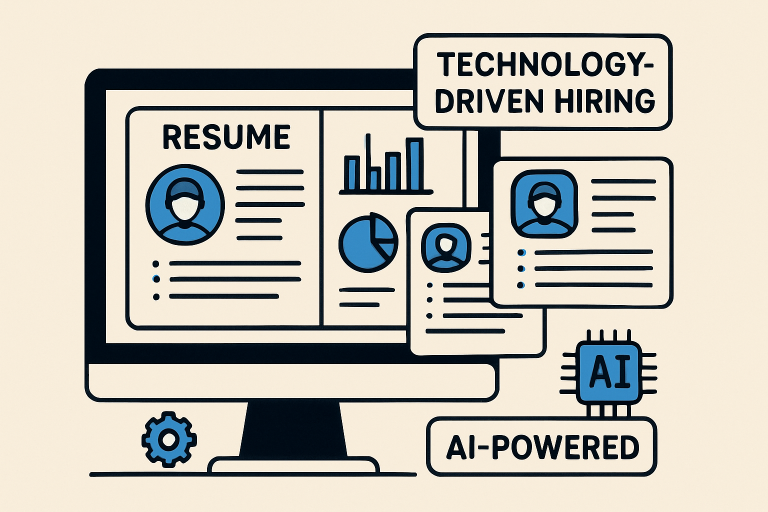
Artificial Intelligence (AI) is revolutionizing recruitment by automating routine tasks and providing deep insights into candidate fit. AI-powered tools now handle everything from resume screening to interview scheduling, freeing up valuable time for HR teams and ensuring a more objective review of applicants. These algorithms can rapidly analyze thousands of resumes, flagging top candidates based on skill match, experience, and even culture fit. According to experts, including research highlighted by SHRM, AI is increasingly shaping both recruitment and retention strategies, helping organizations make smarter, data-driven decisions while reducing bias.

Machine learning and natural language processing are further enhancing the process by enabling predictive analytics, which helps organizations identify candidates with high potential and lower the risk of early turnover. This not only accelerates the time-to-hire process but also creates a fairer and more unbiased recruitment workflow.

online resume

Data-Driven Hiring Decisions

The influx of recruitment technology has led to a wealth of analytics that fundamentally change how hiring decisions are made. Access to real-time data enables recruiters to evaluate the effectiveness of their strategies, forecast future workforce needs, and refine the candidate pipeline.

Organizations that employ a data-driven approach to recruitment enjoy increased efficiency, reduced hiring costs, and better workforce planning. Metrics on time-to-fill, candidate sources, and applicant drop-off rates guide strategic adjustments, ensuring continual improvement.

Evolution of the Candidate Experience

Candidate expectations have shifted swiftly in the digital age. Modern applicants anticipate a hiring process that is transparent, efficient, and interactive. This has led companies to embrace technology-driven methods such as asynchronous video interviews, online skills assessments, and real-time chatbots.

Ensuring a positive candidate journey is essential—not just for hiring success, but also for employer branding. Dynamic communication, constructive feedback, and user-friendly interfaces are key differentiators for organizations.

Remote Work and Accessing Global Talent

The expansion of remote and hybrid work has rewritten the rules of talent acquisition. Teams are no longer limited by geography, allowing companies to access a broader range of skills and backgrounds. This global reach enables the creation of richer, more diverse workforces and promotes greater inclusivity.

With the proper digital infrastructure and collaborative tools, organizations can seamlessly manage hiring, onboarding, and collaboration across borders. This expanded access to global talent creates new opportunities for innovation and growth, particularly for companies that are willing to adopt flexible work arrangements.

Shifting Focus: Skills Over Degrees

A profound shift is occurring in how organizations evaluate potential hires. Increasingly, hiring managers are prioritizing demonstrable skills—both technical and soft—over traditional academic credentials. This change is largely driven by the dynamic needs of modern workplaces, where success often depends on adaptability, problem-solving, and up-to-date expertise.

New tools allow employers to assess skills through simulations, gamified challenges, or stackable micro-credentials. This not only opens opportunities for candidates from diverse educational backgrounds but also ensures a more equitable evaluation process.

Promoting Diversity, Equity, and Inclusion Initiatives

Technology is also a powerful ally in advancing diversity, equity, and inclusion (DEI) within organizations. Automated screening and structured interviews can help mitigate unconscious biases that might arise in manual processes. Sophisticated platforms support ‘blind’ hiring practices, anonymizing candidate data to further level the playing field.

By using digital tools, companies attract a broader range of candidates and foster a fair environment where merit is prioritized.

Embracing the Future of Digital Recruitment

The world of hiring is evolving at an unprecedented pace, driven by technology, data, and changing workforce expectations. Digital tools, AI, and analytics are no longer optional—they are essential for organizations seeking efficiency, fairness, and access to global talent. From enhancing candidate experiences to prioritizing skills over traditional credentials, modern recruitment empowers companies to be more agile, inclusive, and strategic. By embracing these digital shifts, organizations can build stronger teams, foster diversity, and stay competitive in an increasingly dynamic talent landscape.

5 Reasons To Outsource Your HR For Small Businesses

reasons outsource hr small business human resources outsourcing

When you are a small business owner, you will need the support you can to ensure that your staff are taken care of and that you are complying with local business laws, as well as not incurring any fines. For larger businesses, overseeing these areas typically falls to the human resources department, commonly referred to as HR. 

For smaller companies, hiring an entire team to ensure the smooth operation of a company with fewer than one hundred people is not only expensive but also makes minimal sense. 

Ergo, it is commonplace to outsource this role to HR teams, which often operate remotely but are dedicated to helping small businesses stay on the right side of legal jargon, and keep their staff happy and protected. 

So, if you are a small business owner looking to hire an HR team, here are five of the best reasons to outsource rather than hire in-house. 

Saves Money 

As mentioned in the intro, whether you are looking to hire HR Swindon, or you want to hire a HR team in San Francisco, it can be expensive. Wages, computers, and office space can rack up the cost to your small business, as well as having to go through the often-long- winded hiring process. 

Rather than opting for this, by choosing an outsourced HR team, you can access their knowledge as and when you need it, without having to pay for full-time or part-time wages. Many HR teams that are outsourced can offer businesses a range of different services or set duties that they will perform for a set fee per month, so you will know exactly what you are paying for. 

Instant Access To Expertise 

What is the rate of sick pay in your state? How much time does a staff member have to give before taking bereavement leave

Most business owners have no idea so, hiring an outsourced HR team can help you to make sense of the world of technicalities and legal responsibilities behind running a business. What is not to like about that? 

Legal Protection 

The world of business can be a tricky place. Moreso, if you run into legal issues that you had no idea about! 

One of the core reasons why many small business owners outsource their HR is to provide legal protection to their businesses and themselves. By outsourcing to an HR department, you can rest assured that your business is adhering to labor laws, such as wages, paid time off, and sick leave, as well as meeting all relevant local and national policies applicable to your area of business. 

You also reduce the risk of issues occurring with the hiring and termination process. An outsourced HR team can oversee clear job descriptions, ensure a structured interview process, and even draft clear contracts between you and your staff, all with the correct legal terminology, should a legal issue arise in the future. It seems nitpicky but, should anything go wrong, these are the areas that employment lawyers will focus on. 

Saves Time 

For those who may be a bit more ambitious, it can seem more cost-effective to try and run the HR department by themselves. 

Obviously, this is not only exhausting but takes additional HR training, which is not cheap and can eat into the time needed to run their business. So, rather than wasting a lot of money and time learning everything an HR manager needs to know, alongside running your own business and looking after staff, outsourcing the HR department will save you a significant amount of time. Freeing up internal resources will allow you to concentrate your efforts where they are needed, helping your business to expand and succeed. 

Scalable At Minimal Costs 

When your business starts to grow, other areas have to grow with it, and, you guessed it, HR is one of them. 

If you aim to hire an on-site HR team, scaling can be costly, with the average salary of a general HR staff member setting your company back nearly $60,000 a year in wages. Yikes! Beyond just HR, for specialized industries, finding the right talent can be a significant challenge. This is where leveraging a dedicated hiring partner for custom integrators can be transformative, ensuring you secure long-term fits without the internal overhead.

Outsourcing to a dedicated HR team means that as your business grows, you have access to their services too, but not at such a high cost to your company. Many outsourced HR teams offer set packages for businesses, allowing you to assess what level of support you need as your company grows. 

Remember, when looking for a company to outsource your HR to, be sure to check reviews of current clients and conduct interviews with each team to assess their professionalism and suitability.

Protecting Your Rights: Settlement Agreements In Workplace Harassment Cases

workplace harassment settlement agreements protect rights

Workplace issues might be annoying, but when they become harassment, they are not amusing anymore. A settlement agreement can be provided to an employee in situations when a workplace turns hostile. Your rights and future career prospects will be at risk if you decide to accept the conditions of such an agreement before knowing all of its terms. These agreements generally involve non-disclosure, waiver, and likely some payment details you should look over very carefully. Never sign on that dotted line until you are certain that your rights are not exchanged for fine print. Knowledge of what is fair and flexible and what grounds you have for seeking a lawyer can help. This guide will detail such needs. 

What Is A Settlement Agreement In Workplace Harassment Cases? 

A settlement agreement in a workplace harassment case is a legally binding contract between an employee and their employer. Such an agreement is understood to resolve a harassment dispute, usually associated with compensatory payment, a confidentiality agreement, and conditions that both parties should follow. 

Effectively, this gives the employer immunity from potential future claims while providing the best possible resolution for the victims without expensive and time-consuming court proceedings. 

Some settlement conditions can profoundly differ from each other, especially concerning their whisper clause, restraining your ability to speak about it or take any future action. Make sure you have these in your knowledge to ensure that you take care of your rights before signing the agreement. 

Why Are Settlement Agreements Important In Harassment Cases? 

1. Ensures Financial Compensation 

Settlement agreements may commonly provide financial assistance to victims for lost wages, emotional trauma, or legal expenses. This usually allows individuals to move forward without the added stress of a prolonged legal battle. 

2. Offers Legal Protection 

The agreement shall include a clear definition of terms intended to protect both parties so that no claims in the same regard could be litigated in court after it is signed. 

3. Maintains Privacy 

Settlement agreements usually include confidentiality clauses, restricting any public announcements of the very existence of the incident, thus shielding reputation and private information. 

4. Establishes Clear Conduct Guidelines 

It may contain the employer's commitment to come up with new policies, training, or disciplinary actions aimed at ensuring a safer and more respectful workplace in the future. 

5. Provides Faster Resolution 

In contrast to drawn-out court cases, settlement agreements provide a faster method of obtaining closure so that you can concentrate on healing and new opportunities. 

Key Elements Of A Workplace Harassment Settlement Agreement 

A workplace harassment settlement agreement does much more than just allow for a person's signature, this document may shape a person's future. Knowing its primary elements represents the only way to be certain that personal rights are protected and the terms reach a fair and apt conclusion. Thus, what should you be looking out for? 

1. Financial Compensation 

This establishes what you will get paid for losses such as emotional distress, missed paychecks, or attorneys' fees. Ensure that payment details are stated, such as timeline and method. 

2. Confidentiality Clause 

In many instances, the parties are required to keep all details regarding the event highly confidential, which is at both parties' discretion. Make sure that the clause does not unfairly restrict your right to discuss your experiences when it is necessary. 

3. Non-Disparagement Clause 

Both parties retain protection because this clause stops them from producing damaging comments about each other. Verify that this condition stands equally for both your employer and yourself to maintain balanced treatment. 

4. Future Employment Terms 

Some agreements might detail how your termination will be described or if your employer may offer references. Adding these details clarifies how your status will be viewed in the professional world. 

5. Waiver Of Future Claims 

This clause, in effect, restricts your ability to pursue any legal case following the same complaint. It must be read carefully so that you do not inadvertently give away rights that may be important to you. 

Steps To Take Before Signing A Settlement Agreement 

1. Consult An Employment Lawyer 

The agreement review performed by a lawyer enables you to identify unfair terms while helping you secure better contractual conditions. Having legal expertise prevents you from accepting terms that reduce your current or future rights. 

2. Review The Terms Thoroughly 

You shouldn't be skimming the contract, you should be reading it entirely, including every last word. Look out for clauses mentioning confidentiality, financial compensation, or impact on future employment to avoid one or two surprises along the way. 

3. Ask Questions About Unclear Terms 

If any part appears unclear or vague, ask for explanations. The employer might employ some legalese here to obscure what is essential in the agreement. You have to be very sure of what you are going to sign. 

4. Negotiate For Better Terms 

Don't hesitate to negotiate changes if something doesn't seem right. Whether it is greater compensation, improved references, or fewer restrictions, negotiation can make the deal better. 

5. Take Your Time 

You may never feel an immediate pressure to sign. Just take time to reflect, get advice, and consider the long-term consequences before making that decision. 

Conclusion 

It is necessary to understand your rights before settling with a signed agreement. Your protection alongside fair terms becomes possible by seeking professional legal assessment during the review process.

Signs You're Being Discriminated Against at Work

work discrimination signs

Discrimination in the workplace can manifest in various ways, impacting your career, overall well-being, and mental health. Did you know that according to the Equal Employment Opportunity Commission (EEOC), they have handled more than 500,000 calls and registered approximately 81,055 new complaints in 2024? 

Discrimination in the workplace can take many forms, some of which are clear while others may be more subtle. Being aware of workplace discrimination signs is crucial. Being aware of this can enable you to address challenges more effectively and seek the right support when necessary. 

If you are facing these challenges, it might be a good idea to reach out to a legal expert for guidance. Many discrimination lawyers offer free consultations, allowing you to explore your options and understand your rights without financial pressure. 

Here are some indicators that you may be experiencing discrimination at work: 

Sudden Increase In Criticism 

If you notice a sudden rise in criticism at work, it could indicate that you are facing workplace discrimination. This shift in behavior towards you can be unsettling and demoralizing. You might notice that the feedback you receive feels unfair compared to what you’ve actually done, or it may come across as unclear and not very helpful. Trust your instincts and not dismiss these occurrences as mere coincidences. 

According to a workplace discrimination lawyer from Jimenez Loayza, APC, when faced with increased criticism, documents each instance, including what was said, who was involved, and any potential witnesses. This record could serve as important evidence if you decide to formally address the situation. Consider reaching out to trusted colleagues or a mentor who can offer valuable insights on what you are facing. 

Unequal Opportunities For Advancement 

If you notice patterns of unequal opportunities for advancement, it could be a sign of potential discrimination in your workplace. One major red flag is being repeatedly passed over for promotions, despite having the necessary skills, qualifications, and experience. If colleagues with similar or even less experience consistently receive promotions ahead of you, it could suggest an underlying bias. 

Receiving less challenging or visible projects, while others receive more responsibility and growth opportunities, is another warning sign. Stuck in the same role with no clear path for advancement could indicate unfair holdbacks. 

Pay attention to how different groups are treated within the organization. If certain individuals or groups consistently receive promotions faster than others, it may indicate systemic discrimination. It is important to document these patterns and, if necessary, have a conversation with HR or a trusted mentor to address any potential biases or inequities. By being proactive, you can better understand and address any obstacles to your career growth. 

Exclusion From Important Meetings 

Consistently missing crucial discussions or decision-making sessions that directly affect your work can lead to feelings of undervaluation and marginalization within the company. Exclusion from these meetings makes it harder for you to contribute your ideas and expertise and limits your opportunities for career growth and advancement. 

Being left out of important meetings can result in missed chances to showcase your skills, share insights, or network with key stakeholders. This exclusion may prevent you from keeping up with important developments or changes within the organization, putting you at a disadvantage compared to your colleagues who know such information. 

If you find yourself consistently left out of important meetings without a satisfactory explanation, it could indicate a form of workplace discrimination. Talk to your supervisor or HR department about this issue to ensure that everyone is treated fairly and has equal opportunities. 

Inconsistent Enforcement Of Policies 

Applying rules and regulations unevenly among employees can make some people feel unfairly targeted. For example, if one employee consistently receives warnings for minor infractions while others engaging in similar behavior go unnoticed, it could indicate bias or preferential treatment. 

This inconsistency can manifest in various ways, such as selective enforcement of dress codes, break times, or performance standards. Discipline policies may also demonstrate this inconsistency, subjecting some employees to harsh consequences for mistakes that others overlook. When policies aren't consistently upheld, it can lead to feelings of unfair treatment and frustration among those singled out. 

If you are on this type of unequal enforcement, document instances of disparate treatment and consider discussing your concerns with HR or a supervisor. 

Unequal Pay Or Benefits 

Unequal pay for employees doing similar work based on factors like gender, race, or age is illegal and goes against the principles of fairness. If the organization is offering you a lower salary compared to others in similar positions without a satisfactory explanation, it could suggest discrimination. 

Apart from salary discrepancies, differences in benefits such as healthcare coverage, retirement plans, or bonuses can also signal discrimination. If certain employees receive better health insurance or more generous vacation days for discriminatory reasons, it creates an unfair and biased work environment. 

You can start by gathering information about the compensation and benefits structure within your workplace to address unequal pay or benefits. If you suspect discrimination, consider discussing the issue with HR or seeking advice from a legal professional specializing in employment law to understand your rights and options. Fair compensation and benefits are important components of a respectful and equitable workplace. 

Conclusion 

If you notice any of these signs in your workplace, it is important not to ignore them. Workplace discrimination is unacceptable, and you have the right to advocate for yourself and address any unfair treatment. Trust your instincts and consider speaking with HR or a supervisor about your concerns. If your concerns are not properly addressed, it may be time to consult with a discrimination lawyer who can provide expert guidance on how to proceed. Remember, discrimination should never hinder your well-being or career advancement.

Comparing Staff Augmentation With Other Outsourcing Models

staff augmentation versus outsourcing models

Companies often seek to fill skill gaps or streamline operations through outsourcing. However, choosing the right one for your project can take time and effort, given the different outsourcing models available. This guide explores staff augmentation alongside other popular outsourcing options, helping you make an informed decision. 

Overview Of Outsourcing Models 

There are three main outsourcing models to consider: 

Staff Augmentation is a strategic business practice that involves temporarily adding skilled professionals to an existing in-house team. This model often addresses specific project requirements, bridges skill gaps, or augments existing resources. It offers flexibility, control, and knowledge transfer benefits. 

In contrast, Complete Outsourcing entails delegating entire projects or business functions to external vendors. These vendors assume full responsibility for deliverables, often utilizing their teams and resources. This model is typically driven by cost reduction, access to specialized expertise, and reduced management burden. 

Freelancing is another outsourcing option for hiring independent contractors for specific tasks or projects. This model offers flexibility, cost-effectiveness, and access to a diverse talent pool. However, it requires careful project management and quality control. 

Pros And Cons Of Each Model 

Here is a breakdown of the advantages and disadvantages of each outsourcing approach: 

Staff Augmentation: 

• Pros: 

o Scalability: Easily scale your team up or down based on project needs. 
o Control: Maintain control over project direction and deliverables. 
o Knowledge Transfer: Augmentation staff can share expertise with your internal team. 
o Faster Integration: Quicker onboarding compared to complete outsourcing. 

• Cons: 

o Management Overhead: Requires dedicated effort to manage external staff. 
o Potential Communication Issues: Ensuring smooth communication across internal and external teams can be challenging. 
o Cost: Long-term projects may have more cost-effective options. 

Complete Outsourcing: 

 Pros: 

o Cost Savings: Potential for significant cost reductions due to lower labor costs in some regions. 
o Specialized Expertise: Access to a broader talent pool with specific skill sets. 
o Reduced Management Burden: Less management responsibility for the outsourced component. 

 Cons: 

o Loss of Control: Limited control over the project execution and deliverables. 
o Communication Challenges: Geographical and cultural differences can hinder communication. 
o Integration Issues: Integrating deliverables from the outsourced team can be complex. 

Freelancing: 

 Pros: 

o Cost-Effective: Often the most affordable option, especially for smaller tasks. 
o Access to Diverse Skills: A broad talent pool with niche skill sets is available. 
o Flexibility: Easily hire and dismiss freelancers based on need. 

• Cons: 

o Quality Control: Ensuring consistent quality can be challenging. 
o Project Management: Requires significant project management effort on your end. 
o Communication Issues: May face communication barriers with remote freelancers. 

Summary of key differences: 

Choosing The Right Model For Your Project 

The optimal outsourcing model depends on several key factors: 

1. Project Needs: 

- Skillset Assessment: Carefully evaluate the specific skills and expertise required for your project. 

- Project Complexity: Determine the level of complexity and technicality involved in the tasks. 

- Long-Term vs. Short-Term: Consider whether the project is a one-time endeavor or part of ongoing operations. 

2. Budget: 

- Cost-Benefit Analysis: Compare the potential cost savings of each model against the associated risks and benefits. 

- Hidden Costs: Factor in hidden costs such as contract negotiations, project management overhead, and potential communication challenges. 

- Long-Term Savings: Evaluate how each model can contribute to long-term cost savings through efficiency gains or improved quality. 

3. Timeline: 

- Urgency: Assess the level of urgency and flexibility required for project completion. 

- Scalability: Consider how each model can accommodate project timelines or scope changes. 

- Project Milestones: Identify critical milestones and deadlines that need to be met. 

4. Control: 

- Level of Involvement: Determine how much control you want to retain over project direction, decision-making, and quality assurance. 

- Risk Tolerance: Assess your risk tolerance and whether you are comfortable with the potential risks of different models. 

- Communication Preferences: Consider your preferred communication style and how well it aligns with each model's communication channels. 

Actionable Tips: 

By following these guidelines and considering the specific factors relevant to your project, you can make an informed decision and select the outsourcing model that best aligns with your business objectives and goals. 

- Conduct a Thorough Needs Assessment: Clearly define your project objectives, scope, and requirements. 

- Research and Compare Models: Explore the advantages and disadvantages of each model based on your specific needs. 

- Request Proposals: Obtain proposals from potential vendors or freelancers to compare costs, timelines, and deliverables. 

- Negotiate Contracts: Carefully review and negotiate contracts to ensure they align with your project requirements and protect your interests. 

- Monitor and Evaluate: Continuously monitor project progress, evaluate performance, and adjust as needed. 

Summary 

Staff augmentation might be ideal for short-term projects requiring specific skills you lack. Complete outsourcing is better suited for large-scale, well-defined projects where cost is a major concern. For small, well-defined tasks, freelancing can be a cost-effective option. 

By understanding each outsourcing model's distinct features and considerations, you can make an informed decision that aligns with your project's requirements and organizational goals. Remember, no single model is a perfect fit for every situation. By carefully weighing your needs, you will be able to leverage outsourcing effectively, access specialized skills, and optimize your team's capabilities. Visit pharmbills.com to explore additional resources on optimizing your business operations.

4 Positions You Must Fill At Your Startup Successfully

positions fill startup success recruiting employees hiring lean startup life blog

Starting a new business involves a lot of hard work and commitment. The entire process can be very overwhelming and can be even harder if you do not have the right people working with you. While a start-up company may not afford to hire a lot of people at the beginning, few positions need to be filled so that the business may grow. The first people you hire in the lean startup you started will set the tone of your business, which is the reason you must do your best to recruit a reliable team. 

Here is a list of basic positions that you need to fill for your business to succeed. 

1. Administrative Employee 

With a new business, you will need someone to handle people’s inquiries and ensure that everything at work is functioning well. As an entrepreneur, you will have a lot of things to handle both inside and outside the company when it is new and when you are away you will need someone to coordinate everything else. The administrator will ensure that every department in the business is working well, receive calls professionally and order office supplies in good time to avoid stoppage of work

2. Finance Representative 

Many start-up entrepreneurs do not consider hiring accountants because they feel like they can manage their little capital on their own. However, this is very wrong because poor cash flow management is one of the reasons why many startups fail. The finance representative you get will not only help you to manage your initial capital responsibly but also look for financial aid when need be. Sometimes you may even require to consult a third party when it comes to financial matters and based on the consulting definition; you will benefit from an experts advice. A full charge bookkeeper is also an important employee that will also help you set realistic goals and also provide reports on the same. 

3. Head Of Marketing 

In every business, whether it is a start-up company or established business, marketing has always been an essential function. You must fill this position in your startup business so that the creation and implementation of marketing plans and strategies is done properly and at the right time. He will also assist you to identify your target market, prepare marketing messages, test your products and oversee product promotion and advertisement. When it comes to launching your brand, you can also consider hiring a marketing consultant so as to do it properly and effectively. However, you need to understand what is consulting because you will not rely on the services of a consultant always. When hiring an in-house marketer, consider someone you understand internet marketing because, in today’s digital world, almost everyone rushes to the internet when in need of shopping. 

4. Customer Care Representative 

Customer care function must be topnotch especially with your new business, and therefore you must find someone who will handle your customers properly. Most new entrepreneurs tend to attend to their customers in their free time, but unfortunately, when customers feel like they are being ignored, they take their business somewhere else. It can be hard to acquire new customers, but if you can’t manage to retain the ones you have, your marketing efforts will always be in vain. Your customer care representative will act as a consultant and going by consulting definition, or if you know what is consulting, he must have extensive knowledge of your brand and how the business operates. When customers feel valued, they will always want to come back for more services from you. 

Conclusion

If you have that brilliant idea and have gone out of your way to establish it as a startup company, consider using some help from knowledgeable people in different functions. For startups, fill a few positions as described above and these people will help you transform your idea into a successful business. 


I hope you enjoyed this article about positions you want to fill within your lean startup to make it successful.

Interested in reading more articles about lean startup success? 

Read My Posts: 

- All About Project Management

- The Battle Of Utilities That Small Businesses Face

More Lean Startup Life Lessons Below

Employee Of The Month 2.0: Modernizing Recognition Programs In Small Businesses

employee of the month small business recognition programs

In the dynamic tapestry of today's workplace, the classic "Employee of the Month" title—a once-coveted accolade—seems to hang on the wall like a relic of a bygone era. The quest to modernize this antiquated tradition is not just about dusting off an old frame; it is about reweaving recognition into the very fabric of organizational culture. 

Forward-thinking small businesses are now pioneering innovative ways to honor their workforce, ensuring that appreciation is not just a monthly event but a continuous ripple throughout the workplace. 

The Evolution Of Workplace Recognition 

Gone are the days when a simple plaque and prime parking spot could encapsulate employee appreciation. Today’s workforce seeks recognition that resonates on a personal level and aligns with their values and aspirations. 

Psychological insights reveal that individualized and meaningful recognition can dramatically bolster motivation, engagement, and loyalty. By interlacing these elements into the recognition tapestry, small businesses can foster a vibrant corporate culture where employees feel genuinely valued. 

Crafting Personalized Recognition Experiences 

In a world brimming with unique individuals, a one-size-fits-all approach to recognition is as outdated as the fax machine. Contemporary recognition programs are tailoring their accolades to fit the multifaceted nature of their employees. This could mean celebrating professional milestones, personal achievements, or even quirky talents. 

An employee who is a coding wizard might be recognized differently from the one who brings harmony to the team—each woven into the company's narrative with their distinctive thread. 

Integrating Technology: Employee Recognition Software 

The integration of employee recognition software is akin to adding a loom to our metaphorical weavery. This technology streamlines the process of recognition, allowing for a seamless and efficient way to ensure no good deed goes unnoticed. 

These platforms provide a space where accolades can be given and received in real-time, creating an ongoing symphony of appreciation that resonates throughout the company walls and beyond. 

Fostering Peer-To-Peer Recognition

Imagine a workplace where accolades cascade down from management but also bubble up from the ranks. Peer-to-peer recognition programs empower employees to acknowledge each other's contributions, weaving a stronger bond within the team. 

This democratic approach to appreciation fosters a sense of camaraderie and collective achievement, as every member of the team becomes both a weaver and a thread in the recognition tapestry. 

Aligning Recognition With Company Values 

Recognition programs that echo a company's core values not only honor the employee but also reinforce the very ethos of the business. When recognition is bestowed for actions that embody these values, it sends a clear message about what the organization stands for. Through this alignment, recognition becomes a conduit for cultural cohesion, threading together the individual and the collective, the personal and the professional. 

Measuring The Impact Of Recognition Programs 

To truly understand the value of a modernized recognition program, small businesses must keep their finger on the pulse of its impact. Surveys, feedback loops, and performance metrics can all serve as gauges to measure the effectiveness of recognition initiatives. By analyzing this data, organizations can fine-tune their approach, ensuring that the recognition they offer continues to inspire and motivate their workforce in meaningful ways. 

Conclusion 

In conclusion, the tapestry of employee recognition is being reimagined in small businesses across the globe. As the traditional "Employee of the Month" program undergoes a transformation, it becomes clear that recognition in the modern workplace is about far more than just a title or a token—it is about creating an environment where each employee feels seen, valued, and connected to the broader mission of the company. 

Through personalized experiences, technology integration, peer acknowledgment, value alignment, and impact measurement, the new era of employee recognition is not only more relevant and effective but also more human. It is time to embrace this change and weave recognition into the daily rhythm of work life, ensuring that every employee has the opportunity to shine and that their unique contributions are celebrated in a way that truly matters.

How To Keep Employees Safe In Winter

how to keep employees safe during winter season workplace safety

Winter may have its attractions, but it also brings a fair number of hazards, many of which revolve around the severity of the weather (and, if we are honest, the fact that it is a time of year when a lot of alcohol can be consumed). Here are some tips on how to keep your employees safe in winter. 

Review Your Bad-Weather Policy 

For many employees the key question is whether or not they will be paid if they are unable to make it to work due to severe weather. Legally, the answer is (usually) no, they are not providing the contracted service; therefore they are not entitled to their contracted pay. In practice, it can make sense to pay staff in any case so they do not either try to come into work when it is not safe to do so or stress about missing out on wages, which could create issues further down the line. 

If staff are unable to make it to work because the weather has caused unexpected issues with dependents (e.g. school closures), then you are entitled to require them to take the day as unpaid leave. You may still choose to pay them, but this can be a bit more sensitive as other employees will be working. If, however, you need to shut down the office, then you (usually) have to pay staff as this is your decision. 

Encourage Staff To Call In Sick When They Are Ill 

Even if you suspect that the “illness” is actually a hangover, you probably don’t want semi- unconscious staff in your office, they’re unlikely to work to a decent standard and they could be a health-and-safety threat not just to themselves but to other staff. 

If you are implementing effective absence-monitoring then you should be able to pick up if staff are abusing this, but for the most part, just being realistic about the fact that some people are going to pull the odd “sickie” probably makes more practical sense than doing anything which makes staff feel like they must drag themselves (and their germs) into work no matter what. 

Review Your Health, Safety And Security 

While these are technically separate issues, in practice there is a lot of crossover between them. For example, in winter, days get shorter, which means that staff are more likely to arrive and/or depart during the hours of darkness. This means that they need good lighting in which to do so and this will also help provide security, which, in turn, improves health and safety (by stopping staff from being attacked as they go to and/or from work). 

The big health-and-safety hazard in winter tends to be lack of grip, either from ice or from rain or melting snow dripping off staff and onto walkways as people enter buildings. Externally, it is wise to have a process in place for improving the grip on pavements as need be (even if the local authority should do it for you). Internally, you might want to see if you need to update floor covering in high-footfall areas to prevent it from becoming slippery when it gets wet (which it almost inevitably will). 

Watson and Watson are health and safety consultants, providing a wide range of consultancy services including a competent advisor services and health and safety risk assessments.

UK Sick Days And The Supplements Solution

uk sick days dietary supplements help immune system

Staff sickness is a problem in the UK, but could it be remedied by employers providing their workforce with supplements? 

These Dietary Supplements Could Help Improve Your Health

Reports suggest that UK workers fear taking time off, meaning employees are reporting to work ill, according to the Office for National Statistics. Last year, the average employee took 4.2 days off due to sickness, with members of the public sector said to lose 3.5% of their working hours because of ill health related issues. 

However, Frankie Brogan, a Senior Nutritionist for Pharma Nord states that this could be significantly lowered if companies introduced the right nutritional approaches: “Companies are all for enhancing their colleagues’ well-being. Whether it is providing free gym facilities or fruit bowls, looking after your workforce’s health can prove beneficial for their productivity and morale. 

“Supplements are a great way to boost your team’s health and nutrition, which will in turn enhance their performance. By offering supplements to your colleagues, they will also benefit from the knowledge that you care for their well-being.” 

A big concern for businesses remains stress-related illnesses. A survey carried out by well-being specialists, Forth, found that 85% of adults in the UK regularly experience stress. There are many supplements that could help relieve your stress levels. And supplements such as Coenzyme Q10, for example, can contribute to normal cognitive function. 

Dry eyes from staring at a computer are also often an issue for office workers. This problem can be helped by taking regular screen breaks; but general hydration is also aided with Omega 7, which can also help with irritated eyes. 

Magnesium can help with muscle and nerve function. Studies have found that this mineral supports sleep and, as pointed out above, stress can be caused by tiredness. While many workforces offer free fair trade coffee and tea facilities, magnesium supplements could be a great opportunity to reduce fatigue in the workplace – with a staggering 76% of the UK’s workforce claiming to be tired most weekdays. 

Seasonal changes should be factored in, too. Especially for those who work in an office-based role, winter can leave us with a significantly low level of vitamin D due to the lack of sunlight. This can mean that our immune system may falter as it’s not getting the nutritional benefits required. 

Vitamin D3 is one supplement that can contribute to the normal functioning of the immune system, therefore maintaining a healthy workforce. In fact, public health advice for the UK even recommended this supplement for a ‘top up’. 

One in five of the UK’s population have low vitamin D levels. For many of us, our diet simply won’t provide sufficient levels of the nutrient, so the supplement can be a quick and easy way to enhance our intake. 

“While supplements aren’t a ‘replacement’, they can be beneficial and provide nutritional goodness,” added Brogan. “They are a cost-effective way to support your immune system and enhance your overall well-being.” 

In the UK, productivity levels are still lagging behind neighbouring countries. A well-being process being put in place by companies could help engage staff, and increase productivity. Of course, just offering dietary supplements isn’t enough, but it can certainly help towards creating a healthier workplace. 

Other ‘perks’ being used to reduce pressure levels in addition to dietary supplement use include flexible working. This can help reduce stress levels and promote a better work-life balance. According to a YouGov survey, one in five workers are currently dissatisfied with their work-life balance and complain about always being ‘switched on’. By allowing your staff an element of flexibility you will show an understanding to their circumstances, meaning they’ll be more likely to be fully productive on the hours they are in work. 

This also applies to remote working, too. Technology is allowing more roles to be completed away from the office, meaning working from a remote location is possible – and sometimes preferred. 

While supplements may go under the radar as being one of the ‘top perks’ offered, they may well be one of the most important if they contribute to a healthier workforce.

The Lean Startup Life Media Network Newest Blog Posts: