Streamlined Employee Screening For Secure Hiring Solutions

Global Energy Recruitment And Payroll Solutions In Netherlands

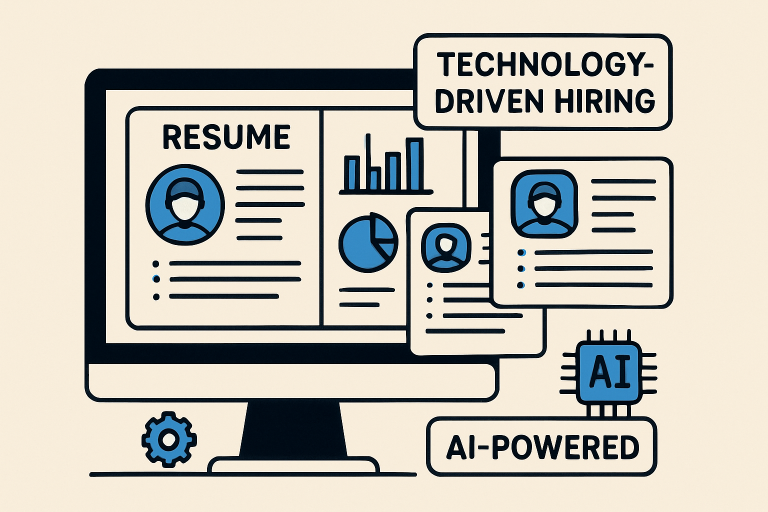
Future Trends In Talent Acquisition: How Technology Is Shaping Hiring Practices

Table of Contents
- Digital Shifts in Modern Hiring
- The Role of Artificial Intelligence in Recruitment
- Data-Driven Hiring Decisions
- Evolution of the Candidate Experience
- Remote Work and Accessing Global Talent
- Shifting Focus: Skills Over Degrees
- Promoting Diversity, Equity, and Inclusion Initiatives
- Embracing the Future of Digital Recruitment
Digital Shifts in Modern Hiring
The landscape of talent acquisition is experiencing rapid transformation as technology reshapes how organizations approach hiring. Traditional recruitment methods—such as paper resumes, face-to-face interviews, and manual job postings—are quickly being outpaced by digital-first strategies that prioritize efficiency, accessibility, and data-driven outcomes. This fundamental digital shift has been particularly accelerated by global events, such as the COVID-19 pandemic, compelling companies to adapt and innovate at an unprecedented rate.
Modern employers are increasingly relying on advanced digital platforms to source, assess, and onboard talent, with leading solutions found on every reputable recruiting website. These platforms centralize hiring processes, offer automation tools, and integrate analytics that empower HR professionals to make more informed decisions, enhance communication, and tap into broader talent pools.
The Role of Artificial Intelligence in Recruitment
Artificial Intelligence (AI) is revolutionizing recruitment by automating routine tasks and providing deep insights into candidate fit. AI-powered tools now handle everything from resume screening to interview scheduling, freeing up valuable time for HR teams and ensuring a more objective review of applicants. These algorithms can rapidly analyze thousands of resumes, flagging top candidates based on skill match, experience, and even culture fit. According to experts, including research highlighted by SHRM, AI is increasingly shaping both recruitment and retention strategies, helping organizations make smarter, data-driven decisions while reducing bias.
Machine learning and natural language processing are further enhancing the process by enabling predictive analytics, which helps organizations identify candidates with high potential and lower the risk of early turnover. This not only accelerates the time-to-hire process but also creates a fairer and more unbiased recruitment workflow.

Data-Driven Hiring Decisions
The influx of recruitment technology has led to a wealth of analytics that fundamentally change how hiring decisions are made. Access to real-time data enables recruiters to evaluate the effectiveness of their strategies, forecast future workforce needs, and refine the candidate pipeline.
Organizations that employ a data-driven approach to recruitment enjoy increased efficiency, reduced hiring costs, and better workforce planning. Metrics on time-to-fill, candidate sources, and applicant drop-off rates guide strategic adjustments, ensuring continual improvement.
Evolution of the Candidate Experience
Candidate expectations have shifted swiftly in the digital age. Modern applicants anticipate a hiring process that is transparent, efficient, and interactive. This has led companies to embrace technology-driven methods such as asynchronous video interviews, online skills assessments, and real-time chatbots.
Ensuring a positive candidate journey is essential—not just for hiring success, but also for employer branding. Dynamic communication, constructive feedback, and user-friendly interfaces are key differentiators for organizations.
Remote Work and Accessing Global Talent
The expansion of remote and hybrid work has rewritten the rules of talent acquisition. Teams are no longer limited by geography, allowing companies to access a broader range of skills and backgrounds. This global reach enables the creation of richer, more diverse workforces and promotes greater inclusivity.
With the proper digital infrastructure and collaborative tools, organizations can seamlessly manage hiring, onboarding, and collaboration across borders. This expanded access to global talent creates new opportunities for innovation and growth, particularly for companies that are willing to adopt flexible work arrangements.
Shifting Focus: Skills Over Degrees
A profound shift is occurring in how organizations evaluate potential hires. Increasingly, hiring managers are prioritizing demonstrable skills—both technical and soft—over traditional academic credentials. This change is largely driven by the dynamic needs of modern workplaces, where success often depends on adaptability, problem-solving, and up-to-date expertise.
New tools allow employers to assess skills through simulations, gamified challenges, or stackable micro-credentials. This not only opens opportunities for candidates from diverse educational backgrounds but also ensures a more equitable evaluation process.
Promoting Diversity, Equity, and Inclusion Initiatives
Technology is also a powerful ally in advancing diversity, equity, and inclusion (DEI) within organizations. Automated screening and structured interviews can help mitigate unconscious biases that might arise in manual processes. Sophisticated platforms support ‘blind’ hiring practices, anonymizing candidate data to further level the playing field.
By using digital tools, companies attract a broader range of candidates and foster a fair environment where merit is prioritized.
Embracing the Future of Digital Recruitment
The world of hiring is evolving at an unprecedented pace, driven by technology, data, and changing workforce expectations. Digital tools, AI, and analytics are no longer optional—they are essential for organizations seeking efficiency, fairness, and access to global talent. From enhancing candidate experiences to prioritizing skills over traditional credentials, modern recruitment empowers companies to be more agile, inclusive, and strategic. By embracing these digital shifts, organizations can build stronger teams, foster diversity, and stay competitive in an increasingly dynamic talent landscape.
Time Management Strategies That Work For Managers And Employees

Key Takeaways:
- Learn effective time management techniques that enhance productivity.
- Gain insights that are helpful for both managers and employees.
- Understand how structured time management boosts workplace efficiency.
The Importance of Time Management
Time, an irreplaceable resource, is paramount in personal and professional domains. For managers and employees who strive to excel, understanding how to allocate and utilize time wisely is crucial to transforming productivity and achieving success. This understanding is not just about cramming more activities into a schedule; it is about making meaningful use of time to reach objectives without feeling overwhelmed. Tools like TimeCatchApp can support this effort by helping individuals track, prioritize, and optimize their time effectively. Individuals can effectively alleviate stress and significantly improve efficiency by implementing tried-and-true strategies. This, in turn, leads to enhanced job satisfaction and a more harmonious workplace.
Understanding the Challenges
Various challenges often arise in the pursuit of effective time management. Among the most common obstacles are frequent distractions and the demands of handling multiple projects simultaneously. If not managed properly, these challenges can derail focus and reduce productivity. One vital tool in overcoming these hurdles is utilizing the right HR software, which is pivotal in streamlining scheduling and task allocation processes. Automating routine administrative tasks enables managers and employees to concentrate on activities that drive business goals forward, allowing them to reclaim valuable time that would otherwise be lost to inefficiencies.
Effective Strategies for Managers
- Prioritize Tasks: Effective time management means prioritizing tasks according to urgency and importance. Managers can help their teams concentrate on activities that align with organizational objectives and create meaningful results. By encouraging focus on high-priority projects, teams can maintain momentum throughout the day and clearly understand what needs to be accomplished.
- Delegation: Delegation is a vital component of effective time management for managers. It involves trusting the team's abilities and redistributing responsibilities to manage workloads more effectively. Managers can free up their time for critical thinking and leadership by delegating tasks. Additionally, delegation empowers staff by providing them with opportunities for skill development and helps foster a positive, collaborative work environment.
Strategies That Work for Employees
- Utilizing To-Do Lists: Start the day with a prioritized to-do list to maintain focus and track progress. This boosts productivity and boosts employee morale.
- Time Blocking: Allocating specific time slots for different daily activities to minimize distractions and promote deep work. This enhances concentration levels and improves overall efficiency.
Establishing a Routine
Making a timetable is one of the most critical components of effective time management. A consistent schedule promotes the development of productive habits, making it easier to transition between tasks without losing focus. Additionally, routines provide structure and predictability, reducing decision fatigue and enhancing output and job satisfaction. Maintaining discipline in adhering to a well-defined routine ensures that productivity becomes not just an aspiration but a habitual part of the workday. Over time, this leads to a seamless and efficient work experience supporting personal well-being and professional success.
Tools to Help Manage Time
The deliberate use of appropriate tools can greatly enhance the effects of proficient time management. Various online resources, such as digital calendars and project management applications, offer invaluable assistance in organizing daily tasks and clarifying priorities. By implementing these tools, individuals can streamline their workflows and eliminate the guesswork associated with task organization. Leveraging these technologies enables more efficient time management, which results in marked improvements in productivity, providing a comprehensive return on investment that can be realized by individuals and organizations alike.
Creating a Balanced Work Environment
Creating a balanced work environment is essential, ensuring time management becomes a collaborative responsibility. When managers and staff work in tandem toward optimizing their schedules, a culture of cooperation and mutual support emerges. This harmonious approach fosters a workplace where the shared goal of efficiency and productivity is consistently strived for, resulting in collective achievements that benefit the organization. Such an environment boosts morale and enhances employee satisfaction and retention, contributing to long-term organizational success.
Long-Term Benefits of Efficient Time Management
Effective time management provides various lasting advantages that go beyond short-term gains. Companies that excel in time management ultimately achieve a competitive edge in the market. By maximizing their available hours, companies can see increased productivity and enhanced employee satisfaction, leading to greater output and innovative growth opportunities. Most importantly, time management is a strategic approach to work and a pathway to cultivating a sustainable and fulfilling lifestyle for everyone involved. By integrating these strategies into daily practices, employees and managers can achieve a more balanced and rewarding professional experience.
How Can Business People Attract Gen Z To Join Them?
Development
Signs You're Being Discriminated Against at Work

Comparing Staff Augmentation With Other Outsourcing Models
How To Lift Employee Morale During A Crisis

The Integral Role Of Employee Development Programs In Modern Business

Key Takeaways
- Employee development programs are vital for enhancing workforce capabilities and competitive advantage.
- Investing in employees' educational growth can increase organizational innovation, productivity, and loyalty.
- Strategically aligning educational programs with business objectives ensures a mutually beneficial outcome for employees and the company.
- Measuring the effectiveness of workforce education initiatives is essential for continuous improvement and achieving desired returns on investment.
Table of Contents
- Introduction
- Why Invest in Employee Education?
- Implementation Strategies
- Tracking Success
- Overcoming Challenges
- An Employee Perspective
- Looking Forward
- Final Thoughts
The industrial landscape of the 21st century is driven by continuous advancement and change, compelling companies to foster a culture of constant learning and knowledge acquisition. Central to this pursuit is deploying robust employee development initiatives, such as a tuition reimbursement plan. Such programs are instrumental in honing the workforce's skill set and ensuring alignment with the organization's strategic goals. By examining the importance and integration of these educational strategies, this article will unravel how they catalyze personal and company-wide growth.
Why Invest in Employee Education?
The workforce is the backbone of any business, and investment in its development is essential for fostering an environment of innovation and progression. According to a study, companies prioritizing employee education often enjoy higher productivity and decreased employee turnover. These benefits transcend operational efficiency; they engender a culture of loyalty and intellectual vigor, which can be a company's greatest asset in the face of dynamic market demands.
In today's fast-paced economy, a workforce with a versatile and expanding skillset is invaluable. Not only are well-educated employees better equipped to manage new technologies and processes, but they are also more likely to seek innovative solutions to complex problems proactively. By fostering a culture that values learning, businesses can enhance adaptability and ensure long-term viability.
Implementation Strategies
Successful implementation of an employee education program necessitates a multi-faceted approach. It must begin with a crystal-clear articulation of program objectives that resonate with and support the broader organizational goals. Such alignment means that the knowledge and competencies gained through the program will directly feed into the operational and strategic advancements of the organization.
Developing partnerships with educational institutions is another strategic move that can provide employees access to tailored courses that are contextually relevant to their job roles. Fostering a workplace culture that values and encourages learning is equally important. This can be achieved through internal campaigns, providing channels for feedback, and publicly recognizing and rewarding educational achievements.
Tracking Success
Establishing clear metrics and benchmarks from the outset is crucial for quantifying the success of employee development programs. Regular monitoring and analyzing these metrics can validate a company's investment impact. A study indicates the necessity for an ongoing assessment of such initiatives, which can institutionalize a continual improvement cycle and help pinpoint areas for refinement.
Overcoming Challenges
Implementing comprehensive workforce education programs is challenging for employers and employees alike. Companies must carefully balance the investment in development with the immediate productivity demands of the business. Employees must be able to participate actively in learning initiatives without adversely impacting their work-life balance. Overcoming skepticism can also be challenging when re-introducing employees to an educational setting after a long hiatus from formal learning environments. Developing a supporting structure within the company that encourages participation and nurtures learning is integral to the success of these programs.
An Employee Perspective
From an employee standpoint, education is often viewed as a pathway to personal and career advancement. When an employer supports educational endeavors, it is perceived as an investment in their potential. A strategic approach is needed for employees to combine work commitments with academic pursuits effectively. Key to this is effective time management, access to flexible learning formats, and the utilization of employer-offered supports such as tutoring, mentoring, or educational subsidies. Ensuring employees have these tools can significantly enhance their learning experience.
Looking Forward
Beyond the current landscape, the future of workforce education appears particularly promising. Emerging educational technologies such as virtual classrooms, gamification, and AI-powered personalized learning are set to revolutionize employee development. These innovations can create more immersive and flexible learning experiences that cater to diverse learning styles and schedules. For businesses, staying ahead of these trends can mean a workforce that is more engaged, versatile, and prepared for the complexities of future market landscapes.
Final Thoughts
The relationship between employee development and business success is undeniable. Businesses can expect many positive outcomes by thoughtfully crafting education programs and providing the necessary tools for employees to grow. These include a more knowledgeable workforce, a nurturing company culture, enhanced employer branding, and a formidable position in the industry. As the corporate world evolves, those who invest wisely in their workforce education initiatives will likely reap the most significant rewards.
4 Positions You Must Fill At Your Startup Successfully

Starting a new business involves a lot of hard work and commitment. The entire process can be very overwhelming and can be even harder if you do not have the right people working with you. While a start-up company may not afford to hire a lot of people at the beginning, few positions need to be filled so that the business may grow. The first people you hire in the lean startup you started will set the tone of your business, which is the reason you must do your best to recruit a reliable team.
1. Administrative Employee
With a new business, you will need someone to handle people’s inquiries and ensure that everything at work is functioning well. As an entrepreneur, you will have a lot of things to handle both inside and outside the company when it is new and when you are away you will need someone to coordinate everything else. The administrator will ensure that every department in the business is working well, receive calls professionally and order office supplies in good time to avoid stoppage of work.
2. Finance Representative
Many start-up entrepreneurs do not consider hiring accountants because they feel like they can manage their little capital on their own. However, this is very wrong because poor cash flow management is one of the reasons why many startups fail. The finance representative you get will not only help you to manage your initial capital responsibly but also look for financial aid when need be. Sometimes you may even require to consult a third party when it comes to financial matters and based on the consulting definition; you will benefit from an experts advice. A full charge bookkeeper is also an important employee that will also help you set realistic goals and also provide reports on the same.
3. Head Of Marketing
In every business, whether it is a start-up company or established business, marketing has always been an essential function. You must fill this position in your startup business so that the creation and implementation of marketing plans and strategies is done properly and at the right time. He will also assist you to identify your target market, prepare marketing messages, test your products and oversee product promotion and advertisement. When it comes to launching your brand, you can also consider hiring a marketing consultant so as to do it properly and effectively. However, you need to understand what is consulting because you will not rely on the services of a consultant always. When hiring an in-house marketer, consider someone you understand internet marketing because, in today’s digital world, almost everyone rushes to the internet when in need of shopping.
4. Customer Care Representative
Customer care function must be topnotch especially with your new business, and therefore you must find someone who will handle your customers properly. Most new entrepreneurs tend to attend to their customers in their free time, but unfortunately, when customers feel like they are being ignored, they take their business somewhere else. It can be hard to acquire new customers, but if you can’t manage to retain the ones you have, your marketing efforts will always be in vain. Your customer care representative will act as a consultant and going by consulting definition, or if you know what is consulting, he must have extensive knowledge of your brand and how the business operates. When customers feel valued, they will always want to come back for more services from you.
Conclusion
I hope you enjoyed this article about positions you want to fill within your lean startup to make it successful.
Interested in reading more articles about lean startup success?
Read My Posts:
- All About Project Management
- The Battle Of Utilities That Small Businesses Face
More Lean Startup Life Lessons Below
Employee Of The Month 2.0: Modernizing Recognition Programs In Small Businesses
Why Remote Work Is Worth Considering For Your Business
In the past two years, there has been a surge in companies that have embraced remote work. While this adjustment seemed temporary at first, it is likely to stay for much longer. Besides, various trends are reshaping this new form of work. Understanding its benefits could help you make more informed decisions when restructuring your business operations.
These remote working and hybrid work advantages will include the following:
Top 4 Business Benefits Of Remote Working
1. Unmatched Productivity
Various studies have shown that remote workers are seemingly more productive than their counterparts at the office. Most experts, including Mary Beth Maxwell, attribute this to the difference in work schedules. Remote workers schedule their work to match when they are the most productive.
Productivity hours vary, thanks to personality, lifestyle, and preference differences. Remote work increases flexibility, allowing employees to choose when they can perform best. Besides, such workers are likely to set targets, accomplishing them within specific timeframes. This move will enable them to concentrate on other everyday tasks.
At the same time, there are very few distractions when working from home. This element allows individuals to focus on their duties, finishing them on time and efficiently while they WFH.
That flexibility also makes it easier for employees to spend time away from their home base without disrupting work—whether to visit family, attend a training, or test living in a new city. When planning temporary stays, finding reliable short-term accommodation can remove a lot of logistical stress; platforms that list vetted furnished rentals make it simpler to compare options and book quickly.
For example, remote workers heading to Europe often rely on sites like HousingAnywhere to find flexible, furnished flats in cities such as Amsterdam. Having this practical housing support lets employees maintain productivity while enjoying the benefits of location flexibility.
2. Better Work-Life Balance
Remote workers enjoy a better work-life balance. You could attribute this to the significant flexibility offered by remote working. This flexibility allows workers to work within specific durations and focus on other things the rest of the day. Creating a perfect balance between personal and professional life enhances productivity.
Remote working will also help improve time efficiency. Various productivity tools help ensure that employees accomplish their tasks within a relatively short time. Seamless integration with other tools will make this process much more manageable. Remember, unless there is proper time management, work-life balance remains a mirage.
Notably, most employers are now offering different time management tools to help remote workers manage their time better. There are also multiple communication tools to facilitate easier communication and get things done efficiently.
3. Better Health And Awareness
Remote working is the surest way to attain enhanced health and wellness. Thanks to unrivaled flexibility and time management, it is much easier to indulge in fitness activities. Keeping fit will help improve your skin, self-esteem, relationships, and digestion. It will also decrease the risk of dementia, cancer, and osteoporosis.
In addition, working from home assures employees of enough sleep. These workers will hardly need to worry about commuting, reducing their stress levels in the long run. In addition, individuals will have more time to spend with their families. Nothing could make someone happier than such golden moments.
4. Cost Efficiency
Cost efficiency affects both the remote worker and the employer. An increased number of remote workers means that employers do not need much space. Cutting down the cost of renting your office will help improve your profits over time. You could also reduce expenses on utilities, furniture, and other appliances.
Employees will save a considerable amount on commuting. The saved amount can go into other meaningful ventures, including investments. Notably, a higher disposable income leaves your workers more productive, happier, and with a boosted morale. Consequently, you are confident of better employee retention in the long run. Higher employee retention translates to lesser onboarding costs. There will also be minimal expenses and time wastage on training new employees.
Further, employers and employees will spend a significantly lower amount on health issues. Working from the office increases the risk of spreading contagious diseases. Contrarily, remote working reduces exposure, minimizing health expenses.
Final Thoughts On Remote Work
In conclusion, remote working is a sustainable approach for various startups and companies that want to enjoy better productivity levels. With the insights above, you can make better decisions regarding your business operations.