The Power Of Digital Marketing: Why Your Business Needs To Make The Switch
3 Tips To Streamline An Email Marketing Campaign

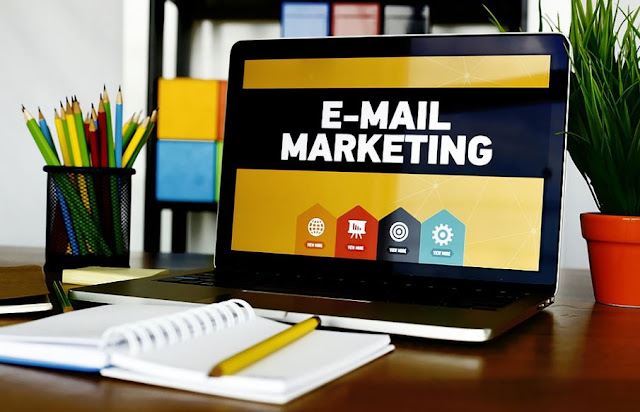
Whether you are just creating your first email marketing campaign, or you have used them in the past, it is always wise to look for ways to streamline your efforts. Any time you can streamline a process, you will be saving time, money, and resources, all which helps the bottom line of the company. Of course, being aware of the benefits of streamlining your email marketing campaign, and then figuring out the best way to go about it, are two totally different things.
Use Tech Tools To Your Advantage
One of the most effective tips out there for streamlining your email marketing campaign is to take advantage of the tech tools that exist today. Take for example the email plugin available in the WP plugins store.
The idea is that rather than juggling a number of different tools and services, you have everything you need at your fingertips in one handy location.
Learn About The Benefits Of Templates
Another tip is to start familiarizing yourself with the benefits of templates. Rather than write you an email from scratch, and then deal with formatting each and every time, it just makes good sense to create a basic template you can save. Once you have got the email template created, all you need to do is plug in the details for each campaign.
Depending on the software marketing solution you are using, you may also be able to save multiple templates. Some even come pre-loaded with templates that you can use and customize.
Build Your Own Email List
While this may not sound like a tip that is going to save you time and money, in the long-run it is much better to build your own email list. The problem is that when you purchase lists from third parties, there is bound to be a large chunk that will never get delivered. Rather than trust in another person's list, it makes good business sense to build your own high-quality and reliable list of contacts.
This is also a great way to ensure that your emails don’t end up in someone’s email spam folder. If you have gone to the trouble to make the leads and contacts through your company, then those people have consented to receiving emails from the business. They won’t see it as spam.
Start Getting Better Results By Streamlining Processes
By taking these tips into consideration and looking for ways to streamline your email marketing campaign, you will not only manage to save time, resources, and money, but you will also start to realize more impactful results from your efforts over time.
3 Ways To Grow Your Online Business

Building a bold online business isn't a piece of cake. There are 3 simple things you can do immediately to get your (online) income off the ground in the next 30 days. If you have something going already, that is nice! Do these 3 things anyway and ASAP to grow your business even bigger and get back a whole lot of free time.
1. Pay Yourself First
I think originally this idea comes from the personal finance world, where you’re told, basically, "before you do anything else with your money, put aside 10% somewhere". I don’t know. What I do know is that there’s something way more valuable than money because there’s a finite supply of it. It is time. Each and every one of us, rich or poor, healthy or sick, young or old, only get 24 hours every day - and a lot of that time is spoken for already. Sleep, work, family commitments, and so on. It is no wonder, then, that most people’s biggest problem when it comes to starting and running a successful online business isn’t inspiration or even motivation. It is spending actual time to do things you need to do as an entrepreneur. There are a ton of them in any business model, and they all need to get done. This is why you have to treat your time just like money.
2. Focus On One Thing
There’s this brilliant book by Gary Keller named The ONE Thing, which takes the well-known idea that you should focus on something and get it done (and, it better be something that moves you closer to your goals)… And explains it brilliantly in a way that sticks. (By the way, that’s a lesson well worth learning - if you take a simple insight that everyone kind of knows and are able to explain it in a way that sticks, you are going to do very well.)
3. Build Your Email List Immediately
No matter what your specific business model is, if you don’t have an audience of people that you can reach whenever you want - and who love hearing from you - I would go as far as say you don’t have a business. For me, the best possible audience a business can have comes in a form of an email list. I treat it like gold and never compromise on the quality of my emails or anything. (Notice how most of what I send is WAY longer than what most people are sending?)
Keep Going And Growing Your Online Business
In summary, to grow your business online you must make sure to:
1) you have to pay yourself first,
2) do one thing that matters, and
3) build your email marketing list now!
You now have your work cut out for you. We hope this will help your online business growth!
Effective Communication Channels: SMS vs Email Marketing

Key Takeaways:
- Insight into the effectiveness of SMS and email as marketing channels.
- Considerations on open rates, personalization, and engagement in marketing communications.
- Understanding of legal and cost implications for both SMS and email marketing strategies.
Table of Contents:
- Introduction to Digital Marketing Tools
- The Basics of SMS Marketing
- The Role of Email in Modern Marketing Tactics
- Personalization and Customization in Messaging
- Customer Engagement Levels: SMS Versus Email
- Integration into Overall Marketing Strategies
- Analyzing Cost-Effectiveness and ROI
Introduction to Digital Marketing Tools
Navigating through the switching currents of marketing mediums, one can't help but stand in awe at how rapid technological innovation has sculpted what we know today as digital marketing. Like artisans refining their craft, marketers have increasingly turned to sophisticated communication channels such as SMS and email to disseminate their brand's ethos, deals, and more. Within this thriving digital landscape, the comparison of sms vs email marketing takes root, offering pivotal insights into the mechanics and efficacies of each mode of communication.
The chasm separating traditional advertising from its modern counterpart is sizable, yet marketers can bridge this divide by utilizing the channels above. While SMS and email marketing have shown substantial prowess in reaching audiences and initiating dialogues, it's fundamental to dine from the array of digital marketing tools with a discerning palate, ensuring that strategies merge to form a larger picture of audience engagement and brand association.
A well-rounded digital marketing strategy doesn't isolate instruments in its orchestra; instead, it harmonizes tools like SMS and email to play a symphony that resonates with the intended audience. As we unravel these tools' individual characteristics and collective might, we establish a blueprint for communication that reaches and engages audiences on a profound level.
The Basics of SMS Marketing
With 160 characters at your disposal, crafting a compelling SMS marketing message is akin to drafting a telegram with the utmost clarity and impact. The premise is simple: dispatch concise, action-oriented messages directly into the palms of your audience. SMS marketing emerges as a beacon of immediacy in this age of instant gratification, providing a gateway to customers' attention amidst their daily hustle.
The prowess of SMS lies in its unparalleled open rates, credited to the personal nature of text messaging. Penetrating the bubble of consumer routine, SMS marketing shines when delivering time-sensitive offers or urgent updates, prompting quick action from recipients. Its virtue of directness, however, should be meticulously wielded to sidestep privacy intrusions, and marketers must tread this tightrope with the balance of relevance and respect for personal space.
Despite its strengths, marketers exploring SMS must remain vigilant of its limitations. The brevity required can sometimes oversimplify complex messages, and the higher cost per message demands judicious usage. Clarity, targeting, and timing become paramount in leveraging the efficacy of SMS within a broader marketing mix, driving home actions with precision strikes rather than a barrage of information.
The Role of Email in Modern Marketing Tactics
Regarding email, marketing strategies can embrace a more narrative approach, weaving together stories that foster connections with readers. Email marketing's canvas offers the expanse for creativity, embedding visuals alongside text, accommodating attachments, and presenting opportunities to delve into topics more deeply. Emails can carry journeys within their bytes, taking consumers through funnels of education, entertainment, and persuasion.
The flexibility of email allows businesses to develop layered campaigns that build upon prior interactions, fortifying relationships over time. Email marketing cultivates customer life cycles through newsletters, promotional announcements, and trigger-based messaging, fostering brand loyalty and advocacy. It is a vessel for comprehensive content, which, when employed astutely, aligns with the consumer's desire for information and engagement at a pace they control.
Nevertheless, email inboxes have become battlegrounds where countless brands vie for attention, creating a clutter that challenges marketers. Emails must rise above the noise, offering substantive value that compels subscribers to pause and engage. Crafting compelling subject lines, optimizing send times, and segmenting audiences are strategies to boost email open rates, where each increment can significantly elevate campaign success.
Personalization and Customization in Messaging
Within the bustling marketplace of digital chatter, personalization and customization in messaging are the threads that weave deeper connections between brands and individuals. SMS and email marketing can deploy a treasure trove of data science to tailor messages that resonate on a personal level, dialing into individual preferences, purchase history, and even life events to deliver content that feels one-to-one.
This strategic tailoring fosters a sense of consideration and intimacy with the audience, helping messages to stand out amid the deluge of generic communications. Utilized effectively, personalization enhances the perceived value of SMS and email messages, encouraging higher interaction and conversion rates. Marketers have seen a substantial uplift in campaign performance when careful segmentation and targeted content align closely with the recipient's profile and interests.
Real-world examples showcase how local events or exclusive promotions that leverage personal information (while respecting privacy) can trigger positive responses and loyalty. For instance, a personalized SMS reminding customers of an abandoned cart or an email detailing new additions tailored to past purchases can turn an otherwise passive observer into an active participant in the commerce narrative.
Customer Engagement Levels: SMS Versus Email
Diving deeper into customer engagement, it's clear that the distinct qualities of SMS and email each hold the power to engage customers in ways that play to their strengths. SMS shines in catalyzing prompt decision-making and swift actions with its urgency and presence on a device that rarely leaves customers' hands. Email engagement, while more contemplative, offers a breadth of content ripe for exploration, deepening the customer's relationship with a brand over time. The measurement of such engagement cannot solely reside in the realm of open and click-through rates. Authentic engagement reflects how customers interact with a brand's narrative and perceive its value proposition.
The complexity of the customer journey means that a synergy of SMS and email can often serve as a springboard for engagement, with SMS acting as a nudge for immediate focus and email as a long-form conversation starter. Together, they act as a formidable duo, reaching customers on multiple levels and catering to various stages of the engagement cycle.
Integration into Overall Marketing Strategies
The integration of SMS and email should not occur in silos; instead, these channels must be woven into the tapestry of more extensive marketing campaigns to drive a cohesive narrative. Multi-channel strategies are most successful when they address the customer's holistic experience, allowing seamless transitions from one touchpoint to the next. The goal is to create an orchestrated flow of communication that enhances customer experiences and reinforces brand messages.
Achieving this level of integration requires in-depth knowledge of each channel's nuances and a clear understanding of how they can complement each other. For example, an initial SMS alert can pique interest, prompting a customer to seek more detailed information via a follow-up email. This dovetailing approach can amplify the strengths of each channel, leading to a more profound impact on brand recall and customer action.
In practice, marketers must remain agile, using analytics and feedback to fine-tune the blend of SMS and email communications. Adaptation and iteration are the names of the game, with data-driven decisions fostering the optimization of timing, messaging, and frequency to create a well-orchestrated marketing symphony.
Analyzing Cost-Effectiveness and ROI
Examining the financial prudence of SMS and email marketing campaigns requires a granular look at their respective cost structures and the tangible returns they deliver. While SMS typically incurs higher costs per message, its conversion-driving immediacy can offset the investment when effectively executed. In contrast, email marketing boasts a low-cost outreach with an expansive reach that can nurture leads over an extended period.
The return on investment (ROI) becomes the beacon by which the success of these channels is measured. The direct returns of immediate sales and the indirect benefits, such as brand awareness and customer retention, must be factored into ROI calculations. Analytical rigor is indispensable in dissecting the performance of campaigns, quantifying their contributions, and guiding the ongoing allocation of marketing resources.
Strategists charting the course for marketing efforts should regularly revisit budget allocations and the mix of channels, ensuring each campaign attains the optimal balance of reach, engagement, and expenditure. Now A/B testing, analytics, and customer feedback loops are instrumental in honing this balance, allowing businesses to maximize their marketing impact while maintaining fiscal responsibility.
The Psychology Of Email Signatures: Why Quotes Matter

Effective Marketing Plan For The Whisky Industry
4 Email Marketing Tips To Promote Your Open House
3 Best Keap Alternatives For Marketing Automation

The Importance Of Effective Marketing For 2021 Startups