Showing posts with label Investing. Show all posts

PM Strategies Losing Investor Confidence – What Caused Recent Outflows?

portfolio management strategies losing investor confidence outflows

Portfolio Management Services (PMS) have long been a preferred choice for wealthy investors in India. With customised strategies, personalised attention, and potential for higher returns than mutual funds, PMS once stood out as the “personal chef” of wealth management. 

Yet, despite their premium positioning, the past few quarters have seen significant investor outflows from PMS strategies. What went wrong? Why are investors pulling back from what was once a high-growth investment segment? 

In this blog, we explore the underlying causes of this dip in investor confidence, how portfolio management companies in India are responding, and what this means for investors. 

Understanding PMS And Its Appeal 

Unlike mutual funds where money is pooled, PMS provides each investor with a dedicated portfolio tailored to their risk appetite and goals. Some key features that made PMS attractive include: 

● Customisation: Investment plans aligned with individual goals. 

● Transparency: Direct ownership of stocks and securities. 

● Potential for Higher Returns: Managers can take concentrated positions. 

● Prestige Factor: Long considered an HNI-exclusive product. 

However, as markets evolve and investor awareness increases, these strengths are now being re-examined. 

Recent Outflows From PMS – The Numbers 

According to SEBI’s 2023–24 data, PMS assets under management (AUM) touched an all-time high of over ₹32 lakh crore. Yet, inflows have been uneven. 

● Client numbers have stagnated, failing to recover fully post-COVID. 

● Quarterly data shows selective outflows in strategies that underperformed benchmarks. 

● PMS companies with aggressive bets in mid- and small-caps saw sharper redemptions compared to conservative strategies. 

This suggests that while PMS remains a large industry, investor faith in certain strategies has weakened. 

What Is Driving The Loss Of Confidence? 

1. Performance Gaps vs Benchmarks 

Several PMS funds failed to beat indices consistently. While top performers delivered alpha, many lagged behind mutual funds, creating dissatisfaction. 

2. High Costs and Fee Structures 

PMS fees typically include management fees (1.5–2.5%) and profit-sharing. In a low- return environment, these costs erode investor gains, leading to comparisons with lower-cost mutual funds. 

3. Market Volatility 

The sharp swings in 2022–24, especially in mid-cap and small-cap segments, exposed PMS strategies with concentrated bets. Investors preferring stability began moving towards safer instruments in 2025 or 2026. 

4. Transparency And Reporting Concerns 

Despite SEBI’s regulations, investors feel reporting in PMS is less frequent and harder to interpret than in mutual funds. This lack of clarity impacts trust. 

5. Rising Competition From Alternatives 

Products like AIFs (Alternative Investment Funds), passive ETFs, and even global investing platforms have attracted HNIs seeking diversification. 

The Bigger Picture – Shifting Investor Behaviour 

Investor psychology has evolved. Earlier, PMS appealed to those chasing exclusivity and higher alpha. Today, investors are more cautious, preferring: 

● Cost-efficiency over prestige. 
● Liquidity and transparency over concentrated high-risk bets. 
● Diversification across asset classes. 

This behavioural shift is a big reason for recent PMS outflows. 

How Portfolio Management Companies In India Are Responding 

Leading PMS providers are: 

● Tweaking strategies towards more balanced allocations instead of extreme bets. 
● Lowering fee structures or offering performance-linked models. 
● Enhancing digital dashboards for transparency. 
● Diversifying offerings by launching hybrid PMS-AIF models. 

However, rebuilding trust will take time and consistent performance. 

The Dezerv Perspective 

At Dezerv, we believe investor trust is built on: 

● Transparency: Simple, jargon-free reporting. 
● Evidence-based strategies: Focus on risk-adjusted returns rather than chasing headlines. 
● Access: Helping investors understand the trade-offs of PMS versus mutual funds or AIFs. 

By keeping client-first principles at the core, portfolio management can still play a valuable role in a high net-worth investor’s wealth journey. 

Frequently Asked Questions (FAQ) 

Q1. Why are investors pulling out of PMS now? 

Outflows are driven by underperformance of certain strategies, high costs, and a shift in investor preference towards more transparent and cost-effective products. 

Q2. Is PMS still better than mutual funds? 

Not always. While PMS offers customisation and flexibility, mutual funds often outperform after adjusting for costs. The right choice depends on your portfolio size, risk appetite, and goals. 

Q3. What is the minimum investment in PMS? 

In India, the SEBI-mandated minimum is ₹50 lakh. Q4. Are PMS fees justified? Fees can be worthwhile if a PMS consistently beats benchmarks net of costs. However, many investors are questioning whether this value is being delivered. 

Q5. Should I consider PMS in 2025? 

Yes, if you have a significant corpus, a high-risk appetite, and prefer personalised strategies. Otherwise, diversified mutual funds or AIFs might be more efficient. 

Conclusion 

The recent outflows from PMS highlight a trust and performance gap. While portfolio management companies in India are adapting, investors are demanding more value for the high fees charged. 

For investors, the key takeaway is this: Evaluate PMS not by prestige, but by alignment with your goals, costs, and risk tolerance. 

At Dezerv, our approach is to help you cut through the noise, focus on evidence, and craft strategies that protect and grow your wealth sustainably.

Managing Money Smarter During Periods Of Uncertainty And Change

managing money smarter periods of uncertainty

In today's ever-changing economic landscape, it is more important than ever to be proactive about managing your finances. During periods of uncertainty and change, such as economic downturns or personal financial crises, having a robust financial plan in place can be crucial. One way to bridge the gap during these challenging times can sometimes involve accessing quick financial support, such as a cashfloat same day loan. This doesn't mean relying completely on loans, but rather understanding how to use them wisely in conjunction with other strategies to maintain financial health. 

Effective money management during uncertain times starts with a deep understanding of your financial situation. Start by tracking your income and expenses meticulously. This will help you identify areas where you can cut back or adjust spending to accommodate changing financial needs. Tools like budgeting apps or even simple spreadsheets can provide a clear picture of your financial health and help you make informed decisions. 

Another key aspect of managing money during uncertain times is to establish an emergency fund. Having savings that you can dip into when times are tough can alleviate a lot of stress. Ideally, aim to save three to six months' worth of expenses as a safety net. This may seem daunting, but starting small and contributing regularly can help build this fund over time. Even small deposits can make a substantial difference in the long run. 

Debt management is also crucial during uncertain times. Prioritise paying off high- interest debts first, as these can quickly grow unmanageable during economic instability. Consider consulting with a financial advisor or using online resources to help create a debt repayment plan that fits your current financial situation. Additionally, communicating with creditors to discuss potential deferment options or payment plans can provide temporary relief. 

Investing in yourself can be one of the smartest money management strategies during periods of change. This might mean learning new skills or improving current ones, which could lead to better job security or new employment opportunities. There are plenty of affordable or even free educational resources online that can help you become more marketable in your career field. 

Monitor your financial progress regularly to ensure that adjustments are made as necessary. Financial planning is not a set-it-and-forget-it task; it requires regular review and adaptation to the changing circumstances. By staying informed about economic trends and understanding how they affect you personally, you can take proactive steps to safeguard your finances. 

Finally, do not underestimate the power of a support network. Sharing experiences and strategies with friends or family can provide new insights and suggestions for managing your finances effectively. Additionally, consider seeking advice from financial professionals who can offer personalised guidance tailored to your unique situation. 

In conclusion, managing your finances smartly during periods of uncertainty involves a combination of understanding your current financial picture, building a robust emergency fund, managing debt effectively, investing in personal development, and continually monitoring and adjusting your financial strategies. By following these steps, individuals can navigate uncertain times with greater confidence and stability.

5 Strategic Benefits Of Professional Investment Advisory Services

strategic benefits professional investment advisory services

Navigating Market Complexity With Advisory Expertise 

Modern markets are a battlefield marked by volatility and shifting paradigms. Geopolitical events, fluctuating interest rate cycles, and sector rotations continually rewrite the script in unpredictable ways. For investors without specialized insight, this can mean walking a tightrope without a net. Consider this: The CBOE Volatility Index (VIX) surged over 43% in a single month during 2022, underscoring the chaotic nature of today’s investing climate. In such an environment, relying on guesswork or gut feelings is both reckless and futile. Professional investment advisory services provide not only a navigator but also a strategist who understands the game’s unwritten rules. Expertise isn’t optional—it is your defense mechanism. 

Implementing Risk Management In Investment Advisory 

Risk isn’t a number; it is a living, breathing force that evolves with every market tremor. Leading advisors don’t just define risk—they model it, dissect it, and pressure-test it. Tools like Monte Carlo simulations and scenario analysis expose portfolio weak points before real-world crises emerge. Tactical drawdown controls ensure shocks are dampened and recoveries are swift. “Risk management in advisory processes” isn’t just jargon; it is a disciplined, measurable practice. The difference between surviving and thriving often boils down to these preemptive measures. Without them, investors are flying blind in a storm. Professional advisors make risk a weapon, not a weakness. 

Tailored Portfolio Design By Financial Advisers 

Cookie-cutter allocations? Leave those to dime-a-dozen robo-advisors. A truly bespoke portfolio aligns with your goals, your timeline, your life. Top-tier advisors recalibrate your exposure across equities, fixed income, alternatives, and even untapped geographies. Diversification isn’t just smart—it is mandatory. Imagine this: A 60-year-old client shifts from growth-heavy tech equities toward a balanced blend of municipal bonds and dividend-paying blue chips to fund a comfortable retirement. That is the power of tailored rebalancing. It is not about chasing returns; it is about engineering financial outcomes. Advisors craft portfolios as surgeons wield scalpels—precise, deliberate, and client-specific. 

Tax-Efficient Allocation Within Advisory Frameworks 

Investing doesn’t exist in a vacuum. Taxes, often ignored by amateurs, have the power to erode gains with ruthless efficiency. Professional advisors integrate tax-saving strategies directly into portfolio design. Tactics like tax-loss harvesting, municipal bond ladders, or leveraging charitable giving vehicles aren’t just financial minutiae—they are foundational pillars. Did you know a well-executed tax-efficient strategy could save up to 1-2% in annual portfolio drag? That is the difference between compounding wealth and running in place. Ignoring tax implications in your investments is like pouring water into a bucket riddled with holes. Advisors ensure your wealth is built, not bled. 

Behavioral Insights For Advisory Relationships 

You are your own worst enemy when it comes to investing. Recency bias, loss aversion, overconfidence—the list of cognitive traps is endless. This is where experienced advisors serve as both guides and guardrails. They don’t just manage portfolios; they manage reactions. Rational decision-making and disciplined rebalancing schedules become the antidote to emotional investing. Quarterly performance workshops or personal financial reviews? Not just useful, but essential to keep clients focused on long-term goals. Human emotion is predictable. Advisors know it, plan for it, and neutralize it. Left unchecked, your biases could sabotage decades of progress. 

Leveraging Advisory Tech In Wealth Planning 

Technology is reshaping the advisory landscape, and the best advisors embrace it as an ally. With AI, big-data analytics, and interactive dashboards, clients gain unprecedented insights. Scenario testing, real-time portfolio monitoring, and automated alerts bridge the gap between decision-making and execution. Consider hybrid robo-advisor integrations—pairing digital precision with human expertise. This is innovation with purpose, not gimmickry. In a world driven by algorithms, professional advisors harness tech to empower, not replace. The result? Efficiency, clarity, and foresight rolled into one seamless advisory experience. 

Streamlining Collaboration Within Advisory Teams 

Clarity in communication. Proactive engagement. These aren’t just buzzwords; they are the backbone of successful advisory relationships. Best-in-class teams leverage regular video calls, standardized reporting templates, and shared goal-tracking tools to ensure every stakeholder stays informed and aligned. To explore tailored solutions, connect with investment advisors today. Transparency isn’t a secondary consideration. It creates trust, which is the bedrock of long-term success. The right advisors aren’t just collaborators; they are your financial co-pilots working with you, not in silos. 

Charting The Next Steps In Your Investment Advisory Journey 

Where do you go from here? Start with these three actionable steps: 

- Schedule a comprehensive review of your current risk profile. 
- Request a demo of advisory technology tools for better portfolio insights. 
- Evaluate your tax-planning impact alongside your financial goals. 

Compare your current setup to these strategies. If gaps or inefficiencies exist, why accept anything less than excellence? The smartest move forward begins with a single decision to demand better. Will you?

Hedging vs. Speculating Traders Dilemma

hedging vs speculating trader dilemma hedge investing

The financial markets are dynamic, unpredictable, and full of opportunities for traders seeking to profit from price movements. However, navigating the complexities of these markets requires a deep understanding of various trading strategies. 

Among the most fundamental and often debated approaches are hedging and speculating. While they both involve making decisions based on market trends and future price movements, their purposes, risk profiles, and outcomes are vastly different. 

Understanding these differences is essential for any trader looking to make informed decisions and manage their risk exposure, whether they own individual stocks or ETFs such as those from VegaShares

Defining Hedging 

Hedging is a risk management strategy employed to protect an investor or a business from adverse price movements in an asset or liability. Essentially, it acts as an insurance policy for traders who wish to safeguard their investments from market volatility. The primary objective of hedging is not to profit from market fluctuations but to mitigate potential losses that could arise from unfavorable price movements you can monitor on Dividend Vision website

The concept of hedging has been around for centuries, particularly in industries where price volatility can dramatically impact profit margins, such as agriculture, energy, and finance. For example, a farmer may hedge against the potential decline in crop prices by using futures contracts. If the price of crops falls, the farmer's futures contract ensures they can still sell their produce at a predetermined price, protecting them from the financial loss caused by the price drop. 

Hedging techniques generally involve the use of financial instruments such as options, futures, and forward contracts. These instruments allow traders to take positions that offset the potential losses in the underlying asset. For instance, an investor holding a large stock position might buy put options on that stock as a way to hedge against a potential decline in its price. In doing so, if the stock's price falls, the value of the put option increases, offsetting the loss in the stock’s value. Read this content for more information. 

Defining Speculation 

Speculation, on the other hand, is the act of buying or selling financial instruments with the expectation of profiting from future price movements. Unlike hedging, which is focused on risk reduction, speculation is driven by the desire for high returns through capitalizing on price volatility. Speculators actively seek out opportunities where they can predict price movements and take positions that will generate profit. 

Speculation is not a new phenomenon in the financial world. Traders have been speculating on everything from commodities to stocks for centuries. In modern financial markets, speculation is often associated with high-risk, high-reward trading strategies, such as day trading, forex trading, and cryptocurrency investments. Speculators rely heavily on technical analysis, market trends, and predictions about future price movements to make their decisions. 

The most common speculative strategies involve using leverage to amplify potential gains. For example, a speculator might purchase a large number of stock shares on margin, hoping that the stock price will rise significantly. Alternatively, a trader might use options or futures contracts to speculate on price movements without having to buy the underlying asset itself. These instruments allow speculators to take large positions with relatively small amounts of capital. 

Hedging vs. Speculating: Key Differences 

The fundamental difference between hedging and speculating lies in their approach to risk. Hedging is primarily about reducing risk, while speculating is about embracing risk in the hopes of achieving higher returns. Traders and investors must assess their risk tolerance and financial goals to determine which strategy suits them best. 

One of the most important aspects of hedging is its role in protecting against adverse market movements. When traders or businesses hedge, they are essentially saying, “I want to reduce my exposure to potential losses, even if it means sacrificing potential profits.” In contrast, speculation involves taking calculated risks, with the expectation that market movements will be favorable, thus generating returns. 

The instruments used in both strategies also differ. Hedging typically involves using options, futures, and forward contracts to create positions that offset potential losses in the underlying asset. Speculators, however, often rely on a variety of financial instruments, including stocks, forex, CFDs (Contracts for Difference), and derivatives, to make profits from price fluctuations. 

Understanding The Trader's Dilemma: Hedging vs. Speculating 

For many traders, the decision between hedging and speculating comes down to the risk- return trade-off. Hedging is a conservative strategy, offering protection against potential losses but limiting the upside potential. Speculation, on the other hand, offers the opportunity for high returns but at the cost of taking on significant risk. 

This risk-return trade-off is heavily influenced by a trader’s risk tolerance. A conservative investor might choose to hedge their positions to protect against downside risk, while a more aggressive trader might lean toward speculation, seeking to capitalize on market fluctuations. The dilemma lies in balancing these competing desires: the need for stability versus the desire for potential reward. 

Conclusion 

Hedging and speculating are two distinct strategies with unique purposes and outcomes. While hedging is focused on risk reduction and stability, speculation embraces risk in pursuit of higher returns. Both approaches have their advantages and disadvantages, and the choice between them depends largely on a trader’s risk tolerance, investment goals, and market knowledge. 

Understanding the differences between these strategies and carefully considering your personal financial situation will allow you to make more informed decisions and navigate the complexities of the financial markets with greater confidence.

The Ripple SEC Dispute And Its Effect On Crypto Markets

ripple sec impact cryptocurrency markets xrp

The cryptocurrency market has been shaped by innovation, growth, and regulation. However, disputes between regulatory bodies and digital asset companies have also influenced its evolution. One of the most notable cases in recent years is the legal battle between a prominent blockchain firm, Ripple, and the United States Securities and Exchange Commission (SEC). Understanding its implications is essential for both XRP investors and crypto coin industry stakeholders. 

The Background Of The Crypto Case 

The Ripple vs SEC case centers on the question of whether certain digital tokens should be classified as securities. The SEC alleged that the company behind the token conducted an unregistered securities offering by selling these digital assets to institutional and retail investors. However, the blockchain firm argued that the $XRP tokens are not securities but function as a medium of exchange. This legal battle began five years ago and quickly became a focal point for discussions around cryptocurrency regulation. 

Key Arguments From Both Sides 

On one side, the SEC maintains that the company failed to register its offerings, thereby violating securities laws. They argue that the firm raised billions of dollars through sales that should have been regulated. Conversely, the blockchain company insists that the tokens are utility assets designed for use within their ecosystem. They argue that these assets do not meet the criteria for securities under existing legal frameworks. 

The Impact On Global Cryptocurrency Markets 

The case has created uncertainty in the crypto world, influencing both market sentiment and regulatory approaches worldwide. Following the lawsuit's announcement, the token in question experienced significant volatility. This case also caused some exchanges to delist the token, limiting its accessibility for traders and investors. 

Globally, the dispute has sparked discussions about how digital assets should be categorized and governed. Countries are closely observing this legal battle to guide their own regulatory frameworks. This has led to greater scrutiny of digital assets, with some jurisdictions adopting stricter rules. Meanwhile, others explore more innovative approaches to regulation. 

Broader Implications For Blockchain Innovation 

The ongoing legal dispute extends beyond this single case, potentially shaping the future of blockchain technology. Clear regulations can provide businesses with the certainty they need to innovate and expand. However, overly restrictive policies could stifle growth and discourage companies from developing within certain regions. 

For the broader crypto ecosystem, the case underscores the importance of aligning with compliance requirements while pushing for regulatory clarity. Industry participants are advocating for rules that balance investor protection with the need to foster technological advancement. This balance is crucial for sustaining innovation in a competitive global market. 

Lessons For The Crypto Community 

The dispute serves as a reminder of the importance of regulatory compliance in the cryptocurrency industry. Companies entering the digital asset space must navigate complex legal frameworks to avoid similar conflicts. Collaborating with regulators, maintaining transparency, and adhering to local laws can reduce the risk of legal challenges. 

For investors, the case highlights the need for due diligence when engaging with digital assets. Knowing the legal status and risks associated with tokens can help individuals make more informed decisions. By staying updated on developments in regulation, the crypto community can better prepare for potential changes and opportunities. 

The Ripple vs SEC dispute has become a landmark legal battle with far-reaching implications for the cryptocurrency sector. Its outcome will influence how digital assets are regulated, traded, and utilized worldwide. The case could pave the way for clearer regulations and shape the direction of the industry in years to come.

Futures Trading 101: Understanding The Basics

futures trading tips

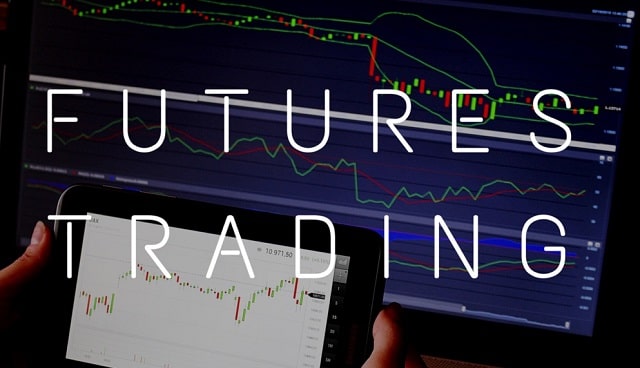
Futures trading is a derivatives market that allows traders to speculate on the future direction of an asset's price, such as commodities, currencies, or stocks. It is similar to day trading but requires more focus and discipline due to its longer-term nature. Before getting involved in futures trading, it is essential to understand the basics of how these markets work. 

Basics Of Futures Trading 

Leverage refers to using borrowed money from a broker or other third party to increase your buying power. For example, if you invested $10,000 into a futures contract and used the leverage of 10:1 (which means borrowing ten times more than the amount initially invested), your total buying power would be $100,000. Leverage can increase profits substantially, but it also increases risk accordingly. Therefore, traders should understand the concept of leverage and use it responsibly. 

Another critical point to understand about futures trading is that there is no central exchange for these markets, meaning traders must transact on multiple exchanges to get the best prices. It can add complexity to the process as different exchanges may have different fees and margin requirements, which affects how much money a trader needs to put down to enter a position. As such, traders should look into how much capital they need for each trade before executing any transactions to minimise losses due to miscalculations or unforeseen price movements. 

Using a broker when trading futures is advised for most traders, as brokers like Saxo can provide access to multiple exchanges and offer advice on managing trades. However, these services typically come with a fee, so it is essential to research different brokers to find the best service that fits your needs. 

In addition to understanding the concept of leverage and knowing how much capital is required for each trade, traders should also pay close attention to margin requirements. Margin refers to the amount of money that must be maintained in an account as collateral for a given position. 

When a trader's account falls below the minimum margin requirement, they may face a "margin call" from their broker requiring them to immediately deposit additional funds or liquidate all their positions. As such, traders must understand their brokerage's margin requirements before entering trades. 

Traders must understand the various futures contracts available in these markets. Several types include mini contracts, quarterly contracts, and commodity futures. Mini-contracts are a minor type of contract and are typically used for smaller investments. Quarterly contracts have longer expiration dates and are more volatile than mini contracts. 

Commodity futures refer to index-based contracts that track the price of a larger basket of commodities like gold or oil. Each contract type has its advantages and disadvantages. Thus traders should research what suits their investment goals before entering any trades. 

What Are The Risks? 

Futures trading in Singapore can be a lucrative investment opportunity, but it is essential to understand the risks involved before diving in headfirst. As mentioned, leverage can increase profits substantially but also increases risk accordingly. If the price of an asset moves in the opposite direction of a trader's position, the losses can quickly add up and exceed the initial investment. 

Furthermore, suppose a trader's account falls below their broker's margin requirements. In that case, they may face a "margin call" from their broker and be required to liquidate their positions or deposit additional funds to maintain their positions. 

In addition to leverage-related risks, counterparty risk is associated with futures trading due to its OTC (over-the-counter) nature. In other words, when traders enter into trades with brokers or other third parties, they are taking on the risk that these counterparties will not fulfill their end of the contract or default on payments if applicable. It is, therefore, important for traders to research and vet potential counterparties before entering into any agreements. 

Traders should remember that market liquidity can dry up during volatile periods, which may lead to wide bid-ask spreads and significant slippage when entering/exiting trades. This volatility can cause large price movements, resulting in significant losses if not managed properly. For this reason, traders need to keep an eye on market conditions and adjust strategies accordingly based on changes in market conditions. 

Conclusion 

Understanding the basics of futures trading is essential for anyone looking to enter this market as an investor or trader. Key concepts such as leverage, margin requirements, and different types of contracts should all be studied in depth before executing any transactions. With proper preparation and a sound strategy, futures trading can be profitable.

Cryptocurrency Trading For Beginners: Why Trade Crypto?

cryptocurrency trading beginner tips why trade crypto newbie advice

Cryptocurrency has become the hot topic of the last decade thanks to new blockchain technology and exponential expansion. From buying crypto to investing in them through various exchanges, people are slowly becoming more and more invested in this new market. 

There is a variety of them to choose from, like Bitcoin, Ethereum, Litecoin, and several other new and old tokens. This has opened some major paths for people to invest, diversify the portfolio and pick some gains on the way. 

However, decentralized digital currency is still a topic that many are not fully informed on. Many are still confused about cryptocurrencies, their working, and how they can be traded. Also, trading of any type holds significant risk, and crypto trading is no different. This is the reason why one should read, understand, study and do diligent research on cryptocurrency before dunking their feet in the trading market. 

Below we will provide you with a guide about what is cryptocurrency trading, its benefits, some beginner-friendly tips, and finding the best crypto trading platforms or exchanges. 

All About Cryptocurrency Trading 

When it comes to trading crypto as a beginner, the basic idea is to speculate the value of the token or the commodity. One will buy and sell the token based on the speculation of whether the price will fall or rise. In crypto trading too, one will get to buy the tokens and sell them to speculate gain and lose. This trading is done through exchanges that are platforms where one will open an account to buy and sell cryptocurrencies here. 

Now, crypto trading is one of two types in a general sense. One of them is direct crypto trading, where the trader will buy the asset, store them in their crypto wallet, and then sell them as and when needed. In this scenario, the trader will own the cryptocurrency tokens that are bought. 

In another type of crypto trading, one will trade CFD’s that is, one will trade derivatives and will not actually have the ownership of the assets. One will speculation the movement of the price, like will short or sell if the price is going to dip or will long or buy if the price will hike. 

Why Trade Cryptocurrency? 

Several reasons make cryptocurrency trading profitable and thus attractive to young traders. Some of the reasons for crypto trading are as follows: 

- 24-Hour Market 

Crypto trading market runs for 24 hours a day and for 7 days a week. This means one can trade at any time of the day without any time of day restriction. 

- Volatility 

For those who like to speculate and look forward to some bug intraday movements in the price of tokens should opt for crypto trading. The market is volatile, and thus the price movements can be quite major, which can help make some big gains. 

- Short And Long Trading 

When one is trading CFDs, one can speculate the price movements without owning the asset. This one can go long and short both to take advantage of the market. This means one can profit even when the price of the cryptocurrency is falling. 

- Decentralized 

Many people are against the government ruling on the economy and how that affects the trading market. But, with cryptocurrency trading, one will not have to worry about that. 

- Not Tied To Normal Inflation 

This comes hand in hand with the fact that the cryptocurrency market is decentralized. There is no regulating body controlling the market movements of crypto. This along with the fact that most cryptocurrencies are fixed in number means the value will not depreciate. 

- Fast And Low-Cost Transactions 

Lastly, crypto trading transactions are fast as there is no waiting period. One can easily make transactions at any point in time. Also, if one finds a reliable platform, then it is easy to make sure that the transactions costs are minimal for the trader. 

Tips For Beginner Crypto Trading 

When one thinks of trading cryptocurrency or mining for Bitcoin, there are several things that one might think of. It is easy to get overwhelmed, specifically if one is a new trader and has no prior experience in crypto trading. 

Here are some tips that every beginner cryptocurrencies trader should keep in mind: 

- Study The Crypto And Overall Financial Market 

The very first thing to do is learn about crypto assets and how they are faring in the market. Study the past and present trends and find out what experts are saying about future movements. 

- Do Not Rush Into Trades

It is very easy to get influenced by the fear of missing out on sentiment when trading. As a beginner, one should be aware of the risks and should take steps slowly, and should not go by the trends. 

- Have A Purpose 

It is foolish to not have an objective or purpose before one starts trading. Many tend to have the objective of scalping, while others want to day trade. Regardless of what the choice is, one should study and inform oneself about the trading strategies and how they can align with one's aim. 

- Manage Risks 

One of the most significant parts of trading is mitigating the risks that cryptocurrency has. One should understand the risks of each crypto coin and what all the potential factors are that affect their price movements. Make sure not to go after bulk profits and instead trade in a more diversified way to keep the profits and losses spread out. 

- Check Market Cap 

One of the first things that a trader check is the cost of the crypto. This aligns with affordability, as everybody wants to buy cheap and sell high. But, at times this can be a mistake. One should instead check the market cap. A more market cap means more chances of earning a profit. 

- Set A Limit 

Lastly, one should put a limit to their investments and their losses. Keep a limit, that when reached, one should stop or should sell. This will make sure that one does not go overboard with their finances. 

Finding The Right Cryptocurrency Trading Platform 

When choosing a platform to trade crypto and store crypto coins, it is crucial to pay attention to the quality and reliability of the exchange. Here are a few things that one should pay attention to: 

- Reputation: Check the market reputation and reviews of the traders regarding the trustworthiness of the platform. 

- The Volume Of Transactions: Check the volume of the transactions that the platform undergoes. More volume of transactions means more reliability. 

- Safety And Verification: The platform should have a strong verification system in place. Also, they should have a reliable safety protocol in place. 

- Types Of Coins: You should check is the number of coins that the platform supports. Always try to choose a platform with more cryptocurrencies, so that you can diversify their portfolio. 

- Fees: Lastly, one should check the fees and commissions the platform charges for each transaction. 

Crypto Conclusion

Crypto trading is still a new avenue for many investors. And for some, it might sound a bit difficult and risky. But, if one is well informed and careful then crypto trading can be profiting. 

Why Should You Hire A Financial Advisor?

why use financial advisor

The majority of people are aware of the necessity of saving and investing money. However, only a tiny percentage of them know how to do it properly. The majority of investors are unsure of where to put their money. They end up making poor financial choices that cost them a lot of money. A financial adviser can help you through the process and address any problems or doubts you might have regarding financial decisions. 

Whether you are nearing retirement, have concerns about your current financial path, or are just starting and living paycheck to paycheck, a financial planner may indeed be beneficial to you. A financial adviser can assist with some of the more challenging aspects of wealth management and personal finance. They can help you create a tailored retirement savings plan with a schedule, create a strategy to accomplish financial goals such as saving for significant life events, or address forex trading decisions. 

5 Reasons To Hire A Financial Advisor

1. Accountability 

Let's be honest about it. How often have you established a plan to adhere to it, only to abandon it? When you are doing anything complex by yourself, it's much simpler to lose steam or get off track. It is helpful to have an objective third-person ready to hold you responsible in any activity. Your financial situation is no exception. A dependable financial counselor may serve as the objective third party you require to keep you on track. 

2. Taking a Collective Effort Approach 

You go to the clinic when you are unwell; when your car breaks down, you contact a mechanic; and when you are building a home, you hire a contractor. Of course, you could do it yourself if you had the time and skills to study each of those vocations. On the other hand, most individuals will engage a professional to obtain the most excellent advice while saving the most time. You might do everything yourself when it comes to your financial strategy, and there is nothing wrong with that. Having an experienced view on things and the experience to figure out how to get the most out of your assets may help you take your financial plan to the next level. 

3. Devotedly Investing Time In Trading Decisions 

The experts will put their time and effort into trading and investing on your behalf. You may not have enough free time to concentrate on stock trading and monitor market indications. If you want to enhance your profits, you must devote all of your attention to the Forex market at all times of the day. When you hire a Forex adviser to handle your finances, you will be able to do so. When this comes to stock market success, there are a few things to keep in mind, investing money to engage Forex advisers is one of the most delicate decisions you can make. 

4. Investing Without The Emotions 

Advisors assist their customers in keeping a long-term perspective and a disciplined approach to investing because it stimulates emotion. The most challenging aspect of investing is adhering to the strategy through good and bad times. According to the study, the appeal of market-timing and the urge to follow success are two of the essential things. Having a good relationship with a reputable financial advisor is crucial. They should function as behavioral coaches, reminding you that the financial plan was made before you had any emotions. The most significant potential additional value a financial adviser may provide is discipline and advice. 

5. Convert "Hopes And Dreams" Into Objectives 

We all have objectives and ideal lives that we wish to pursue, but most individuals lack a step-by-step plan to assist them in realizing their dreams. A financial adviser can assist you in identifying the components that will enable you to create the life you desire. 

What are your aspirations with your investments and finances? By conversing with customers about their ambitions, We have discovered that financial advisors can assist them in making informed and educated judgments about whether or not they are on track to achieve their objectives. Financial advisors develop confidence and assist customers in taking the next step, whether it is changing employment, becoming self-employed, or determining the best time to retire, via this preparation. 

Ending Notes On First-Rate Finances 

A Financial Advisor is someone who looks after all of your financial needs, including insurance policies, savings and investment decisions, and tax methods. They maintain contact with you. This allows them to understand your current situation more clearly. Your objectives may shift depending on the circumstances. Your financial adviser can keep you up to speed on your condition and goals.

Why You Must Always Use A Stop Loss Trading

stop loss trading cut investment losses

We want to start our discussion with an event. Let us go back a little further, on October 6, 2017. On that very day, the Great Britain Pound (GBP) market value decreases to 6% against the US Dollar (USD); it was the biggest GBP collapse since 1985. Traders named this event the GBP Flash Crash. 

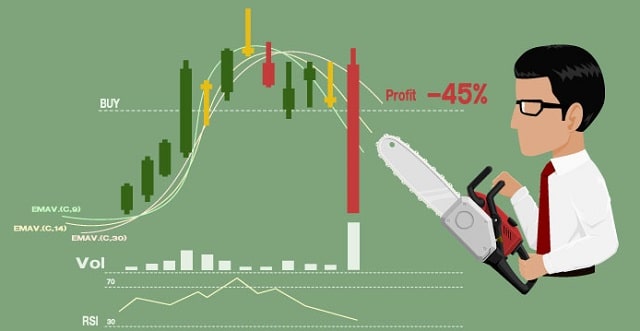
Those who set the SL have made a limited loss on that GBP flash crash day, but those who did not fix it have experienced a severe one. So now the question is, what is stop-loss in 2026? It is a kind of risk management tool for investors. Its job is to protect the trader from any unexpected event like a GBP flash crash. 

Suppose you have bought GBP, hoping that its price will go up very quickly. But unforeseen circumstances may arise anytime, so you set an SL at 2%. Now, if its value suddenly goes down a lot, you will not lose more than 2%. Because as the price drops and touches 2%, the SL will automatically sell your currency. But if you have not set it, you would face a much more significant loss. Now let us discuss why we should use Stop-Loss and its disadvantage. 

Risk Management 

SL is an essential risk management tool. It helps you to lessen your probable loss. If your currency’s value decreases to any extreme level, you need not be tensed that much. The SL has taken your responsibility to sell your currency. As a trader, you should always trade with 1-2% risk. To know more info about the risk exposure factor, you may visit the official website of Saxo. Enhance your knowledge and learn to take the trades in a structured way. 

Tension-Free Trading 

Since you have set a tolerable stop-loss level, there is no need to stress over how much the currency price has decreased. Because even if the price of the currency goes down a lot, it will be sold at the SL point you set. So, it allows you a tension-free trade. 

Pre-Sell Order 

You may not always sit before the computer or mobile screen to observe the market value movement. You need rest, sleeping or you can go to the washroom. But what if the price of the currency falls in the meantime? 

So, it is better to set an SL in advance. It works like an advanced sell order. If you order a Stop-Loss at 2%, it means that if the price goes down crossing 2%, your currency will be sold immediately by the SL. Even if the market drops due to major news release, you won’t have to take heavy loss. 

Problem Of Stop-Loss 

Stop-loss not only benefits us, but it also sometimes harms us. However, we are responsible for that loss because we might not use the SL properly. If we can use it properly, it will bring us benefits. 

Suppose you think that the market price of the dollar is now relatively low, but within the next two weeks, its value will start to rise. So, you have opened a position trade for two weeks and invested a lot. Meanwhile, for risk management, you set a Stop-Loss at 2%. 

Now think, if, after some days of opening the trade, the price goes down to 4% and starts going up again, what will Stop-Loss do? As soon as the value decreases and touches 2%, SL will sell your currencies automatically. 

But this simple price fluctuation would not affect your trade because you are aiming to hit on the second week. But since the stop-loss has already sold the currency, you have nothing but to experience a 2% loss. 

Stop Your Losses From Growing Too Large

Everybody should have vast knowledge regarding Stop-Loss as it plays a vital role in trading securities. Anyway, we should do a detailed study on Stop-Loss, use it properly, the risk to reward ratio, and calculate it. Because if you can use Stop-Loss properly in return, it will give you good feedback.

The Beginner's Guide To Understanding Trading

beginner guide understanding trading market investing

Trading seems to be everywhere these days, one can't open a web browser without promises of huge trading successes. However, as with any new venture in life, there are things to consider and keep in mind when starting up. 

The online world is fast-paced and moves with the times, the same applies to trading commodities and securities. The key is to know the basics, and know them well. Couple knowledge with a good eye for finance and analytical thinking skills, and you may have a future in trading. 

Keep in mind that each trading type comes with its very own set of rules and regulations, and while the premise may be the same, there are a myriad of things to consider beyond merely buying low and selling high. This article will introduce you to a few different options in the trading world so that you can ultimately make an informed decision in the market. 

Staying Ahead Of The Trend 

Trend is one of those words that the western world is all to familiar with, and it is defined as a general direction in which something is developing or changing. This definition rings true for trading too, namely trend trading, which is a popular form of trading that involves traders leveraging existing market trends to execute profitable trades. 

In other more understandable words, traders estimate the direction that prices are moving in, based on where they were in the past. It's a prediction above all, but can be fruitful if you are gifted with numbers, patterns and meticulous monitoring of charts and data. 

There are tools to aid in trend trading, namely a stochastic oscillator which is the most well-known tool that compares a particular closing price of a security to a range of its prices over a certain period of time, meaning that it uses a scale to measure the degree of change between prices from one closing period to predict the continuation of the current direction trend. It aims to give you information over a specific period of time so that you can deduce what the next move may be. 

However, since the market is a beast that plays by its own rules and changes at the drop of a hat, the best thing to do is combine knowledge and experience. It may take some time to become acquainted with the ins and outs of trend trading, but it is well worth putting time and effort into it if you can see yourself in this industry. 

Good As Gold 

Gold is one of those commodities that seem extra exciting, kind of like trading with kings in the olden days. The same as with trend trading, or any form of trading for that matter, you need to know the basics really well if you are planning to trade gold and aim to make a profit. 

Gold falls under the commodities trading umbrella, which refers to an economic good, in other words something of financial value and usually a resource. Commodities usually involve raw materials and not manufactured goods, for example cocoa, sugar and fruit. The other side of the coin and still under the same umbrella is hard commodities, namely things that are mined, such as gold and oil. 

A big aspect to consider in commodities trading is whether you can handle risk and enjoy the thrill of it, because some consider it a risky investment mainly due to the supply and demand of these products being affected by events that are difficult to predict, like harvesting conditions, weather, geopolitics, demand and supply, trade regulations as well as natural and human-made disasters. 

These are only a few of the possible influences that can affect prices, and gold trading also requires sound knowledge of geography, finance, inflation and many other things. Keep this in mind when you make your decision. 

A Full Day Of Trading 

To be fair, day trading sounds a little less challenging and risky than it actually is. It gives the impression of doing a hard day's work and then leaving the office happy. But this is not always the case, especially if you don't make sound decisions under extreme time pressure. 

It is human nature to try and maximize money, to let our money work for us and not the other way around. Put simply, day trading involves a trader actively buying securities, like gold or cryptocurrencies, and selling them in the course of the same day. It is essential for any future day trader to know what kind of person they are and whether they can handle the stress of purchasing goods and monitoring their fluctuation to the minute. 

It can be an exciting venture if your nervous system can take it and you have a good feeling for the market and don't mind stressful situation. Believe it or not, there are people who thrive under pressure and even need it in a way. Learn everything you can about day trading before you give it a go. A good option is also to try a free demo account so that you don't use your own money right off the bat. 

Right next to finance as a cornerstone of trading, is the knowledge of oneself. A good trader knows when to buy, when to sell and when to cut their losses. They also stay up to date on all the latest news and have a keen interest in anything economy related. Trading is not a get-rich-quick kind of activity, it's a serious business with serious risks. Take your time in learning about different trading methods and always trade responsibly.

The Rise Of Sustainable Investing In Modern Portfolios

sustainable investing benefits modern portfolio

Key Takeaways:

  • Delving into what sustainable investing means in the modern financial context.
  • Examining the driving forces bringing sustainable investing to the forefront of the financial industry.
  • A closer look at the various types of sustainable investments and how they contribute to positive change.
  • A comprehensive approach to evaluating and measuring the impact of sustainable investments.
  • The growing influence and implementation of ESG criteria in shaping investment portfolios.
  • Quantifying the performance of sustainable investments in comparison with traditional financial vehicles.
  • Real-world success stories of companies that are reaping benefits from sustainable practices.
  • Impact investing means achieving financial gains and meaningful social or environmental change.
  • Identifying and understanding the trends that are set to influence the future of sustainable investing.
  • Practical advice for those looking to embark on their sustainable investing journey.

Amidst the intricate weavings of the global financial system, sustainable investing has emerged as a lynchpin for the conscientious investor. Gone are the days when investing was solely about financial yields. Today's investors, bolstered by the expertise of Chuck Roberts of Stifel, Nicolaus & Company, are increasingly focusing on responsible investing strategies that cherish stewardship of the environment, value socio-economic equality, and uphold corporate governance for United States stocks and foreign ADR stocks.

Just as an oak tree grows from a singular acorn, the ethos of sustainable investing has blossomed from a niche idea into a colossal movement. Individuals and institutions are planting the seeds of change in their portfolios, eager to cultivate a greener, more equitable world. In doing so, they are not just participating in the market but influencing its direction toward a more ethically aware future. Integrating environmental, social, and governance (ESG) criteria into the investment process has surged, elevating sustainable investing from a fringe concept to a fundamental component of sophisticated wealth management. DEI (diversity, equity, inclusion) friendly companies could also be considered for the "social" aspect of ESG compliant investments, but that doesn't necessarily mean it is a sustainable company environmentally.

Why Sustainable Investing is Taking Center Stage

Financial markets once disregarded the broader repercussions of their activities, but the tide has shifted. Investors are drawn to sustainable investing for its economic benefits and potential to address global challenges such as climate change, resource scarcity, and social inequality. Regulatory frameworks across the globe are amping up requirements for corporate transparency and ethical behavior, thereby illuminating the path to sustainable investing. Personal values also play a significant role, with an increasing number of individuals seeking investment opportunities that align with their principles and aspirations for a more responsible society.

Types of Sustainable Investments

The terrain of sustainable investing is a verdant landscape populated by various investment opportunities. It offers a garden of choices, from securities in companies that excel in energy efficiency to green real estate ventures promoting sustainable architecture. Investors can consider community investment funds that bolster local economies or peer-to-peer lending platforms supporting small-scale green projects. Sustainable Portfolio Management Services, mutual funds, and exchange-traded funds (ETFs) also allow for diversified exposure to meticulously curated companies with robust ESG performances.

How to Evaluate Sustainable Investments

Understanding and evaluating sustainable investments require a multifaceted approach. Investors must learn to dissect a company's annual reports with a discerning eye, gauging economic health and the potential impacts of their environmental footprints and social contributions. They must also become adept at interpreting the ratings produced by specialized ESG analysis firms, which comb through data to provide assessments of a company's sustainability credentials. Transparency is the key, as it offers a gateway to an informed analysis that couples traditional financial metrics with ESG benchmarks.

The Role of ESG Criteria in Investment Decisions

The ESG criteria are a compass for navigating the investment landscape, guiding investors toward companies that conscientiously manage their impact on the world. A strong ESG proposition can serve as a bellwether for resilience and innovation within a company, acting as a proxy for management quality and forward-thinking corporate practices. Investors are increasingly mindful that sound ESG practices can lead to better risk-adjusted returns, as companies that excel in these areas demonstrate operational excellence and strategic insight.

Performance Metrics: Sustainable Versus Traditional Investments

The narrative surrounding sustainable investments has shifted dramatically, dispelling the myth that a commitment to sustainability comes at the cost of diminished returns. On the contrary, sustainable investments increasingly demonstrate their mettle, showing improved risk profiles and competitive performance over standard investment vehicles. Empirical studies substantiate this claim, proving that companies with strong ESG practices often perform better in the long run due to their adeptness at navigating environmental risks and societal expectations.

How To Begin Engaging With A Financial Professional

As sustainable investing reshapes modern portfolios, aligning your money with your values increasingly demands expert guidance. This is where Portfolio Management Services (PMS) become powerful, helping investors build ESG-focused portfolios without sacrificing returns. Rather than guessing which companies meet environmental and social standards, a PMS gives you access to research-driven selection, ongoing impact measurement, and active rebalancing handled by professionals. Skilled portfolio managers can blend green real estate, energy-efficient firms, and responsible businesses into a coherent, goal-based strategy. For investors who want their wealth to drive positive change while still growing, PMS offers the structure and stewardship sustainable investing deserves.

Case Studies: Companies Championing Sustainable Practices

Tangible evidence of the benefits of sustainable practices can be seen in the positive financial performance and improved stakeholder relations of companies that have embraced ESG principles. Companies across various industries, from consumer goods to financial services, are setting an example by driving innovation in product development, optimizing supply chains, engaging in social stewardship in their operations, reaping fiscal benefits, and reinforcing their license to operate within an increasingly ethics-focused marketplace.

Investing for Impact: Adding Value Beyond Financial Gains

While some investors prioritize the traditional path to wealth maximization, others seek to impact the world positively. Impact investing epitomizes this, with investors directing funds to endeavors to generate measurable social and environmental benefits. These investments are not acts of philanthropy but are expected to yield competitive returns while advancing the investors' values. Such intentional investments can generate groundbreaking solutions in affordable housing, renewable energy, and health services, supporting underserved communities and fostering innovation for societal good.

Future Projections: Trends to Watch in Sustainable Investing

The future of sustainable investing looks bright and bustling with potential. An expanding population of investors insists on transparency and sustainability, pushing the market towards more sustainable product offerings and investment strategies. As technology continues to enhance ESG data collection and analysis, investors will become more adept at distinguishing genuine sustainable operations from mere facades. Meanwhile, prophecies and demographic trends suggest that the demand for ESG-centric investments will only intensify, underpinned by a generational shift in values toward more significant ecological and social consciousness. The anticipation of a quadrupling of ESG assets further solidifies the role of ESG in shaping tomorrow's investment frontier.

Getting Started with Sustainable Investing

Carving a path in sustainable investing begins with introspection and education. Define what sustainability means to you and identify the issues you care about the most. Engage with financial professionals who can demystify the process and guide you through the maze of sustainable investment options. With prudence, patience, and the proper counsel, it is possible to construct a portfolio that generates financial rewards while stewarding positive change. By adopting sustainable investing, one can manifest a legacy of wealth beyond numbers—a legacy of positive, lasting impact on the planet and society.

3 Tips For Investing When Inflation Is High

investing tips during high inflation

Investing in the market can be stressful enough in good financial conditions. You have to be aware of your particular wants, needs, and risk tolerances to be comfortable with your strategy. However, when the economy is experiencing turmoil, investing can become even more stressful. Economic factors that can affect the markets include such things as unemployment rates, international economic happenings, and inflation rates. It could be the beginning of a long bear market so you need to have a smart strategy in place.

However, don't let economic fluctuations of these types completely discourage you. For example, there are companies that people can invest in that may not be as affected by high inflation as others. 

The following are a few of these investment strategy options. You can do your research and even consult an expert advisor to find more beyond these 3 inflation investing pieces of advice.

1. Durable Consumer Goods Companies

Some companies manufacture goods that people simply can't do without. Regardless of high inflation, consumers will continue to purchase toilet paper, paper towels, facial tissue, and soap. These things nearly always make it into the household budget regardless of price. In addition, companies that produce non-perishable foods such as canned goods, standard condiments, and pasta are going to be less likely to feel the effects of inflation on their bottom lines. 

Portfolio managers such as Larry Creel can assist in narrowing down the list of these companies. Expert advice comes in handy, as these professionals may have been through similar economic circumstances, and know which companies fared the best.

2. Healthcare Investment Trusts

Another item unlikely to get cut from the household budget is healthcare. While prices of medical care and procedures may raise during times of inflation, people are more likely to go ahead and spend their money on healthcare than, say, that new RV they have been eyeing. Those already undergoing treatment are not likely to discontinue treatment solely because prices go up. 

In addition, healthcare and pharmaceutical companies will likely continue research and development projects during times of inflation. This fact makes them appealing options. Investing in trusts is a good way to spread the risk of investing out among several entities. 

3. High-Quality Companies

Here again, is where the advice of an expert may come in handy. There are companies out there that have already weathered harsh economic conditions such as high inflation. Experts will recognize these companies and be able to steer you in their direction. Just because you have seen a bunch of their advertisements on TV or billboards doesn't ensure that a company is of high enough quality with which to invest during unstable times. 

Utilizing an investment advisor who has weathered these storms before can serve you well in weathering the current climate.

Final Thoughts On Inflation Investing

Uncertain economic conditions such as periods of high inflation can make investors wary. However, it is rarely a good idea in any environment to cease investing at all. Instead, do your research and consult with experts to determine the best strategy for the market as it changes during inflation, stagflation, hyperinflation, or subsequent deflation. 

While there are pitfalls to avoid in each situation, there are also options that can help you reach your long-term investment goals. Remember that investing is a marathon and not a sprint. Rome wasn't built in a day, and neither will your perfect profitable portfolio!

The Lean Startup Life Media Network Newest Blog Posts: